Hire journalists

Publishers & Broadcasters Content Marketing Teams PR & Comms Teams Risk & Intelligence Teams Find journalists Media Monitoring Pricing

For journalists

Journalism jobs Pay rates Create your free profile

About Natalija

Working in print, radio, TV and online as author, reporter, researcher, translator and fixer in Germany and Ex-Yugoslavia. Currently a freelancer for numerous German and Balkan media.

Languages
Bosnian Croatian English German Greek Serbian
Seen in
Peščanik Al Jazeera Engenderings Time Deutsche Welle Vreme Balkanist

Work 46

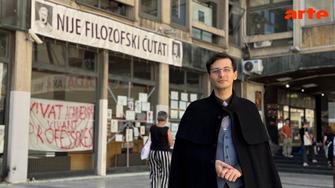
Toxic Dust in Serbia’s Copper Town

Video ARTE 10 Sep 2026 German

Bor, a Serbian town dependent on copper mining, faces concerns over heavy-metal pollution and emissions from a mine majority-owned by a Chinese company since 2018. Residents and workers criticize a lack of transparency and information about long-term health risks, while environmental engineer Snežana Šerbula has documented the mine’s effects on nature and human health. Students Lazar Milutinović and Marko Andrejević have formed an opposition movement demanding greater oversight and stricter environmental rules. Nearby, Jasna Tomić fears that the mine will force her and the Walachian community of Krivelj from their ancestral village.
Copper Mining Environmental Pollution Public Health Student Protests Democracy Displacement of Ethnic Minorities Bor, Serbia Krivelj, Serbia Serbia Student Movement in Serbia Serbian opposition movement Lazar Milutinović
Reporting styleInterpretive

The report presents critical allegations about mining pollution and institutional transparency, while largely reporting the views and experiences of its subjects.

Political contextCentre-left

Focuses on democracy, environmental protections, and the effects of mining on local communities without endorsing a party.
In Iran, Afghan refugees tell of dreams of a better life

Aljazeera 20 Apr 2023 English

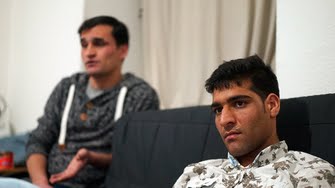
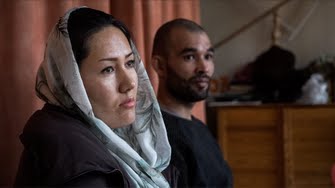
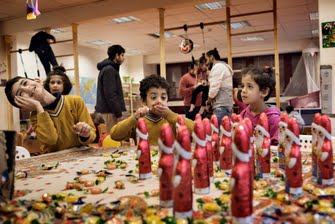
The article discusses the plight of Afghan refugees in Iran, many of whom lack basic human rights and live without proper documentation. It follows the story of Jawad Jafari and his wife Masoomi, Afghan refugees born in Iran, who faced discrimination and eventually fled to Germany. Human Rights Watch has accused Iran of maltreating Afghan refugees, including deportations and physical abuse. The article also touches on the EU's tightening asylum policies and the controversial recruitment of Afghan refugees by Iran to fight in Syria. In Germany, Afghan refugees like Jawad, Masoomi, and others continue to face uncertainty as they await decisions on their asylum applications, while dreaming of a life with human rights and opportunities.

Refugee Crisis Human Rights Asylum Policy Iran-Afghan Relations Iran Germany Afghanistan United Nations Human Rights Watch European Union UNHCR

LaGeSo: A Modern Ellis Island for Refugees in Germany

Time 5 Apr 2023 English

The article discusses the role of the Berlin Department of Health and Social Services (LaGeSo) in the lives of refugees arriving in Germany from the Middle East. LaGeSo is where refugees register and receive basic entitlements such as health care, housing, and pocket money. TIME contract photographer Yuri Kozyrev documented the refugees' journey and their final relief upon reaching Germany. The article highlights the welcoming attitude of Berliners and the efforts of volunteer organizations like Volkssolidarität. It also touches on the challenges of integrating refugees into German society, including language and cultural education. The article compares the historical significance of Ellis Island to LaGeSo as symbols of hope and welcome for refugees.

Refugee Crisis European Migration Integration of Refugees Germany Middle East Europe Berlin Department of Health and Social Services Volkssolidarität LaGeSo TIME

Plagiarism Scandals Shake Serbian Politics and Academia

Blogs 5 Apr 2023 English

The article by Natalija Miletic discusses a series of plagiarism scandals involving Serbian politicians and academics. Three politicians, including the Minister of Interior, the Mayor of Belgrade, and the President of New Belgrade, have been accused of plagiarizing their PhD dissertations. The Rector and owner of Megatrend University, Mr. Mica Jovanovic, was also implicated for falsely claiming a PhD from the London School of Economics. The scandals have highlighted issues with the integrity of Serbian higher education and the lack of institutional response to academic malpractice. Despite the allegations, there has been no significant action from universities or political parties to address the issue transparently. The article compares the situation to plagiarism cases in other countries, noting the swift responses elsewhere, and calls for a more robust institutional and political reaction in Serbia.

Plagiarism Scandals Academic Integrity Political Ethics Serbia Germany United Kingdom London School of Economics Pescanik University of Belgrade University of London Army College Megatrend

Afghan asylum seekers in Germany face deportation

Aljazeera 1 Apr 2023 English

The article discusses the plight of Afghan asylum seekers in Germany, focusing on the stories of Zabihullah Karimi and Naser Hashemi, who are facing deportation back to Afghanistan despite the life-threatening conditions there. Germany has tightened its asylum regulations and is expediting deportations, with plans to return 11,900 Afghans. The article highlights the record high civilian casualties in Afghanistan and the criticism from human rights groups and political parties like Die Linke against the German government's policies. It also touches on the EU's Dublin rules and the conditions of refugees in Greece, with advocacy by PRO ASYL for better treatment of refugees.

Asylum Policy Refugee Crisis Deportation Afghanistan Conflict Germany Afghanistan Greece Al Jazeera PRO ASYL Die Linke

Afghan refugees stranded in Serbia

Aljazeera 5 Jan 2023 English

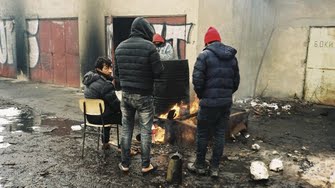
The article describes the harsh conditions faced by refugees and migrants in Belgrade, Serbia, during winter. Many are from Afghanistan and Pakistan, fleeing conflict and threats from groups like the Taliban. They live in abandoned buildings, struggling with cold weather, illness, and smoke inhalation from fires used for warmth. The UNHCR provides some assistance, but the Serbian government has banned NGOs from distributing food, blankets, and clothing to those outside official camps. The refugees aim to reach other EU countries, but closed borders and the Dublin Regulation, which allows deportation back to the first EU country they registered in, hinder their movement. Human rights organizations have reported mistreatment of refugees by Bulgarian authorities, and the Serbian government's response to the crisis is criticized as inadequate.

Refugee Crisis Migration Human Rights Serbia Bulgaria European Union United Nations UNHCR Belgrade Waterfront Belgrade Centre for Human Rights Oxfam Human Rights Watch

Concern over EU plans to send refugees back to Greece

Aljazeera 2 May 2017 English

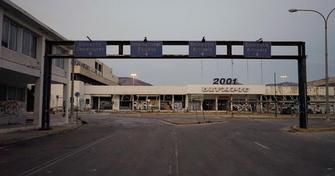
The article discusses the living conditions of refugees and migrants, primarily Afghans, in Elliniko, Greece. They are housed in a disused airport hangar and abandoned Olympic sports stadiums on the outskirts of Athens. The piece highlights the lack of control these individuals feel over their lives, leading to increased anger and frustration. Lucy Carrigan from the International Rescue Committee describes the situation as dehumanizing, with people who had various professions before fleeing war now feeling reduced to mere numbers. The Greek Ministry of Migration declined to comment on the conditions in the camps.

Refugee Crisis Migration Greece International Rescue Committee

Stranded and sick, refugees endure harsh Serbian winter

Aljazeera 13 Jan 2017 English

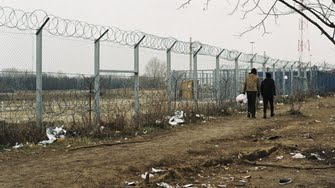
The article reports on the situation at the Serbian-Hungarian border where many refugees and migrants had set up an impromptu camp in hopes of entering the European Union. Serbian police conducted a raid, dismantling tents and transporting those who had not registered to a reception centre. Despite the raid, some asylum-seekers remain in the area, seeking refuge in forests and abandoned buildings. The UNHCR notes over 6,400 individuals are stranded in Serbia due to European border closures. The Serbian government assures shelter availability, especially in harsh winter conditions. Conversely, Hungary's Homeland Security adviser criticizes NGOs for spreading misinformation about border openness and announces Hungary's plan to detain asylum-seekers during application processing.

Refugee Crisis Border Control Humanitarian Aid Serbia Hungary European Union Novi Sad Humanitarian Centre UNHCR Serbian government’s Commissariat for Refugees and Migrants

Ivica Tončev or: How I Learned to Stop Worrying and Love School

Balkanist 18 Dec 2016 English

The article examines Serbia's appointment of Ivica Tončev as State Secretary at the Ministry of Foreign Affairs and challenges the academic credentials listed on his CV. It reports that Serbian and Kosovan education authorities found no records supporting his claimed schooling and degrees, while the University of Prishtina disputed the authenticity of a purported diploma. The piece further cites investigations describing the London-based Megatrend institutions as nonexistent or mailbox operations used to circulate questionable degrees. It concludes that Tončev's verified training was as an auto mechanic, raising questions about both his appointment and the vetting of senior Serbian officials.

Political Corruption Diploma Fraud Serbian Politics Higher Education Serbia Kosovo United Kingdom Government of Serbia Serbian Ministry of Foreign Affairs Serbian Ministry of Education, Science and Technological Development Kosovo Ministry of Education, Science and Technology University of Prishtina
Reporting styleInterpretive

Strongly critical and sarcastic framing, though the claims are supported with cited records and reporting.

Political contextCentre

Investigative reporting critical of a government appointment and alleged credential fraud, without a clear partisan ideological position.

Ivica Tončev or how I learned not to worry and loved school

Peščanik 18 Dec 2016 Serbian

The article examines allegations that Ivica Tončev, newly appointed state secretary in Serbia’s Foreign Ministry, used falsified or unverifiable educational credentials to advance his political career. Investigations by Serbian and international media indicate inconsistencies in his claimed diplomas from schools in Kosovo, the University of Priština, and various Megatrend-related institutions, some of which appear to have been fictitious. Official checks suggest Tončev completed only vocational training as an auto mechanic. The piece frames his rise as emblematic of broader corruption and the normalization of dubious qualifications within Serbian public institutions.

Political corruption Fake degrees Serbian politics Serbia Kosovo Austria Ministry of Education of Serbia Ministry of Foreign Affairs of Serbia University of Priština EULEX Ivica Tončev Ivica Dačić
Reporting styleInterpretive

The text includes investigative facts but also strong critical and sarcastic commentary.

Political contextCentre-left

Critiques government corruption and misuse of public office.

See all 46 pieces of work with a free account

Hire Message
×

Sign up to message Natalija

Already have an account? Log in
Looking for work? Register as a Journalist
Verify your email to complete registration
We’ve just sent an email to . Please check your inbox and click the link to verify your email address and complete your registration. If you don’t see the email, be sure to check your spam or junk folder.
Didn’t receive the email?

Sign up to unlock profiles

Already have an account? Log in
Looking for work? Register as a Journalist
Verify your email to complete registration
We’ve just sent an email to . Please check your inbox and click the link to verify your email address and complete your registration. If you don’t see the email, be sure to check your spam or junk folder.
Didn’t receive the email?