Engager des journalistes

Éditeurs et diffuseurs Équipes de marketing de contenu Équipes RP et communication Équipes risques et renseignement Trouver des journalistes Veille médias Tarifs

Pour les journalistes

Offres d'emploi en journalisme Tarifs Créez votre profil gratuit

À propos de Niko

Journaliste freelance globe-trotter, j'écris au fil du voyage. Je me spécialise généralement dans la criminalité et les drogues, mais depuis 2022 je couvre beaucoup de sujets liés à la Russie et à l'Ukraine parce que, pour une raison quelconque, cela intéresse les gens. J'ai couvert des pays autoritaires et en proie à la guerre comme le Congo, l'Iran et la Russie. Actuellement en Amérique latine.

Langues
anglais russe espagnol
Vu dans
The Spectator Vice Al Jazeera

Travaux 32

Venezuela Has Become Another American Puppet State

The Spectator 4 mai 2026 English

After U.S. forces captured Nicolás Maduro, his governing circle remained in power under acting president Delcy Rodríguez, while Washington gained effective control over Venezuelan oil revenues. Some Venezuelans welcomed Maduro's removal, but residents interviewed describe continued economic hardship, low wages, unreliable electricity, and little change in daily life. The government has released some political prisoners and allowed limited civic engagement, but hundreds remain detained and repressive laws persist. The article argues that the Trump administration's focus on oil and geopolitical influence, alongside its sidelining of opposition leader María Corina Machado, risks closing the opportunity for a genuine democratic transition.

U.S. Intervention in Venezuela Venezuelan Politics Oil and Natural Resources Democracy and Human Rights Political Prisoners Venezuela United States Ecuador Venezuelan government Foro Penal Washington Office on Latin America (WOLA) Hamas
Style rédactionnelInterprétatif

Strongly critical argument that U.S. control has replaced Maduro's rule without delivering democracy or better conditions for Venezuelans.

Contexte politiqueCentre gauche

Critical of U.S. intervention and authoritarian rule, and supportive of democratic transition and human-rights protections.
El Mencho’s Death Plunges Mexico into Chaos

The Spectator 23 févr. 2026 English

Mexican security forces killed Jalisco New Generation Cartel leader Nemesio Oseguera Cervantes, known as El Mencho, triggering cartel attacks, arson and roadblocks across multiple states. Guadalajara and Puerto Vallarta saw disruption and fear, while analyst David Mora warned that the cartel’s centralized structure could make succession uncertain and create openings for rival groups. The article places the operation in the context of US pressure on President Claudia Sheinbaum and argues that previous efforts to eliminate cartel leaders have often splintered criminal groups and intensified violence without stopping drug flows. Fighting continued as uncertainty grew over whether a designated successor could prevent further conflict.

Mexican Drug Cartels Drug Violence El Mencho’s Death Mexico–United States Relations Drug War Mexico United States Jalisco New Generation Cartel (CJNG) Sinaloa Cartel Drug Enforcement Administration (DEA) Mexican Armed Forces United States Government
Style rédactionnelInterprétatif

The piece is largely reported analysis but uses vivid, judgmental language and draws a strongly critical conclusion about cartel crackdowns.

Contexte politiqueCentre

The article focuses on security developments and assesses the consequences of anti-cartel policy without advocating a clear partisan position.

America Is Far Safer Than You Think

The Spectator 27 janv. 2026 English

Homicides fell sharply in 2025 across 40 US cities, with Chicago and Baltimore among the cities reporting substantial declines. The article says the causes remain uncertain and cautions against attributing the change solely to the Trump administration’s deportations. It points to community violence-intervention programs, changes in gang dynamics, improved crimefighting technology, and broader shifts in everyday behavior as possible contributors. The author argues that falling violence deserves more attention, while noting that the trend does not yet have a definitive explanation.

Crime Rates Homicide Gun Violence Community Violence Intervention Crime Prevention United States Chicago Baltimore Council on Criminal Justice Immigration and Customs Enforcement Chicago Cred Safe Streets
Style rédactionnelÉquilibré

Argues that the United States is becoming safer and highlights possible causes, while acknowledging that the reasons for falling crime rates are not yet established.

America Is Far Safer Than You Think

The Spectator 26 janv. 2026 English

Homicides fell sharply in 2025, with a Council on Criminal Justice review finding a 21 percent decline across 40 US cities. The article disputes the Trump administration's claim that mass deportations caused the drop, noting that researchers cannot yet determine the reasons and that many deportees had minor or no criminal records. It points instead to community violence intervention, changes in gang dynamics, improved crimefighting technology, increased digital activity, cashless payments, and declining alcohol consumption as possible factors. Chicago and Baltimore are highlighted for major reductions in murders, with community programs and local strategies among the credited measures. The article concludes that the United States is becoming safer, despite grim news coverage.

Crime in the United States Homicide Trends Gun Violence Community Violence Intervention Crime Prevention United States Chicago Baltimore Council on Criminal Justice U.S. Immigration and Customs Enforcement Chicago Cred Safe Streets
Style rédactionnelÉquilibré

Argues that the United States is becoming safer and challenges the claim that deportations caused the decline, while presenting several possible explanations.

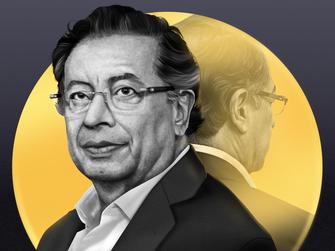
Gustavo Petro: Colombia’s former rebel fighter turned president

Al Jazeera 26 janv. 2026 English

Gustavo Petro’s political trajectory spans from his youth in the M-19 rebel movement to becoming Colombia’s first left-wing president, shaped by his longstanding commitments to land reform, social equality, environmental protection, and drug policy reform. His early life and intellectual influences formed a worldview centred on confronting entrenched elites, later reflected in his legislative investigations into paramilitary-political collusion despite personal risk. As mayor of Bogota, he advanced progressive policies but faced administrative challenges and political pushback. His presidential victory emerged from public disillusionment with the traditional political class and the collapse of Colombia’s peace process. In office, Petro pursued ambitious initiatives such as Total Peace, energy transition, and drug policy reform, but these efforts were hampered by limited strategic planning, fragmented governance, and cabinet instability. His confrontational international stance, particularly toward the US and Israel, earned both admiration and criticism, while domestic scandals and persistent violence weighed on his approval. Petro’s legacy remains polarising—viewed by some as the beginning of long-term societal transformation and by others as an ideologically driven presidency that fell short of its goals.

Colombian Politics Peace Process Gustavo Petro Biography Drug Policy Armed Conflict in Colombia Colombia United States Venezuela M-19 FARC Colombian Government ELN
Style rédactionnelÉquilibré

Mixture of factual reporting and interpretive analysis on Petro’s leadership, ideology, and legacy.

Contexte politiqueGauche

Focuses on Petro’s left-wing ideology, social reform agenda, and critiques of conservative and US-aligned actors.

Colombia Is the Obvious Next Target for Trump’s Narco War

The Spectator 8 janv. 2026 English

The article argues that Colombia could become the next focus of Donald Trump’s counternarcotics campaign after the US operation against Nicolás Maduro. Trump has accused Colombian president Gustavo Petro of drug trafficking and suggested a US operation in Colombia, amid strikes on alleged drug boats whose cargoes have not been publicly verified. Petro’s drug-control and peace efforts have struggled, but he was democratically elected, and critics across Colombia reject a violation of national sovereignty. Analysts warn that the porous Colombia–Venezuela border and armed groups operating across it could draw Colombia into a wider conflict. Mexico’s president Claudia Sheinbaum has cooperated with US extraditions but rejects unilateral intervention, despite domestic frustration with cartel violence.

US-Colombia Relations War on Drugs Drug Trafficking US Military Intervention Colombian Politics Mexican Drug Cartels Colombia United States Mexico US Department of Justice US Department of State US Department of Defense
Style rédactionnelInterprétatif

Strongly critical and skeptical commentary argues that Trump's drug-war rationale may mask imperialist motives and warns of potential intervention in Colombia.

Contexte politiqueCentre gauche

Criticizes Trump’s threats and interventionist framing, while also acknowledging the failures of Petro’s drug and peace policies.

The Long, Awful Shadow of the Siege of Sarajevo

The Spectator 14 déc. 2025 English

Thirty years after the Dayton Agreement, Sarajevo survivor Dzemil Hodzic recalls how his brother Amel was killed by sniper fire during the siege. The article traces Bosnia's route from Yugoslavia's breakup through the Bosnian War and the peace settlement, which divided the country into two entities and left a complex, often paralysed political system. Ethnic divisions and the glorification of wartime figures persist, even as a younger generation grows up in peace. Hodzic sees EU integration and continued efforts to defend Bosnia's future as necessary, but doubts that the entrenched system will change soon.

Siege of Sarajevo Bosnian War Dayton Agreement Ethnic divisions in Bosnia and Herzegovina Bosnia and Herzegovina's political deadlock European Union accession Sarajevo Bosnia and Herzegovina Former Yugoslavia NATO United Nations European Union
Style rédactionnelInterprétatif

Reported history and testimony are interwoven with strongly critical judgments about Bosnia's political system and the Dayton settlement.

Contexte politiqueCentre gauche

Critical of nationalism and Bosnia's postwar political deadlock, while supporting European integration and international engagement.

Greyhound Racing Is on Its Last Lap

The Spectator 16 nov. 2025 English

Greyhound racing, once a major British pastime, has declined as gambling alternatives, stadium redevelopment, online viewing and falling public interest have reduced its audience. The article traces the sport’s history and notes its enduring appeal to some participants, while recounting abuse scandals and campaigners’ concerns about injuries and deaths among racing dogs. The Welsh government plans to ban the sport, Scotland may follow, and a survey found that most Britons consider greyhound racing unimportant to national culture.

Greyhound Racing Animal Welfare Gambling British Sporting History United Kingdom Wales Scotland Greyhound Board of Great Britain Greyhound Rescue Wales Welsh Government Scottish Government Greg Cruttwell
Style rédactionnelÉquilibré

Mostly reported history and attributed claims, with a critical framing of the sport’s decline and animal-welfare risks.

Can Trump Take Down the Cartels?

The Spectator 13 août 2025 English

Donald Trump has authorized military action against several Latin American gangs and drug cartels, raising questions about whether the United States might strike targets in Mexico or elsewhere. Analysts consider a full-scale invasion unlikely but warn that drone strikes or special operations could provoke retaliation, endanger Americans, and trigger a major crisis with Mexico. Critics argue military force cannot solve the economic incentives driving drug trafficking and may make drugs more profitable. The article also examines Venezuela, where competing Trump administration factions differ over pressuring Nicolás Maduro, and suggests the administration’s accusations may serve domestic political purposes more than signal imminent action.

U.S. War on Drugs Drug Cartels U.S.-Mexico Relations Military Intervention Venezuela Mexico United States U.S. government Central Intelligence Agency Mexican government Cartel of the Suns Sinaloa Cartel
Style rédactionnelÉquilibré

Mostly analytical reporting, with critical framing of military counternarcotics policy and attributed expert assessments.

Contexte politiqueCentre

Analyzes competing policy positions and risks without clearly endorsing a partisan viewpoint.

Will a political crisis kill off Thailand's marijuana ban?

The Spectator 5 juil. 2025 English

Thailand’s prescription-only cannabis restrictions may fail amid a political crisis that has weakened Prime Minister Paetongtarn Shinawatra’s government. The Bhumjaithai Party, which led cannabis decriminalization, left the coalition over tensions with Cambodia, while protests followed a leaked call between Shinawatra and Hun Sen. Health Minister Somsak Thepsutin says cannabis-related hospitalizations have risen sharply and has proposed tighter controls, citing public-health concerns; critics argue the poorly regulated market and the timing of the move reflect political maneuvering. Authorities have delayed implementation by up to 60 days, and the cannabis industry’s estimated value of more than $1.2 billion makes its disappearance unlikely. The restrictions’ future depends on the government’s survival and coalition politics.

Thailand cannabis policy Cannabis decriminalization and regulation Thai political crisis Drug trafficking Thailand Cambodia United Kingdom Bhumjaithai Party Thai government National Crime Agency Paetongtarn Shinawatra Somsak Thepsutin
Style rédactionnelÉquilibré

Analysis with a discernible critical perspective on the political maneuvering and weak regulation surrounding cannabis.

Voir les 32 réalisations avec un compte gratuit

Autres journalistes à Bath

Recruter Message
×

Inscrivez-vous pour envoyer un message à Niko

Vous avez déjà un compte ? Se connecter
Vous cherchez du travail ? S'inscrire en tant que journaliste
Vérifiez votre e-mail pour finaliser l'inscription
Nous venons d'envoyer un e-mail à . Veuillez consulter votre boîte de réception et cliquer sur le lien pour vérifier votre adresse e-mail et finaliser votre inscription. Si vous ne voyez pas l'e-mail, pensez à vérifier votre dossier spam ou courrier indésirable.
Vous n'avez pas reçu l'e-mail ?

Inscrivez-vous pour débloquer les profils

Vous avez déjà un compte ? Se connecter
Vous cherchez du travail ? S'inscrire en tant que journaliste
Vérifiez votre e-mail pour finaliser l'inscription
Nous venons d'envoyer un e-mail à . Veuillez consulter votre boîte de réception et cliquer sur le lien pour vérifier votre adresse e-mail et finaliser votre inscription. Si vous ne voyez pas l'e-mail, pensez à vérifier votre dossier spam ou courrier indésirable.
Vous n'avez pas reçu l'e-mail ?