Mettiti rapidamente in contatto con professionisti dei media esperti a Wien, pronti a coprire la tua storia o a fornire reportage qualificati. Dalle notizie dell'ultima ora agli approfondimenti, trova il talento di cui hai bisogno.
Usa il nostro cerca per trovare esattamente ciò che cerchi.
Fotografi a Wien
David Visnjic
Wien, Austria
Di solito risponde
Entro un'ora
David Visnjic è un fotografo / fotogiornalista e operatore di camera (video/film) con base a Vienna/Austria. Disponibile per l'intera Austria, Slovenia, Bosnia, Croazia, Serrbia e l'Italia settentrionale.
Claudia Tschabuschnig è una giornalista con base a Vienna, Austria. Ha lavorato in precedenza per il dipartimento di politica estera dell'Austrian Press Agency, i reparti redazionali di ORF.at, il canale televisivo Puls4…
neuroRAD 2026: What the EU AI Act means for clinical neuroradiology
VideoAuntMinnieEurope26 ott 2026English
Stile giornalistico, Informativo: Mostly factual coverage of regulatory requirements and a clinician’s views, with limited evaluative framing.
At neuroRAD 2026 in Mainz, Heidelberg University Hospital’s Dr. Joel Kohler discussed how the EU AI Act applies to clinical neuroradiology, including whether AI tools qualify as high-risk systems and how the Act interacts with the Medical Device Regulation. He said hospitals must understand the distinction between AI providers and deployers, while noting that the legislation does not settle questions of clinical liability. Kohler also raised concerns about overlapping requirements and proposed regulatory changes, emphasizing that regulation should not hinder innovation or the use of AI to improve patient care.
EU AI ActMedical AI RegulationClinical NeuroradiologyMedical Device RegulationEuropean UnionMainzGermanyHeidelberg University HospitalJoel Kohler
Stile giornalistico, Informativo: Primarily a factual interview report, with limited evaluative framing around opportunities and challenges.
At EANM 2026 in Vienna, medicinal radiochemist Wolfgang Wadsak discusses advances in PSMA-targeted therapy, emerging targets such as ACP3, and a wider range of radionuclides that could support more personalized cancer treatment. He stresses that availability, production capacity, cost, and reliance on aging European research reactors are major obstacles to translating promising compounds into clinical care. Wadsak also calls for new targets for breast, ovarian, and lung cancers, notes unequal access to radiopharmaceuticals across Europe, and points to the possibility of introducing PSMA radioligand therapy earlier in prostate cancer.
RadiopharmaceuticalsNuclear medicineProstate cancerRadiopharmaceutical supply and productionCancer treatmentEuropeViennaAustriaEuropean Association of Nuclear Medicine (EANM)International Atomic Energy Agency (IAEA)Wolfgang WadsakPSMA radioligand therapy
Kim Traill
Wien, Austria
Kim Traill è una giornalista multimediale (video, stampa e fotografia) di madrelingua inglese, con base a Vienna dal 2012.
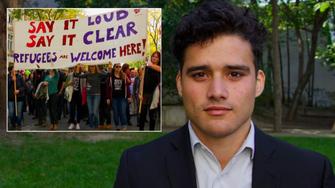
The country that has overturned its promise to refugees
SBS News1 ott 2023English
Stile giornalistico, Interpretativo: The article contains a mix of factual reporting and subjective statements, particularly from the refugees and advocates.
Contesto politico, Destra: The article discusses the rise of right-wing politics in Austria and its impact on immigration policy.
Austria has seen a significant shift in its immigration policy, moving from initial welcoming of refugees to a more hardline stance influenced by right-wing politics. Refugees like Yasin and Shahab face anxiety and uncertainty as their asylum applications are rejected, with fears of deportation back to dangerous conditions in Afghanistan. The Austrian government, led by Chancellor Sebastian Kurz, has praised Australia's strict immigration policies, while local advocates argue for more humane treatment. The article highlights the broader European divide on refugee policies and the impact on individuals seeking asylum.
Opposition politician Lyubov Sobol: “I believe in the Russians”
DIE FURCHE1 set 2021German
Stile giornalistico, Equilibrato: Factual reporting with some subjective assessments from interviewee
Contesto politico, Centro-sinistra: Critical of authoritarianism and supportive of democratic opposition
Lyubov Sobol describes escalating repression against Russia’s democratic opposition following Alexei Navalny’s return, detailing arrests, organizational bans, and restrictions ahead of parliamentary elections. She argues the Kremlin acts out of fear of declining support and seeks to block genuine competition through criminal charges, media suppression, and election manipulation. Despite forced exile and dismantling of the Anti-Corruption Foundation’s network, Sobol maintains that public support for democratic change remains strong and believes Russia can eventually return to a path of development and accountability.
Russian politicsOpposition repressionElections in RussiaRussiaMoscowFSBFBKKremlinOSCELevada CenterCommittee Against TortureLubow Sobol
Rispettiamo la tua privacy e utilizziamo un numero limitato di cookie per fornire funzionalità essenziali e migliorare la tua visita. Non sono coinvolti cookie pubblicitari di terze parti. Per maggiori dettagli, leggi la nostra Politica sui cookie.