Edgar Maciel
São Paulo, Brasil
- Reservas concluídas
- 136
- Costuma responder
- Em um dia
Meu nome é Edgar Maciel e tenho 30 anos. Tenho meu major in Journalism na Pontifice University Catolic of Rio Grande do Sul. Minha língua materna é o português e também sou fluente em espanhol e inglês.
Visto em Voz de América, Voaportugues, Ntrguadalajara +6 mais
Brazil’s rare earths put the country at the center of a new global power struggle
Estilo de reportagem, Informativo: Primarily factual reporting with some expert commentary
Contexto político, Centro: Focuses on geopolitical competition and resource policy without partisan framing
Brazil’s vast rare earth reserves have drawn competing interest from China, the U.S. and the EU as demand for critical minerals surges. China maintains dominance in refining and permanent magnet production, leaving Brazil dependent despite holding a major share of global reserves. The U.S. is exploring strategic agreements, while the EU-Mercosur pact accelerates European efforts to secure supply and invest in Brazilian mining projects. Experts warn that Brazil may need up to two decades to build its own refining capacity, leaving policymakers to choose between remaining a raw material exporter or developing a domestic high‑value industrial chain.
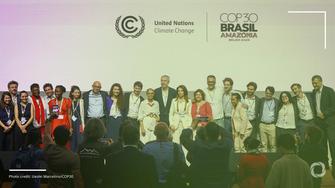
Has the COP model failed or merely prevented something worse?
Estilo de reportagem, Equilibrado: Mix of factual reporting and evaluative commentary on the effectiveness of COP30 and the COP model
COP30 in Belém delivered modest progress, including the adoption of indicators for the Global Goal on Adaptation and the launch of the Belém Action Mechanism for a just transition, but fell short on major issues such as fossil fuel commitments, finance, and deforestation roadmaps. Structural limitations, particularly the consensus rule and rising geopolitical tensions, hindered more ambitious outcomes and renewed calls for reform of the UN climate negotiation system. Despite criticism, experts note that past COP agreements have contributed to lowering projected global warming, though the pace of change remains inadequate. Major uncertainties remain, especially on climate finance, mitigation ambition, and the operationalization of adaptation frameworks, leaving the future effectiveness of COPs in question as global climate risks accelerate.