Diane Ndonse
Bujumbura, Burundi
- Prenotazioni completate
- 101
Diane Ndonse è una giornalista. Specializzata nella produzione di trasmissioni radiofoniche e di servizi radiofonici, produce articoli per la stampa scritta. È anche fotografa, operatrice di ripresa e consulente nella ge…
Visto su Gavi
Caught between conflict and exile: how Burundi is working to vaccinate Congolese refugee children
Stile giornalistico, Fattuale: Primarily factual reporting on humanitarian and public health efforts
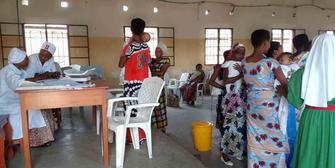
Burundi is racing to vaccinate thousands of Congolese refugee children fleeing conflict in eastern DRC, amid severe overcrowding and poor living conditions in transit sites like Rugombo. Large numbers of children have missed basic immunisations, raising the risk of outbreaks. Health workers face shortages of staff, clean water and medical records, complicating efforts to identify and vaccinate zero-dose and partially immunised children. Supported by Gavi, WHO, UNICEF and UNHCR, authorities launched the Big Catch-up campaign, targeting diseases including measles, polio and diphtheria through mobile vaccination teams and expanded logistics. Ongoing humanitarian instability requires sustained coordination to ensure all displaced children receive essential protection.
Burundi presses on with measles vaccination amid fuel shortages
Stile giornalistico, Equilibrato: The article presents factual information about the vaccination campaign and challenges but includes some subjective statements from individuals involved.
In Burundi, a national measles vaccination campaign faced significant challenges due to a severe fuel shortage and frequent power cuts, impacting transportation and vaccine refrigeration. Despite these obstacles, the Expanded Vaccination Program (EPI) managed to achieve over 90% of its target, reaching more than two million children. Efforts included prioritizing fuel for vaccination activities and using generators and solar fridges to maintain the cold chain. The situation highlights the vulnerability of public health initiatives to infrastructure issues, with health workers facing increased transport costs and logistical hurdles.