Alnour Naier
N'Djamena, Tschad
Ich bin sudanesischer Journalist, Fotograf und Dokumentarfilmer mit Sitz in N’Djamena, Tschad. Er berichtet über Tschad und die weitere Sudan–Tschad-Region, mit Schwerpunkt auf Konflikt und Sicherheit, Politik, Menschenr…
Gesehen in صوت الوحدة, صحيفة إدراك الإلكترونية
Saudi Arabia… Does Biased Discourse Threaten the Role of Mediator?
Berichtsstil, Interpretierend: The text presents analytical and subjective interpretations of media behavior and political implications.
Politischer Kontext, Mitte: Provides analytical commentary on state media behavior and diplomatic neutrality without advocating a partisan political stance.
Saudi-owned channels Al Arabiya and Al Hadath have shifted from neutral coverage of the Sudanese conflict toward language that appears more aligned with the Sudanese army, raising questions about the political implications of this change. Because these outlets reflect Saudi strategic positioning, the shift may signal a reevaluation of Riyadh’s approach to the crisis. Such a development could challenge Saudi Arabia’s credibility within the international quartet mediating the conflict, as successful mediation requires strict neutrality. Continued biased discourse risks undermining Saudi influence and complicating its diplomatic efforts toward a negotiated settlement.

The Hakama as a Political Actor
Berichtsstil, Ausgewogen: Analytical cultural interpretation with subjective framing but grounded in descriptive context
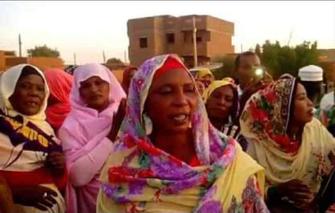
The hakama, a female poet-singer in Sudanese tribal society, particularly in western regions, serves as a key sociopolitical figure whose influence extends beyond artistic expression. Through poetry and song, she shapes public sentiment in times of war and peace, motivating warriors through praise and moral exhortation or facilitating reconciliation through appeals to kinship and shared identity. Researchers such as Andrew Paul describe her as a symbolic authority whose words carry significant weight in shaping collective decisions. By preserving communal memory and reinforcing values of bravery, honor, peace, and unity, the hakama acts as an informal political actor whose voice helps recalibrate social and power dynamics within her community.