Connectez-vous rapidement avec des professionnels des médias expérimentés à New Delhi, prêts à couvrir votre sujet ou à fournir un reportage d'expert. Des actualités de dernière minute aux reportages approfondis, trouvez le talent dont vous avez besoin.
Journalist.net compte 26 photographes à New Delhi.
Leurs travaux récents ont paru dans The Times of India, The New Indian Express, NewsDIO, Jagran, Morningside Maryland.
Sujets couverts : Environnement et climat, Société et démographie, Fact-checking et vérification, Politique et gouvernement, Affaires internationales.
Ensemble, ils travaillent en hindi, ourdou, bengali, cachemiri, chinois.
Utilisez notre rechercher pour trouver exactement ce que vous cherchez.
Photographes à New Delhi
Fireflies Originals
New Delhi, Inde
Réservations terminées
4
Répond habituellement
Sous un jour
Fireflies est une maison de production primée et innovante basée à Delhi, spécialisée dans la narration à travers des motion graphics avancés et des visuels cinématographiques. Avec une expertise en mythologie, science e…
Jitendra Choubey est un journaliste basé à Bangalore / New Delhi. Il écrit sur l'environnement, le changement climatique, les risques naturels, la politique, l'agriculture, l'alimentation, l'agrobusiness, l'agrotechnolog…
Vu dansThe New Indian Express, Deutsche Welle, NZZ Magazin+2 de plus
India’s Coal Power Sees No Growth Over Two Years for the First Time in 50 Years: Study
The New Indian Express17 sept. 2026English
Style rédactionnel, Factuel: Predominantly factual reporting based on quantitative analysis and expert statements, with limited interpretive framing.
India’s coal-power generation recorded no growth over the two years to the first half of 2026, the first such pause in more than five decades, as clean energy supplied nearly all of the increase in electricity demand. The development helped stabilize power-sector carbon dioxide emissions and reduced reliance on imported coal and gas. However, total national emissions continued to rise because of steel, cement and other industries. The Centre for Research on Energy and Clean Air says sustaining the trend will require expanded transmission, more flexible coal plants and rapid deployment of energy storage. With 43 GW of coal capacity still under construction and continued investment in coal gasification and domestic coking coal, India risks locking in industrial coal use despite evidence that renewables can meet new power demand.
Coal PowerClean EnergyRenewable EnergyPower-Sector EmissionsIndustrial DecarbonisationIndiaGujaratRajasthanCentre for Research on Energy and Clean AirLauri MyllyvirtaAnubha AggCoal
Centre to pay Rs 2.9 crore to 2,550 Punjab, Haryana farmers who earned carbon credits
The New Indian Express17 sept. 2026English
Style rédactionnel, Factuel: Predominantly factual reporting based on government statements, programme data and described farming practices.
The Centre will transfer Rs 2.9 crore to 2,550 farmers in Punjab and Haryana who earned carbon credits by using direct-seeded rice, reduced tillage and crop-residue management between 2019 and 2022. The payments come through Grow Indigo’s Aadi programme, developed with technical guidance from ICAR and verified under Verra’s VM0042 methodology. The programme estimates that participating fields saved 45 billion litres of water, prevented more than 200,000 tonnes of residue burning and avoided about 1,000 tonnes of PM2.5 emissions, supporting a broader shift toward regenerative agriculture.
AgricultureCarbon CreditsRegenerative FarmingClimate ChangeWater ConservationCrop Residue ManagementPunjabHaryanaIndiaIndian Council of Agricultural ResearchDepartment of Agricultural Research and EducationVerra
Husain Akbar
New Delhi, Inde
Répond habituellement
Dans l'heure
Je suis chef opérateur basé à New Delhi, avec plus de 20 ans d'expérience de tournage en Inde et à l'étranger, et je travaille avec des clients et des projets variés.
Je suis journaliste primé(e), basé(e) en Asie du Sud, et je couvre la politique, le climat et la culture. Mes reportages ont été publiés dans plusieurs publications reconnues au niveau mondial. Je suis également titulair…
Vu dansSouth China Morning Post, Foreign Policy, Nikkei Asia
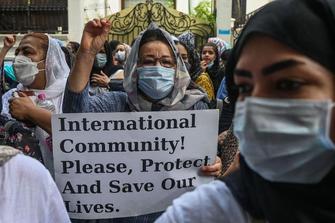
For Afghan Refugees, India Is Far From a Safe Haven
Foreign Policy6 juil. 2023English
Style rédactionnel, Interprétatif: The article presents a subjective view on the challenges faced by Afghan refugees in India, highlighting personal stories and criticisms of Indian policies.
Contexte politique, Centre gauche: Critiques the Indian government's policies and highlights the plight of Afghan refugees, suggesting a need for more inclusive and humanitarian approaches.
Afghan refugees in India face significant challenges due to the country's lack of legal recognition for refugees and exclusionary citizenship policies. Despite fleeing violence and persecution, many find themselves in a legal limbo, unable to secure stable employment or education for their children. The Citizenship Amendment Act, which excludes Muslims, further complicates their situation. Protests and appeals to UNHCR and Indian authorities for resettlement in refugee-friendly countries have so far been unsuccessful, leaving many refugees in a state of despair and uncertainty about their future.
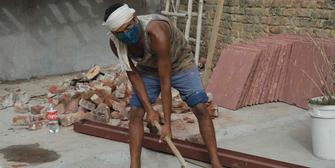
India's deadly heat waves preview disruptions of a hotter future
Nikkei Asia1 juil. 2023English
Style rédactionnel, Équilibré: The article presents factual information about the heat waves but includes subjective experiences and quotes from individuals.
In New Delhi, laborers like Sandeep face extreme heat conditions, starting work early to avoid the unbearable temperatures that peak by midday. This situation highlights the broader challenges posed by climate change, as India experiences increasingly severe heat waves, disrupting daily life and work patterns.
Climate ChangeHeat WavesIndiaNew DelhiSandeep
Swati Gupta
New Delhi, Inde
Je suis journaliste basé à New Delhi, en Inde. J'ai obtenu mon M.S. in journalism de la Columbia Graduate School of Journalism en 2015. J'ai travaillé comme rédacteur, reporter et producteur pendant 14 ans en Inde et à N…
Vu dansNewsDIO, Morningside Maryland, Ndtvprofit+26 de plus
Prem Keetanu Film Set to Launch on October 2, 2026
NewsDIO12 août 2026English
Style rédactionnel, Équilibré: Mostly factual reporting, but includes promotional claims about the film’s appeal and expected success.
Prem Keetanu, the first production from Gaurav Verma’s newly established Avanika Films in collaboration with Phars Films, is scheduled for a worldwide theatrical release on October 2, 2026. Directed by Apoorv Singh Karki, the youthful comedy follows college friends navigating friendship, heartbreak, academic pressures and romantic disappointments. The film stars Veer Pahariya, Aafiya Sayed, Aparshakti Khurana, Rakesh Bedi and Nikhil Vijay. Verma previously worked with Red Chillies on projects including Darlings, Bhakshak, Jawan and Badla, and intends for Avanika Films to produce commercially accessible stories with emotional depth.
BollywoodFilm ReleaseComedy FilmsYouth and College LifeIndian CinemaIndiaGaurav VermaApoorv Singh KarkiVeer PahariyaAafiya SayedAparshakti KhuranaRakesh Bedi
Sunny Leone Leads in New Horror Comedy 'Chudail'
NewsDIO11 août 2026English
Style rédactionnel, Informatif: Mostly factual entertainment reporting, with some promotional language about the film's audience appeal and potential success.
Sunny Leone has completed filming Chudail, a horror comedy set in North India in which she plays a vengeful spirit haunting men in Bulandshahr. Shot extensively in Uttar Pradesh, the film combines supernatural horror, comedy, music and visual effects, and is intended for release in Hindi with Malayalam, Tamil and Telugu dubbing. Directed by TLV Prasad and produced by Mahindra Dhariwal, it also stars Mandana Karimi and Rahul Dev, with a theatrical release planned for the end of September.
Abid Ali Mir est un écrivain basé au Cachemire, journaliste environnemental, animateur et fondateur de The Radio Anchar. Il milite pour la restauration du lac Anchar, l'autonomisation des communautés et la narration, ce…
Style rédactionnel, Équilibré: Podcast descriptions and episode topics include advocacy and evaluative framing, alongside informational material.
Spotify hosts RJ Abid Ali’s podcast, whose episodes cover education, marriage and social pressures, Islamic approaches to benevolent lending, tobacco, Kashmiri cultural traditions, and environmental protection. The profile identifies Abid Ali Mir as founding director of The Radio Anchar, a writer and podcaster who advocates Islamic economic reform and environmental preservation. One featured report describes an international conference at IUST on nature-based climate solutions in the Himalayas, alongside the inauguration of the university’s law school and the announcement of a legal aid cell.
PodcastingClimate resilienceEnvironmental conservationEducationMarriage and social pressureIslamic economicsKashmiri cultureKashmirHimalayasIndiaIslamic University of Science and TechnologyJammu & Kashmir and Ladakh High Court
Rahul Singh
New Delhi, Inde
Rahul Singh est un journaliste basé à New Delhi, en Inde. Il est un producteur chevronné et fournit des services de production cinématographique de premier ordre à des sociétés internationales en Inde. Offrant un large é…
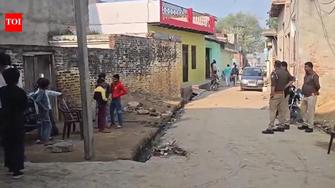
Police arrested twelve men in Bulandshahr after a Dalit family was attacked during a naming ceremony when loud music resumed following local prayers. The assailants allegedly used caste slurs, assaulted attendees, and vandalised property. Authorities filed charges under rioting, causing hurt, and the SC/ST Act, with more arrests expected.
Caste violenceReligious tensionsCrimeUttar PradeshIndiaPoliceAkash KumarNeeraj MalikMoyeen KhanMatlub AliMohd AdilAkram Khan
Eat, sleep, PR, repeat because we’re giving out the coolest PR trends that you cannot miss
The Times of India18 août 2022English
Style rédactionnel, Interprétatif: An advice-driven, persuasive opinion piece promoting specific public relations strategies and trends.
Rahul Singh outlines seven public relations trends for brands in 2022: align messaging with ethical consumer values, prioritize engagement over promotion on social media, use podcasts and visual content, work with micro- and nano-influencers, measure campaign effects with data, and collaborate with other companies. He argues that consumers are more selective and demanding, making authentic communication and attention to changing audience expectations essential.
Public RelationsMarketing StrategySocial Media MarketingInfluencer MarketingBrand ReputationRahul SinghPodcasts
Vivek Singh
New Delhi, Inde
Vivek Singh est journaliste, photographe et cinéaste basé à New Delhi, Inde.
Ladakh Opens a State-of-the-Art Artificial Ice Hockey Rink at a Cost of ₹42 Crore, Enabling Year-Round Practice for Players
Dainik Jagran14 août 2026Hindi
Style rédactionnel, Informatif: Predominantly factual reporting, with some optimistic statements about Ladakh’s future as a winter-sports hub.
Leh has opened Ladakh’s first international-standard artificial ice hockey rink at the NDS Stadium, built at a cost of approximately ₹42 crore. Its 24-hour ice-chilling facility will allow athletes to train throughout the year rather than only during the two to three months when natural ice is available. The rink is expected to support national and international competitions, develop local talent, strengthen Ladakh’s profile as a winter-sports hub, and generate economic benefits through competitions, training camps, and sports tourism.
PM Awas Yojana Urban Transforms Jammu and Kashmir, 35,961 Poor Families Become Owners of Permanent Homes
Dainik Jagran11 août 2026Hindi
Style rédactionnel, Informatif: Mostly factual reporting of housing-completion figures and government funding, with some favorable statements about the central government's welfare record.
Contexte politique, Centre droit: Favorable coverage of the central government's housing program and Narendra Modi's leadership, while reporting official figures and parliamentary scrutiny.
Under the Pradhan Mantri Awas Yojana-Urban, 35,961 of 45,982 sanctioned homes in Jammu and Kashmir had been completed and handed over to beneficiaries by June 2026. The approved homes include 3,398 under PMAY-Urban 2.0. The central government has sanctioned ₹734.44 crore in assistance and released ₹544.40 crore. The implementation deadline has been extended to September 30, 2026, to complete the remaining houses, with the Ministry of Housing and Urban Affairs reviewing progress with the Union Territory administration.
Pradhan Mantri Awas Yojana UrbanAffordable HousingGovernment Welfare SchemesJammu and Kashmir DevelopmentJammu and KashmirJammuIndiaGovernment of IndiaMinistry of Housing and Urban AffairsBharatiya Janata PartyRajya SabhaSat Sharma
Udit Kulshrestha
New Delhi, Inde
Je suis photographe indien et photojournaliste éditorial basé à New Delhi. Le portrait, la culture et les conflits fonciers motivent et guident mon travail.
Vu dansEdge of Humanity Magazine, Vanityfair, Udit Kulshrestha is a Delhi based Indian Contemporary Portrait Photographer & Photojournalist+7 de plus
I’ll Be Looking at the Moon, But I’ll Be Seeing You: a Photobook Review
Medium28 août 2025English
Style rédactionnel, Interprétatif: Highly interpretive and subjective art criticism with philosophical commentary.
Reviews a photobook by Hari Katragadda and Shweta Upadhyay that blends photography, stitching, painting, and philosophical reflection to explore memory, desire, intimacy, and absence. The book's use of scars, stitches, and intermedia techniques challenges conventional photographic transparency and emphasizes materiality. Drawing on influences from literature, philosophy, and jazz, it frames the moon as a recurring symbol of longing and loss. Positioned within contemporary Indian photobook culture, the work is highlighted as a significant and intimate contribution that treats photography as an elegiac art form concerned with traces, wounds, and the spectral qualities of love.
Photobook ReviewContemporary Indian PhotographyArt CriticismIndiaHari KatragaddaShweta UpadhyayRoland BarthesJacques DerridaCy TwomblyCaravaggioRainer Maria RilkeEve Kosofsky Sedgwick
Kutia Kandha Tribal Women’s Face Tattoos: Ancient Protection Ritual Faces Modern Extinction
Frontline26 nov. 2024English
Style rédactionnel, Informatif: Primarily factual cultural reporting with limited subjective interpretation
The Kutia Kandha tribe of southern Odisha, once known for facial tattoos used to deter rival tribes and British captors, is seeing the tradition disappear as modern beauty norms and technological exposure reshape cultural identity. Girls historically received geometrical tattoos between ages 12 and 16 using herbal inks and improvised tools, but the practice has sharply declined over the past three decades, with the associated indigenous knowledge nearly lost. Modern utensils, media influence, and changing societal interactions have further accelerated this cultural erosion.
Vu dansDialogue Earth, Kashmir Narrator, Scroll.in+6 de plus
COP17: Nature Knows No Boundaries – Neither Can Our Solutions
Dialogue Earth13 oct. 2026English
Style rédactionnel, Interprétatif: Advocates for integrated biodiversity and climate solutions and greater authority, funding, and representation for local communities.
Local government leaders from Coastal 500 urge policymakers to treat biodiversity conservation and climate resilience as connected challenges. They argue that healthy watersheds, forests, wetlands, mangroves, reefs, and seagrass beds support both ecosystems and local livelihoods, and describe work in Honduras linking fisheries management with land and freshwater stewardship. The authors call for local governments and communities to gain meaningful roles in national plans, improved access to finance, recognition of community rights and co-management, and cooperation across jurisdictions. They say conservation targets such as protecting 30% of the planet by 2030 should be judged by whether ecosystems function, climate risks fall, and communities and livelihoods become more resilient.
Nepal Is a Warning: Climate Adaptation Must Become a Global Priority
Dialogue Earth9 oct. 2026English
Style rédactionnel, Interprétatif: Advocates for treating climate adaptation as essential infrastructure and calls for greater, locally controlled funding.
The author argues that climate adaptation must receive the same urgency as emissions mitigation and be treated as essential development infrastructure. Drawing on the losses suffered by Sundari Tamang in Nepal’s floods and earlier earthquake, the article highlights how poverty, weak infrastructure and inadequate protection turn hazards into lasting human disasters. Adaptation funding falls far short of need, while resources are often controlled by large institutions rather than local communities. The author calls for accessible early warnings, anticipatory cash, climate-resilient housing, insurance and other protections, alongside long-term investment in infrastructure and ecosystem restoration. Examples from Bangladesh, India, Japan, Mozambique and Vietnam show how immediate and lasting measures can reduce harm; governments and funders should provide flexible, long-term support shaped by affected communities.
Nous respectons votre vie privée et utilisons un nombre limité de cookies pour fournir des fonctionnalités essentielles et améliorer votre visite. Aucun cookie publicitaire tiers n'est utilisé. Pour plus de détails, veuillez lire notre Politique en matière de cookies.