Marleidy Munoz
Lima, Perù
- Prenotazioni completate
- 14
Graduate in Journalism (2009). Master in Historical and Anthropological Studies (2014). Documentalista. Ha la qualifica di fotogiornalista. Esperienza come redattore-giornalista della stampa, editor di contenuti giornali…
Visto su Adnamerica, Eltoque, CADAL.ORG +2 altri
Repression and Espionage: The Footprint of Cuban Intelligence in Venezuela
Stile giornalistico, Interpretativo: The text contains a mix of factual reporting and subjective statements, particularly regarding the influence and actions of Cuban intelligence in Venezuela.
Contesto politico, Sinistra: The text criticizes the Venezuelan government and its reliance on Cuban intelligence, suggesting a left-leaning perspective.
Nicolás Maduro's regime in Venezuela, supported by Cuban intelligence, has engaged in extensive repression and espionage to maintain power. The Cuban government has been instrumental in restructuring Venezuela's military and intelligence services, fostering a climate of fear and surveillance. Opposition leaders like Edmundo González and María Corina Machado advocate for reevaluating Venezuela's foreign relations, particularly with Cuba. Reports from various organizations highlight the pervasive influence of Cuban agents in Venezuela's security apparatus and their involvement in human rights abuses, including torture. The international community has struggled to address these issues effectively.
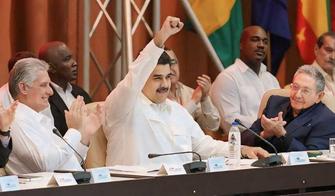
Human Rights in Cuba: From Leadership in Creation to Repression and Silence
Stile giornalistico, Interpretativo: The text contains a mix of factual information and subjective analysis, with a focus on criticizing the Cuban government's stance on human rights.
Contesto politico, Sinistra: The text criticizes the Cuban government's repressive policies and advocates for human rights, aligning with left-leaning views on civil liberties.
The article discusses the deterioration of human rights in Cuba, contrasting the country's historical role in drafting the Universal Declaration of Human Rights with its current repressive practices. It highlights the publication of a book that examines Cuba's human rights history and criticizes the Cuban government's criminalization of human rights advocacy. The text features insights from various academics, activists, and journalists, emphasizing the need for civic education and international awareness to support human rights in Cuba.