Hatice Kamer
Diyarbakır, Turkey
- Bookings Completed
- 41
- Usually responds
- Within a few hours
Hatice Kamer is a journalist based in Diyarbakır, Turkey.
Seen in BBC, Voice of America, Denge Amerika (Voice of America Kurdish Service)
What messages were delivered at the Peace Day march in Diyarbakır?
Reporting style, Informative: Mostly factual reporting, presenting statements from march participants, political figures and civil society groups, with limited interpretive framing.
Political context, Centre-left: The report is broadly factual but gives substantial attention to Kurdish political demands, peace negotiations, civil liberties and the release of political prisoners.
A 1 September World Peace Day march in Diyarbakır, organized by civil society groups and the DEM Party, drew crowds calling for an end to conflict and demanding freedom for Abdullah Öcalan and political prisoners including Selahattin Demirtaş. Participants, including DEM Party co-chair Tülay Hatimoğulları, emphasized an honorable and lasting peace. Civil society organizations said ending violence alone would not resolve the Kurdish issue and urged discussion of its root causes, implementation of a new national-reconciliation law, a shared language of peace and action against racism and possible provocations.
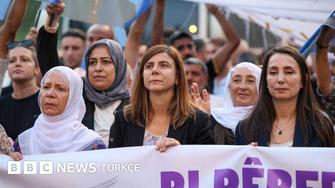
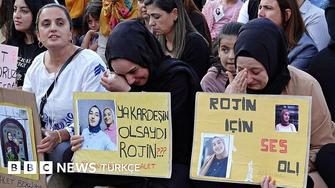
Rojin Kabaiş: What are the latest allegations, and what stage is the legal process at?
Reporting style, Balanced: Mostly factual reporting, while presenting the family lawyers’ claims and criticisms alongside official explanations and noting that some allegations remain unverified.
Two years after Rojin Kabaiş’s body was found in Lake Van, her family’s legal campaign continues to focus on disputed forensic findings and newly examined Instagram messages. The Forensic Medicine Institute said rocuronium detected in her organs was likely administered during ear surgery and found no medical evidence of poisoning, while the family’s lawyer and a medical academic dispute whether the drug could remain in the body for 34 days or appear in the stomach. Investigators also identified messages exchanged shortly before Kabaiş disappeared with a person the family considers a plausible suspect, and the family has requested DNA samples from two people with the same name. Earlier testing reportedly found DNA from two men on Kabaiş’s body, which lawyers say was disclosed too late. Authorities have not publicly responded to all of the family’s allegations, while Kabaiş’s father rejects the suicide theory and says he has received threats.