Moscow Rules: A Tale of Disinformation
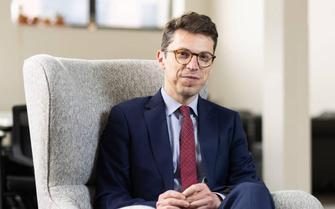
Rafael Baptista, um jornalista freelancer português de 26 anos, é movido por uma paixão inabalável pela narrativa. Inquisitivo e resolutamente determinado, especializa-se em política e segurança. Há mais de seis anos, o seu trabalho tem examinado a ascensão da extrema-direita e as atividades de vários serviços de inteligência em Portugal, com especial foco no Irão. Quem o conhece espera franqueza, um toque lírico e um pouco de intriga — qualidades que ele considera essenciais a qualquer boa história.
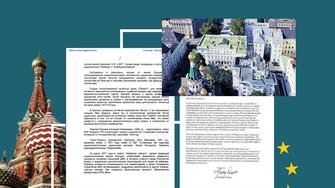
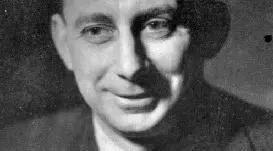
A reflective letter addressed to Ralph Fox contrasts his depiction of Salazar’s Portugal with present-day social and political realities, lamenting persistent inequality, the hardships of urban life in Lisbon, and cultural shifts tied to tourism and gentrification. References to political missteps, deteriorating living conditions, and the erosion of working‑class identity underscore frustrations with contemporary governance. The text juxtaposes revolutionary memory with modern disillusionment, concluding with concerns over the transformation of Sintra and a sense of continuity between past and present struggles.
Subjective reflections and personal criticism dominate the narrative
Critical of inequality and sympathetic to leftist historical figures and movements
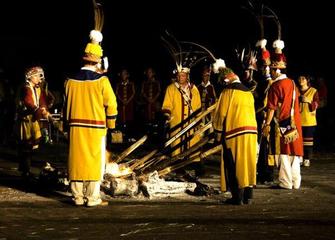
Taiwan’s Indigenous Sakizaya community views the threat of a Chinese invasion through a lens shaped by a long history of colonization and violence, from Qing-era massacres to Japanese and Nationalist Chinese rule. Despite being officially recognized only in 2007, many Sakizaya still feel marginalized and excluded from political power, with land expropriation and military installations in their territories deepening mistrust. Activists warn that unresolved historical wounds and divisions leave Indigenous communities vulnerable as China expands influence through local penetration and disinformation. Calls for sovereignty, cultural preservation, and meaningful political inclusion remain central as Indigenous leaders argue that identity and land are inseparable and must be integral to Taiwan’s democratic future.
Highly interpretive and emotive narrative with strong subjective judgments about oppression, colonial history, and future threats.
Emphasizes decolonization, Indigenous rights, social justice, and critiques of state militarization.
French and Spanish intelligence services recruited members of the extremist group The Call of Jesus Christ during the 1980s to infiltrate and monitor a Libyan-backed network operating in Europe. Initially arrested for attempted attacks in Paris, Lisbon, and Madrid, the group’s operatives were released and allegedly used as double agents to gather information on Libyan support for militant organizations. Conflicting intelligence accounts, contradictory evidence, and ambiguous ideological affiliations clouded the investigation. Subsequent legal proceedings resulted in unexpectedly light sentences, raising questions about covert cooperation between defendants and intelligence agencies. Members of the Joude family later integrated into business and religious sectors, establishing foundations and pursuing international financial ventures, though their past continued to generate controversy. The narrative highlights enduring uncertainty surrounding the extent of French and Spanish intelligence involvement and the unresolved implications of state-sponsored clandestine operations.
Contains investigative reporting but with strong subjective framing, rhetorical questions, and interpretive commentary.
Strong criticism of Western intelligence services, imperialism, and state-sponsored covert operations.
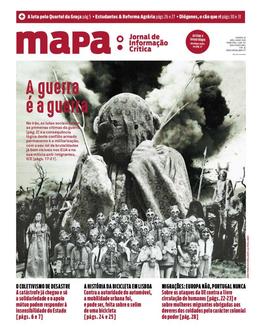
The text outlines the themes of the 49th edition of Jornal MAPA, highlighting social struggles across several regions, including immigrant persecution in the United States, the implications of the PKK laying down arms, and anarchist responses to the war in Ukraine. It describes mobilization in Turin against the eviction of the Askatasuna social center and reports on environmental conflicts involving Altri in Galicia and state-backed extractivist projects in Barroso. Additional pieces address housing activism in Lisbon, the bicycle as resistance to car dominance, the precarious lives of immigrant women, the removal of transgender rights by the government, and queer ecological and political reflections, including critiques of relying on the state to regulate hate speech.
Strongly opinionated editorial framing social and political struggles with subjective and activist-oriented language
Supports social movements, immigrant rights, queer perspectives, and criticizes state power and extractivism
A Portuguese security professional reflects on the shooting death of MIT nuclear scientist Nuno Loureiro and argues it bears the hallmarks of a targeted execution. He suggests entrenched fossil-fuel interests and hostile regimes like Iran or Russia could have motives to suppress breakthroughs in cheap, clean energy, noting Israeli authorities have not ruled out Iranian involvement. He laments the muted response from Portugal’s political establishment and contends that powerful elites benefit while society loses a visionary.
Highly speculative, first-person commentary with minimal verifiable facts and strong insinuations.
Geopolitical speculation and security concerns without a clear partisan alignment.
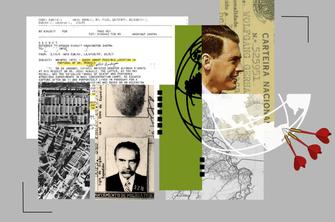
The article reflects on the historical pursuit of Nazi war criminal Josef Mengele, exploring the complexities and failures in bringing him to justice. It delves into the involvement of various governments, including the U.S. and Paraguay, in either pursuing or allegedly protecting Mengele. The narrative highlights the moral and ethical challenges faced by societies in confronting past atrocities and the enduring presence of evil within humanity. The piece concludes with a call to remember and guard against the darker aspects of human nature.
The article contains a mix of factual historical recounting and personal reflection, with some subjective interpretations.
The article critiques historical and political actions, focusing on justice and moral responsibility.
An investigative piece explores the author's encounter with a Persian rug merchant in Lisbon, suspected of collaborating with Iranian intelligence. The narrative unfolds with a tense meeting involving a mysterious figure, E.S., who appears unexpectedly, raising suspicions of surveillance. The author, driven by paranoia and fear, seeks a hacker's help to check for vulnerabilities in his devices. The story highlights the pervasive reach of Iranian intelligence, drawing parallels to past experiences in the Zagros mountains. The author expresses a desire to publish a book on Iranian intelligence activities in Portugal, emphasizing the courage required to confront the Islamic Republic of Iran.

The text is largely subjective, with personal experiences and interpretations.
The text criticizes the Iranian regime and highlights the need for awareness and action against its oppressive tactics.
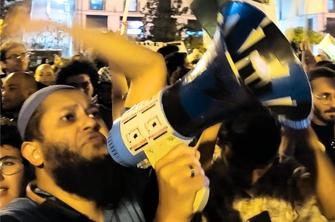
The article describes the author's experience with a pro-Hamas demonstration in Lisbon, highlighting the anti-Israel sentiments expressed by the protesters. The demonstration was ultimately canceled, but the author reflects on the hatred and violence associated with such protests. The narrative criticizes the portrayal of Hamas's actions as resistance and expresses disbelief at the inhumanity of celebrating violence against Israelis. The author grapples with the challenge of writing about such events, emphasizing the moral conflict and emotional turmoil experienced.
The text contains subjective statements and personal reflections on the events witnessed.
The text criticizes pro-Hamas demonstrations and expresses strong anti-terrorism sentiments.
The article explores the complex history of the Angolan Civil War, focusing on the involvement of Portuguese soldiers and the geopolitical dynamics of the Cold War. It delves into the personal narrative of the author's grandfather, a Portuguese socialist and anti-communist, and his experiences during the conflict. The piece highlights the roles of various factions, including the MPLA, FNLA, and UNITA, and the influence of international players like the CIA. It critiques the motivations and actions of key figures, such as Holden Roberto and Gilberto Santos e Castro, while reflecting on the broader implications of the war and its impact on those involved.
The article contains a mix of factual recounting and subjective interpretation, particularly in the portrayal of historical events and personal narratives.
The article reflects a critical view of U.S. and Western involvement in Angola, aligning with a Center-Left perspective.
Veja todos os 14 trabalhos com uma conta gratuita