توظيف الصحفيين

الناشرون وهيئات البث فرق تسويق المحتوى فرق العلاقات العامة والاتصال فرق المخاطر والاستخبارات ابحث عن صحفيين الرصد الإعلامي الأسعار

للصحفيين

وظائف صحفية أسعار الأجور أنشئ ملفك المجاني

نبذة عن Rakesh

Rakesh Kalshian صحفي مستقل مقيم في نيودلهي، الهند. يكتب عن التداخل المعقّد بين العلم والسياسة والطبيعة والثقافة والدين. خلال مسيرة مهنية امتدت لأكثر من عقدين، حاول تفكيك التشابكات المعقّدة بين العلم والمجتمع من خلال تقارير مثل السياسات المشبوهة المتعلقة بتغير المناخ، والمخاطر التي يواجهها العمال في أكبر ساحات تفكيك السفن في العالم في غوجارات، والتعفن والفساد في المؤسسة العلمية الهندية، وقمع السكان الأصليين في صناعات الاستخراج في الهند. بعيداً عن كتابة الأعمدة عن العلم ومنتقديه ومستاؤوه، يهتم بتفكيك الصلات بين الدول القومية والشركات والمؤسسات العالمية، بما في ذلك وسائل الإعلام والأوساط الأكاديمية والمنظمات غير الحكومية، في الألعاب الغامضة والمضلِّلة للجيوسياسة البيئية. حرّر كتابين عن الجانب المظلم لصناعة التعدين في الهند، وكتاب واحد عن سياسة الطاقة في جنوب آسيا. كان Kalshian British Chevening fellow في Westminster University عام 1998 وNieman fellow في Harvard University في 1999-2000. وهو عضو في International Consortium of Investigative Journalists (ICIJ) ومقرها في واشنطن العاصمة منذ 2001.

اللغات
الإنجليزية الهندية البنجابية الأردية
ظهر في
Downtoearth Caravanmagazine

الأعمال 30

A scrapbook of wonder

Down To Earth 22 أبريل 2024 English

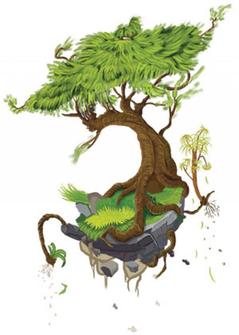
A review of Caspar Henderson’s A New Map of Wonders highlights the book’s exploration of wonder through science, philosophy, art and history, structured around seven themed sections linked by the idea of emergence. The reviewer emphasizes Henderson’s ability to deepen readers’ sense of wonder by presenting scientific ideas alongside cultural reflections and vivid anecdotes, illustrating how renewed curiosity can reconnect people with the natural world. The book is praised for its breadth, storytelling and thought‑provoking insights that encourage a richer engagement with life and the planet.

Books Science & Technology Philosophy Culture India Caspar Henderson Rakesh Kalshian Carl Sagan J Bronowski David Attenborough Martyn Evans Mazviita Chirimuuta
أسلوب التغطيةمتوازن

Mix of descriptive review and subjective interpretation
Plastic: How it became the ‘lubricant of globalisation’

Down To Earth 3 مارس 2022 English

Plastic evolved from a substitute for scarce or animal-derived luxury materials into a cheap, versatile driver of globalisation, but its persistence and chemical hazards have created a worldwide pollution and public-health crisis. Millions of tonnes enter the oceans annually, while recycling handles less than 10 percent of discarded plastic and exposes workers to dangerous conditions. The article argues that individual bans and conventional “Reduce, Reuse, Recycle” measures are insufficient, and that meaningful action requires recyclable designs, prevention of environmental leakage, safer raw materials and, above all, a challenge to disposable consumer culture.

Plastic Pollution Ocean Pollution Environmental Health Waste Management Globalisation Disposable Culture Global India Oceans Ellen MacArthur Foundation Centers for Disease Control and Prevention Plastic industry
أسلوب التغطيةتفسيري

Strongly critical of plastic pollution and disposable consumer culture, while drawing on scientific evidence and historical analysis.

Good or Bad? When It Comes to Food, It’s Not That Simple

Down To Earth 8 يونيو 2020 English

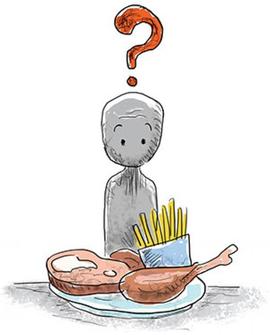
Research reviews have challenged long-standing claims that dietary fat and cholesterol directly cause obesity and heart disease, while retaining concern about artificially produced trans fats. The article explains that nutrition advice was heavily shaped by epidemiological studies, which show correlations but cannot establish causation, and that these findings were often presented to the public as certainties. Newer dietary guidelines based on randomized controlled trials may be more reliable, but the field’s history of reversals has weakened public trust. Moderation and dietary variety are offered as a more prudent approach than rigid rules.

Nutrition Science Dietary Fat and Cholesterol Dietary Guidelines Epidemiology Heart Disease Processed Foods United States India Centre for Science and Environment United States Dietary Guidelines Advisory Committee Indiana University School of Medicine Rakesh Kalshian
أسلوب التغطيةمتوازن

Mostly evidence-based analysis, with a skeptical and editorial perspective on nutrition science and dietary guidelines.

Good or bad? When it comes to food, it’s not that simple

Down To Earth 28 فبراير 2020 English

For decades, fat and cholesterol were considered harmful to health, leading to dietary guidelines that discouraged their consumption. However, recent research by US scientists has found no significant relationship between dietary cholesterol and blood cholesterol. This shift in understanding highlights the limitations of epidemiology, which can only show correlations, not causations. The new guidelines, based on randomized controlled trials, suggest that replacing fat with carbohydrates does not necessarily prevent heart disease. Despite these findings, the article advises a balanced approach to diet, emphasizing moderation.

Nutrition Health Dietary Guidelines United States India US scientists Indiana University School of Medicine Aaron E Carroll
أسلوب التغطيةمتوازن

Balanced discussion with some subjective statements and personal beliefs.

Science Tales

Down To Earth 5 فبراير 2020 English

Science Tales is a collection of essays examining how modern science intersects with gender, emotions, music, history and crime. It explores the evolving and often strained relationship between science and society, including insights produced by contemporary diagnostic tools and mathematical methods.

Science and Society Science and Culture Gender History Politics India Centre for Science and Environment Rakesh Kalshian Science Tales
أسلوب التغطيةإخباري

Mostly descriptive book copy, with mildly promotional language.

A new anthology touches upon most facets of Indian society

Downtoearth 3 سبتمبر 2018 English

The article reviews the anthology 'Alternative futures: India Unshackled', edited by Ashish Kothari and K J Joy, which compiles various visions for India's future from different activists and thinkers. The book covers a wide range of topics, including urban development, environmental activism, and socio-economic issues, with a focus on justice and ecological integrity. The review discusses the protests against tree cutting in New Delhi, the symposium on the 'Political Economy of Redevelopment', and the ideas of Italian architect Paolo Soleri. It also highlights the diverse dreams for India's future, such as conservation efforts that integrate human and wildlife habitats, Adivasi rights, legal system reforms, and sustainable village communities. The review points out the absence of climate change and science in the book's discourse, and it reflects on the role of utopias in society, suggesting that while they may not offer a single solution, they can inspire change and action.

Urban Development Environmental Activism Indian Society Utopian Ideals Anthology Review Climate Change Socio-Economic Issues India New Delhi Arizona Urban Arts Commission of Delhi Hazards Centre

All alien invasive species are guilty until proven innocent

Down To Earth 1 أغسطس 2018 English

The article discusses the controversial nature of invasive alien species, focusing on the vilayati kikar (Prosopis juliflora) in Delhi. Initially introduced by the British for its resilience, the plant has since been both praised for its utility and criticized for its ecological impact. The text explores the broader debate on whether alien species should be eradicated to restore native ecosystems or if they can play a beneficial role in the Anthropocene epoch. It highlights the shifting perspectives on ecological balance and the role of human intervention in shaping natural landscapes.

Environmental Conservation Invasive Species Ecology Delhi India Kenya UN Food and Agriculture Organization Kenyan government Fred Pearce Oliver Rackham
أسلوب التغطيةتفسيري

The text contains a mix of factual information and subjective statements, particularly regarding the perception of invasive species.

The theft of memories

Down to Earth (Hindi) 20 يوليو 2018 Hindi

Alzheimer’s disease is described as a growing global crisis with no cure, affecting millions worldwide and projected to rise sharply by 2050. Scientific understanding has advanced from its historical misconceptions to various modern theories involving beta-amyloid, tau tangles, genetic factors and immune responses, though no treatment has yet succeeded. India faces a significant patient burden due to its large elderly population. Lifestyle changes, including diet, exercise, cognitive engagement and social interaction, may offer limited protective effects, with some evidence from targeted interventions. The narrative also reflects on aging as a biological and philosophical process amid the ongoing struggle to understand and combat Alzheimer’s.

Alzheimer's disease Medical research Aging India United States China University of California, Los Angeles Iris Murdoch John Bayley Judy Dench Jim Broadbent Philip Pinel
أسلوب التغطيةإخباري

Mostly factual explanation of Alzheimer’s disease with minor interpretive elements

English versus local languages

Down to Earth Hindi 13 يوليو 2018 Hindi

Debate over using local languages instead of English to teach science in India highlights historical, cultural and practical barriers. Advocates argue that reliance on English limits intellectual leadership and burdens students, while critics cite India’s linguistic diversity, translation challenges and shortages of trained teachers. Examples from multilingual countries and global scientific language trends illustrate both potential and constraints. A proposed bilingual approach starting from early education could help, but its viability depends on political commitment and implementation capacity.

Education Language policy Science communication India Government of India UNESCO World Bank Narendra Modi K. Vijay Raghavan David Graddol Isaac Newton
أسلوب التغطيةمتوازن

Mix of factual discussion with interpretive and analytical viewpoints

السياق السياسيوسط

Discusses language policy and education without partisan framing

What India should look like in 2100

Down To Earth 30 يونيو 2018 English

The article discusses the vision for India's future, focusing on urban development, environmental conservation, and social justice. It highlights the controversy over tree cutting in New Delhi for redevelopment, sparking debates on class, power, and sustainability. The article references the book 'Alternative futures: India Unshackled,' which imagines various utopian futures for India, emphasizing justice and ecological integrity. It explores different perspectives on ideal cities, conservation, Adivasi rights, legal systems, and social structures, advocating for a comprehensive transformation to achieve greater justice, equality, and sustainability.

Urban Development Environmental Conservation Social Justice India New Delhi Jharkhand Urban Arts Commission of Delhi Hazards Centre Gram Sabha Ashish Kothari K J Joy Kartik Shankar
أسلوب التغطيةمتوازن

Mix of factual reporting and subjective analysis

السياق السياسيوسط

Advocates for social justice, environmental conservation, and radical social change

اعرض الأعمال كلها (30) بحساب مجاني

وظّف رسالة
×

سجّل لمراسلة Rakesh

هل لديك حساب بالفعل؟ تسجيل الدخول
هل تبحث عن عمل؟ سجّل كصحفي
وثّق بريدك الإلكتروني لإتمام التسجيل
لقد أرسلنا للتوّ رسالة إلكترونية إلى . يرجى التحقّق من صندوق الوارد والنقر على الرابط لتوثيق عنوان بريدك الإلكتروني وإتمام تسجيلك. وإذا لم تجد الرسالة، فتأكّد من التحقّق من مجلد البريد العشوائي أو غير المرغوب فيه.
لم تستلم البريد الإلكتروني؟

سجّل للاطّلاع على الملفات الشخصية

هل لديك حساب بالفعل؟ تسجيل الدخول
هل تبحث عن عمل؟ سجّل كصحفي
وثّق بريدك الإلكتروني لإتمام التسجيل
لقد أرسلنا للتوّ رسالة إلكترونية إلى . يرجى التحقّق من صندوق الوارد والنقر على الرابط لتوثيق عنوان بريدك الإلكتروني وإتمام تسجيلك. وإذا لم تجد الرسالة، فتأكّد من التحقّق من مجلد البريد العشوائي أو غير المرغوب فيه.
لم تستلم البريد الإلكتروني؟