Rising Abductions, Kidnappings and Human Trafficking in the Rohingya Refugee Camps: Addressing the Root Causes, Not Just the Symptoms
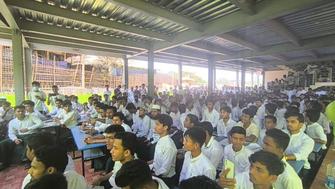
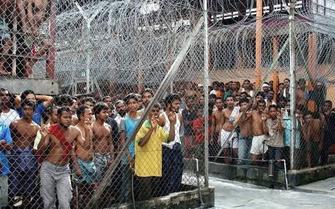
Rising kidnappings, trafficking, drug crime and recruitment into criminal groups in Rohingya refugee camps are linked to prolonged displacement, restricted movement, few livelihood options and continued persecution in Myanmar, particularly in Rakhine State. The article describes ransom abductions, dangerous sea journeys and the exploitation of unemployed young people, including children. It calls for expanded camp-based employment, education and vocational programmes; stronger investigations targeting the leaders and financiers of criminal networks; improved community protection and evidence handling; and cooperation among Bangladesh, humanitarian agencies, refugee leaders and international partners. It argues that arrests alone will not provide lasting security and that safe, voluntary, dignified repatriation requires significantly improved conditions in Myanmar.
Estilo de reportagemInterpretativo
Advocacy-oriented analysis argues that crime in the camps stems from structural conditions and recommends specific policy responses.
Contexto políticoCentro-esquerda
Focuses on structural causes, refugee protections, livelihood support and accountability without advancing a party-political position.