Ingaggia giornalisti

Editori ed emittenti Team di content marketing Team di PR e comunicazione Team di risk e intelligence Trova giornalisti Monitoraggio dei media Prezzi

Per i giornalisti

Offerte di lavoro nel giornalismo Tariffe Crea il tuo profilo gratuito

Su Rolando

Rolando Cartaya (L'Avana, 1952) si è laureato in Journalism alla University of Havana nel 1976. Ha lavorato per la sezione arti e cultura del quotidiano cubano Juventud Rebelde, per l'agenzia di stampa UPI, per il servizio Worldnet, e come redattore delle edizioni in lingua spagnola delle riviste Newsweek, Discover e Motor Trend. Ha tradotto in spagnolo più di 20 libri per l'editore cristiano Thomas Nelson, Inc. Con Radio Martí dal 1989 al 2019 ha ricoperto i ruoli di redattore, autore, reporter, inviato speciale e, dal 2001, direttore e sceneggiatore del programma "Sin Censores ni Censura" (Without Censors or Censorship), una presentazione quotidiana delle opere dei giornalisti cubani indipendenti. Dal 2012 al 2019 è stato anche redattore e autore per il sito martinoticias.com. È stato analista degli affari cubani in programmi radiofonici e televisivi. Attualmente lavora come giornalista investigativo presso la Foundation for Human Rights in Cuba. Alla fine degli anni 1980, mentre era ancora a Cuba, è stato uno dei vice presidenti del Cuban Committee for Human Rights, un'organizzazione che ha dato origine al movimento per i diritti umani sull'isola.

Lingue
spagnolo inglese
Visto su
Martinoticias

Lavori 3

The Security of Leaders and the Enigma of Salvador Allende’s Death

Martí Noticias 13 gen 2026 Spanish

Details claims by journalist Casto Ocando on alleged Cuban involvement in the failed U.S. operation to capture Nicolás Maduro and connects these assertions to historical patterns of Cuban intelligence activity. The article examines the deep role of Cuban operatives in Salvador Allende’s security during his presidency, focusing on infiltration, training, and influence by Cuban agents. Various narratives surrounding Allende’s death during the 1973 Chilean military coup are presented, ranging from the official suicide conclusion to theories of assassination involving Cuban operatives. Testimonies, forensic analyses, intelligence accounts, and conflicting historical reports highlight ongoing controversy regarding Allende’s final moments and Cuban influence in Chile. The narrative also explores the fate of key figures linked to Cuban intelligence, internal disputes over contested accounts, and the broader geopolitical implications of Cuba’s involvement in Latin American political movements.
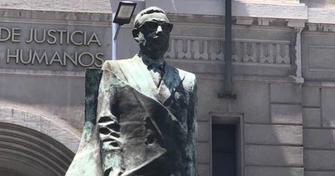
Cuban intelligence operations Death of Salvador Allende Chile 1973 military coup Venezuela political crisis Chile Cuba Venezuela Cuban Government CIA Chilean Government Unidad Popular Movimiento de Izquierda Revolucionaria (MIR)
Stile giornalisticoInterpretativo

Contains investigative claims, interpretations, and speculative historical analysis alongside factual recounting.

Contesto politicoDestra

Critical of Castroism, Cuban involvement abroad, and leftist revolutionary movements; frames events through an anti-Castro, anti-authoritarian lens.
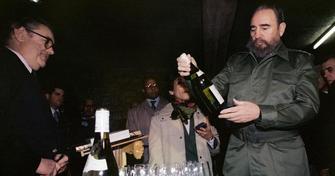
Fidel Castro: the secret pleasures of a preacher of egalitarianism

Martí Noticias 24 nov 2017 Spanish

Fidel Castro is depicted as living a life of extensive privilege that sharply contradicted his public image as a champion of egalitarianism. Testimony from former bodyguard Juan Reinaldo Sánchez details Castro’s private compounds, luxurious amenities, exclusive properties across Cuba, and hidden wealth managed through opaque financial networks. The report outlines the scale of his secluded residences, recreational facilities, elite medical care, and international spending, highlighting how these privileges contrasted with the austerity imposed on ordinary citizens. Accounts also describe extramarital relationships, secret travel arrangements, and ties to questionable financial dealings. The narrative portrays Castro as someone who preached revolutionary austerity while maintaining a lifestyle comparable to that of an unrestrained elite.

Cuban politics Fidel Castro Authoritarianism and corruption Cuba Zimbabwe North Korea Cuban Government CIMEQ Radio Martí Juan Reinaldo Sánchez Dalia Soto del Valle Raúl Castro
Stile giornalisticoInterpretativo

Strongly opinionated and critical tone, presenting subjective interpretations and moral judgments about Fidel Castro’s lifestyle and political hypocrisy.

Contesto politicoCentro-destra

The article takes a strongly anti-communist stance, emphasizing government corruption, authoritarianism, and hypocrisy.

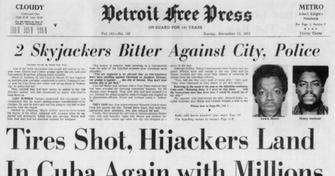
In Cuba They Sleep Well: Murderers, Kidnappers, Terrorists, the Fugitives from the US

Martí Noticias 23 giu 2017 Spanish

More than seventy fugitives from the United States, including individuals convicted or accused of murder, terrorism, hijacking, and major financial crimes, have lived under the protection of the Cuban government for decades. The article profiles key figures such as Assata Shakur, Charlie Hill, William Morales, Victor Gerena, and Ronald LaBeet, outlining their crimes, escapes, and lives in Cuba. Many were involved in extremist organizations including the Black Liberation Army, the FALN, and Los Macheteros. Several fugitives integrated into Cuban society with varying degrees of comfort, while others remained isolated or in obscurity. The text highlights how Cuba’s harboring of these individuals has intersected with diplomatic tensions, especially during periods of potential thaw in US–Cuba relations, and underscores the unresolved legal and political implications surrounding their continued presence on the island.

US–Cuba relations Fugitives and criminal cases Cold War–era political violence Cuba United States Puerto Rico FBI Black Liberation Army Fuerzas Armadas de Liberación Nacional (FALN) Los Macheteros Cuban government JoAnne Chesimard (Assata Shakur)
Stile giornalisticoEquilibrato

Primarily factual recounting of fugitives’ histories with some subjective framing and political tone.

Contesto politicoCentro-destra

Critical stance toward the Cuban government and sympathetic framing toward US law enforcement align with center-right perspectives.

Ingaggia Messaggio
×

Registrati per inviare un messaggio a Rolando

Hai già un account? Accedi
Cerchi lavoro? Registrati come giornalista
Verifica la tua email per completare la registrazione
Abbiamo appena inviato un'email a . Controlla la tua casella di posta e clicca sul link per verificare il tuo indirizzo email e completare la registrazione. Se non vedi l'email, assicurati di controllare la cartella spam o posta indesiderata.
Non hai ricevuto l'email?

Registrati per sbloccare i profili

Hai già un account? Accedi
Cerchi lavoro? Registrati come giornalista
Verifica la tua email per completare la registrazione
Abbiamo appena inviato un'email a . Controlla la tua casella di posta e clicca sul link per verificare il tuo indirizzo email e completare la registrazione. Se non vedi l'email, assicurati di controllare la cartella spam o posta indesiderata.
Non hai ricevuto l'email?