RB
Ryan Baxter
Business & Economy · United Kingdom
Covers
Business & Economy
Health & Wellness
Social Issues & Demographics
Investigations
Food & Drink
Environment & Climate
Seen in
Published work
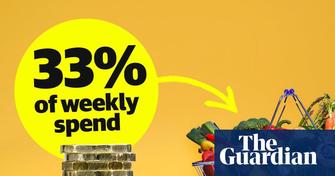
Is a Recommended Diet Affordable Any More?
How our food became so dependent on oil
Rising oil and energy costs have contributed to global food prices reaching their highest level in more than three years. Beyond transport and fertiliser, oil and gas are deeply integrated into the production of meat, processed staples, and fruit and vegetables, making food prices highly vulnerable to energy-market changes.
Why the UK Has a Food Security Problem
The UK’s domestic food production has fallen from more than 80% of consumption to 57%, leaving the country unable to produce enough food for its population. The video examines the factors behind this decline, the resulting risk of food shortages, and how the UK’s food security compares with that of other countries.
Why we're paying more for locally grown food than imports
British-grown apples can cost more in UK supermarkets than apples shipped thousands of miles, while imported bananas are often the cheapest fruit per kilogram. Josh Toussaint-Strauss investigates the supply-chain, production and supermarket economics behind this apparent contradiction.
I've lost my butt': How rapid weight loss can leave you with less muscle and more fat
Rapid weight loss from GLP-1 drugs such as Mounjaro and from yo-yo dieting may involve more than fat loss, including reductions in lean muscle mass and potentially greater fat regain. Experts argue that these concerns should be considered alongside the broader effects of modern dieting culture and the possible consequences for health in older age.
Why Do We Keep Building on Land at Risk of Flooding?
A Guardian investigation examines why one in nine new homes in England is being built on land at risk of flooding, often within existing planning rules. It explores how the system can allow developers to profit while homeowners bear the financial and practical costs of flooding.
Why Your Favourite Brands Are Suddenly Failing
The video explains how private equity has expanded across restaurants, retailers, veterinary practices and care homes, shifting businesses from long-term operation toward investment models focused on rapid returns. It links smaller portions, higher prices and poorer service to the financial pressures and restructuring associated with this model, while noting that inflation alone does not explain these changes.
How Google Maps Is Shaping Where We Eat
Josh Toussaint-Strauss investigates why highly rated restaurants with many reviews are disappearing from Google Maps and argues that the platform's results do not necessarily reflect what diners want to see. Social data scientist Lauren Leek discusses her frustration with the service and her decision to create an alternative map of London restaurants.
How the failures that caused Grenfell still exist today
More than eight years after the Grenfell Tower fire killed 72 people, companies, construction materials and regulatory practices linked to the disaster continue to influence housing safety in the UK and elsewhere. The video examines how deregulation, industry lobbying and corporate interests contributed to a preventable tragedy, and highlights concerns that some companies criticised by the public inquiry still receive substantial public contracts.
How illegal HMO properties are risking lives (and how Guardian readers can help)
Illegal houses in multiple occupation (HMOs) are placing vulnerable residents in cramped and squalid conditions, with at least one in four HMOs in England reportedly operating illegally. Poor housing contributes to illness and costs the NHS an estimated £1.4 billion annually, while a shortage of affordable housing worsens the crisis. The video examines the scale of the problem and highlights Canopy and Back on the Map, grassroots organizations seeking to improve housing and build stronger communities through a Guardian charity appeal.
How the beauty industry still profits from colonialism
The skin-lightening industry continues to grow despite longstanding evidence that unregulated products can cause cancer, irreversible skin damage and other serious health problems, particularly among women of colour. The video investigates how colonial legacies, classism and beauty-industry messaging have sustained demand for these products.
How the US is still removing Indigenous children from their families at alarming rates
Indigenous children continue to be removed from their families at disproportionately high rates despite the 1978 law intended to protect Native American families. In South Dakota, Native children make up 13% of the child population but 74% of children in foster care, reflecting the continuing effects of a child-welfare system shaped by a long history of forced assimilation and family separation.