Engager des journalistes

Éditeurs et diffuseurs Équipes de marketing de contenu Équipes RP et communication Équipes risques et renseignement Trouver des journalistes Veille médias Tarifs

Pour les journalistes

Offres d'emploi en journalisme Tarifs Créez votre profil gratuit

À propos de Samuel

Samuel Woodhams est chercheur au sein du groupe de défense des droits numériques et du site de comparaison de VPN Top10VPN. Basé à Londres, Royaume-Uni, il écrit à l'intersection de la technologie et de la politique, avec un accent particulier sur les coupures d'Internet, les droits numériques et la désinformation. Ses travaux ont été publiés dans CNN, Deutsche Welle, Just Security, World Politics Review, The Diplomat, Foreign Policy in Focus et MERIP, entre autres.

Langues
anglais
Vu dans
Techpoint The Globe Post TechRadar Inkl WIRED CNN Center for International Media Assistance Deutsche Welle Just Security The New Arab Al Jazeera Democracy in Africa | A Resource for the Study of Democracy in Africa Nextgov.com Quartz The Diplomat Allafrica News Context Defenseone Thisisplace

Travaux 88

Google quietly purged 362 shady Russian Chrome VPN extensions following TechRadar investigation — but the Chrome Web Store's 'whack-a-mole' continues

TechRadar 16 nov. 2026 English

Following a TechRadar investigation into 369 suspicious VPN extensions targeting Russian users, Google removed 362 from the Chrome Web Store, though Google did not confirm the removals were prompted by the investigation. Remaining extensions show similar warning signs, including brand impersonation, questionable privacy policies, and possible links to a threat actor. Security experts say browser VPN extensions generally configure proxies rather than provide system-wide protection, and may expose users to privacy risks or malicious activity. Russian censorship and the blocking of legitimate circumvention tools have increased demand for fakes. Users are advised to use a trusted full-device VPN or obtain extensions directly from verified providers.

VPN Security Online Privacy Internet Censorship Cybersecurity Google Chrome Web Store Russia RKS Global Rebecca Rosenberg Google Windscribe ExpressVPN NordVPN
Style rédactionnelInterprétatif

Mostly reported investigation and expert commentary, with clear recommendations and critical judgments about risky VPN extensions.

Contexte politiqueCentre

Focuses on digital security and censorship impacts without advocating a partisan political position.


This Chrome extension redirects your web searches to monetized results and was promoted by a VPN with 50 million downloads

TechRadar 13 nov. 2026 English

TechRadar found that Planet Search, a Chrome extension promoted through Planet VPN's desktop installer, changed users' default search provider and routed queries through intermediary sites to Yahoo results with commercial syndication tracking. The extension's store listing made claims about Google or Bing results that did not match TechRadar's tests, and its privacy policy said search-related data could be collected. The publication could not confirm whether Planet VPN earned revenue from the arrangement. After publication, Planet VPN said it had stopped promoting the extension following negative feedback and removed it because it was no longer pursuing that monetization approach; the company said installation required user approval and that existing users could still have the extension enabled.

Browser Extensions Online Privacy Cybersecurity VPN Monetization Search Engine Redirects Google Planet VPN Yahoo CodeFuel Planet Search Google Chrome Yahoo Search
Style rédactionnelInformatif

Primarily evidence-based technical reporting, with some critical framing about the privacy implications of search redirects.

‘It feels like malware’: This Chrome extension redirects your web searches to monetized results and was promoted by a VPN with 50 million downloads

TechRadar 9 nov. 2026 English

TechRadar's analysis found that the Planet Search Chrome extension changes Chrome's default search engine and routes queries through intermediary domains to Yahoo search results with commercial syndication parameters. Although the extension's store listing promises Google results and another page names Bing, TechRadar's tests consistently reached Yahoo. The outlet also found that a Planet VPN desktop installer prompted users to install Planet Search, and that the extension's privacy policy allows collection of search-query data. Such redirects may generate referral revenue from sponsored-ad clicks and expose search intent to third parties, though TechRadar could not confirm whether Planet VPN receives revenue. The report notes user complaints about removing the extension, says it has not verified whether current versions remain difficult to remove, and states that Free Planet VPN S.R.L. did not respond to a request for comment.

Online Privacy Cybersecurity VPN Services Search Engine Manipulation Online Advertising Google Free Planet VPN S.R.L. Yahoo CodeFuel Socket Planet Search Planet VPN
Style rédactionnelInformatif

Primarily a fact-based investigation, with some critical framing about privacy risks and the extension's behavior.

Expanding abroad is costing African startups more than they expected

Techpoint Africa 4 nov. 2026 English

A TLP Advisory study of 100 technology companies across six African countries finds that the US is commonly used for incorporation, the UAE for operational reach, and the UK for a combination of legal presence, teams, customers and regulatory licences. Yet establishing a base abroad does not ensure commercial success: founders face high marketing and compliance costs, customer-acquisition challenges, local competition and unfamiliar regulations. Moniepoint’s MonieWorld, launched to serve the UK-Nigeria remittance corridor, was discontinued after 18 months. Foreign fundraising can also prompt startups to move assets and intellectual property closer to investors, while limited local capital and few technology listings constrain African ownership and exits. The report and founders call for stronger local funding options, more compatible cross-border rules, practical business networks and partnerships that make international expansion commercially sustainable while retaining value and roots at home.

African startups International expansion Fintech Venture capital Cross-border payments Startup regulation Africa United Kingdom United States UK Department for Business, Innovation, Science and Trade Nigerian Exchange Limited Pan-African Payment and Settlement System
Style rédactionnelInformatif

Primarily reports findings and attributed views, while framing expansion costs and trade-offs as a central concern.

Why Cameroon subscribers are turning against MTN and Orange

Techpoint Africa 3 nov. 2026 English

Cameroonian subscribers boycotted MTN Cameroon and Orange Cameroun on October 30, 2026, over unreliable internet, dropped calls, and unexplained data deductions. The campaign echoes earlier protests, while the Telecommunications Regulatory Board has fined the operators and pressed them for measurable service improvements; power shortages, fuel delivery problems, and fibre cuts also contribute to outages. The suspension of Nexttel’s service has left consumers with fewer alternatives, and the boycott’s scale could not be independently verified. The digest also reports that Grey received a Nigerian licence to handle inbound remittances and that Airtel is expanding 5G capacity and network infrastructure in Kenya and Nigeria.

Telecommunications Mobile Network Service Quality Consumer Protests Cross-Border Payments 5G Networks Cameroon Nigeria Kenya Telecommunications Regulatory Board Central Bank of Nigeria Communications Authority of Kenya Camtel
Style rédactionnelInformatif

Mostly factual reporting, with some evaluative framing about service quality, competition, and the importance of turning commitments into improvements.

Africa Must Build Markets That Allow More People to Consume: Ventures Platform Founding Partner Kola Aina

Techpoint Africa 2 nov. 2026 English

Kola Aina argues that Africa’s prosperity depends on widening access to goods and services and building markets that enable more people to participate in the economy. He says the continent has abundant talent, but opportunity is uneven, and calls for stronger pathways to apply skills, develop companies, and reach customers. As venture funding tightens, he sees a more resilient startup ecosystem and urges founders to prioritize sound fundamentals, profitability, and problems that matter to customers rather than chasing investment trends. Aina also cautions against attributing most layoffs to AI, while expecting technology to change jobs and create new roles. He argues that investors should direct scarce capital toward businesses that meaningfully expand access and consumption.

African Economic Development Venture Capital African Startups Consumer Markets Technology and Artificial Intelligence Workforce and Talent Africa Nigeria Africa Prosperity Summit Kola Aina Akintunde Sultan Iyinoluwa Aboyeji
Style rédactionnelInformatif

Mostly reported interview and analysis, with advice and judgments attributed to Kola Aina.

Safaricom Expands M-PESA into Investments and Wealth Management

Techpoint Africa 2 nov. 2026 English

Safaricom is positioning M-PESA as a broader financial-services platform, adding money-market funds, share trading, Sharia-compliant investing, merchant tools and an integrated app. Its wealth services had 2.2 million active customers and KSh21.1 billion in assets under management by March 2026, while M-PESA’s transaction scale and merchant network provide a distribution base. The strategy depends on continued network investment and improved app reliability. Elsewhere, OPay withdrew its planned US IPO after an undisclosed foreign regulatory inquiry, leaving investors seeking clarity despite strong indications of demand. CredPal launched Atom, an investment platform for local and international securities and digital assets that also offers borrowing against eligible holdings; its prospects depend on building trust and managing the risks of loans backed by volatile assets.

Safaricom's expansion into wealth management Mobile money and digital payments Investment products and financial inclusion African fintech Technology infrastructure Kenya Nigeria Ethiopia Nairobi Securities Exchange Kenya Revenue Authority Securities and Exchange Commission Peter Ndegwa
Style rédactionnelÉquilibré

Mostly explanatory reporting, with some analysis and evaluative commentary about the companies’ strategies and risks.

"Shaking from head to toe" -- How the facial recognition blame game leaves shoppers stranded

TechRadar 29 oct. 2026 English

Shoppers wrongly flagged by facial-recognition systems in UK stores described distress, humiliation, and difficulty clearing their names. At a parliamentary meeting sponsored by Big Brother Watch, affected people sought answers, but Facewatch and Sainsbury's did not attend. Facewatch said it takes responsibility for its technology and processes while retailers are responsible for staff conduct, and argued that reported incidents can give a disproportionate impression of risk. Shoppers and advocates say there is little clarity about errors, liability, or redress; subject access requests are slow and do not guarantee removal from watchlists. MP Allison Gardner criticized the technology's implementation and governance and plans to raise accountability and remedies with ministers and companies.

Facial Recognition Digital Privacy Retail Surveillance Biometric Data Consumer Rights Data Protection United Kingdom London Stoke-on-Trent Big Brother Watch Information Commissioner's Office UK Parliament
Style rédactionnelInterprétatif

Critical and concerned reporting emphasizes the harms, poor governance, and lack of accountability while including the company's response.

Exclusive: Hundreds of Shady Chrome VPN Extensions Target Russians, Including Fakes of Windscribe and ExpressVPN

TechRadar 22 oct. 2026 English

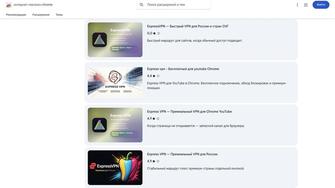
A TechRadar investigation identified 369 Russian-targeted VPN extensions on the Chrome Web Store that failed basic transparency checks, collectively attracting more than 218,000 users. More than 120 used names associated with legitimate brands, including copycats of Windscribe and ExpressVPN; 89 extensions previously flagged by Palo Alto Networks remained available. Anonymous developers, questionable privacy policies and possible review manipulation raise concerns because VPN extensions can access sensitive browsing data. The investigation found no evidence linking the extensions to Russian authorities, but notes that growing censorship and surveillance concerns make users in Russia especially vulnerable. Windscribe and ExpressVPN called for stronger verification, while Google had not responded by publication. The report recommends checking developers, policies and permissions and downloading extensions through providers' official websites.

VPN Security Online Privacy Cybersecurity Internet Censorship in Russia Chrome Extensions Russia Ukraine Unit 42 Cherlynn Cha Rebecca Rosenberg Windscribe ExpressVPN
Style rédactionnelInformatif

Primarily investigative and fact-based, with some cautionary language and recommendations.

Sainsbury's 'Dangerous' Facial Recognition Is Back, Months After Ejecting an Innocent Shopper—and There's No Way to Opt Out

TechRadar 16 oct. 2026 English

Sainsbury's has resumed Facewatch live facial recognition after pausing the system following the mistaken identification and ejection of shopper Matt Arnold. The retailer plans to expand the technology from two trial stores to 200 in 2026, citing an initial reported reduction in theft, abuse, and antisocial behavior. Facewatch says the system can help protect retail workers and argues that notices and contact details are provided, but customers are scanned before they can meaningfully opt out. Privacy advocates warn of false matches, blacklisting, and disproportionate biometric surveillance, while the article notes that customers without alternatives may be unable to avoid the system. Campaigns and a petition are pressing for government intervention, and Facewatch itself says it supports tighter regulation.

Facial Recognition Consumer Privacy Biometric Surveillance Civil Liberties Retail Security Shoplifting United Kingdom East Dulwich London Big Brother Watch Open Rights Group UK Government
Style rédactionnelInterprétatif

Critical and skeptical of supermarket facial recognition, emphasizing privacy risks and lack of meaningful opt-out, while also presenting the company's security rationale.

Voir les 88 réalisations avec un compte gratuit

Recruter Message
×

Inscrivez-vous pour envoyer un message à Samuel

Vous avez déjà un compte ? Se connecter
Vous cherchez du travail ? S'inscrire en tant que journaliste
Vérifiez votre e-mail pour finaliser l'inscription
Nous venons d'envoyer un e-mail à . Veuillez consulter votre boîte de réception et cliquer sur le lien pour vérifier votre adresse e-mail et finaliser votre inscription. Si vous ne voyez pas l'e-mail, pensez à vérifier votre dossier spam ou courrier indésirable.
Vous n'avez pas reçu l'e-mail ?

Inscrivez-vous pour débloquer les profils

Vous avez déjà un compte ? Se connecter
Vous cherchez du travail ? S'inscrire en tant que journaliste
Vérifiez votre e-mail pour finaliser l'inscription
Nous venons d'envoyer un e-mail à . Veuillez consulter votre boîte de réception et cliquer sur le lien pour vérifier votre adresse e-mail et finaliser votre inscription. Si vous ne voyez pas l'e-mail, pensez à vérifier votre dossier spam ou courrier indésirable.
Vous n'avez pas reçu l'e-mail ?