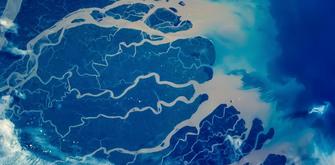
Ganga Waters Treaty at Crossroads: Why a Resilient River Basin Is Vital for India-Bangladesh Ties
The Ganges Water Treaty between India and Bangladesh is due to expire in December 2026 amid political strain, climate pressures and rising demand for water. The treaty has helped stabilise relations, but the article argues that negotiations must look beyond allocation to the river basin’s ecological resilience. Reduced dry-season flows, pollution, altered flooding and sediment disruption are worsening salinity, threatening agriculture, fisheries, wetlands, biodiversity and the Sundarbans. The Farakka Barrage is linked to upstream sediment build-up and flood risk, downstream sediment loss, and barriers to fish migration. Research on a proposed “safe operating space” found that four of ten rivers in the Bangladesh Delta exceeded ecological limits, with the others under caution. The author urges India and Bangladesh to use scientific evidence, coordinate across sectors and protect healthy river flows as part of treaty renewal.
Reporting styleInterpretive
Advocates for ecological safeguards and a resilient river basin alongside water-sharing diplomacy.
Political contextCentre
Focuses on cross-border water cooperation and ecological resilience without endorsing a party or ideological position.