الناشرون وهيئات البث فرق تسويق المحتوى فرق العلاقات العامة والاتصال فرق المخاطر والاستخبارات الصحفيون والمهنيون الإعلاميون الرصد الإعلامي الأسعار

نبذة عن Sharif

صحفي استقصائي | سارد بصري | مؤسس، One-Man Newsroom | بنغلاديش وجنوب آسيا | Ex-BenarNews/RFA Sharif Khiam Ahmed (Eon) يغطي حقوق الإنسان والفساد السياسي والصراعات عبر الحدود وأزمة اللاجئين الروهينغا من بنغلاديش وجنوب آسيا، بما في ذلك تغطية واسعة لانتفاضة يوليو 2024 وما تلاها. يشمل عمله الأخير مساهمة في The Fuller Project وفترة عمل كمنتج محلي لـ DW TV، إلى جانب أدوار سابقة كصحفي بصري لـ BenarNews / Radio Free Asia (RFA) وNetra News. وهو مؤسس One-man Newsroom، وهو نموذج منفرد لمؤسسة إخبارية. حائز على Edward R. Murrow Award (2021)، وTelly Award (2023)، ومرشح نهائي في New York Festivals TV & Film Awards (2021). يتقن البنغالية والإنجليزية، ويتحدث الهندية بمستوى محادثة. متاح لتغطية الأخبار العاجلة ومهمات المراسل الحر ومشاريع وثائقية/استقصائية أطول.

اللغات
البنغالية الإنجليزية الهندية
ظهر في
One-man Newsroom Rfa Benarnews

الأعمال 15

Why Tarique Rahman Declared ‘One-Point’ 13 Days Before Nahid Islam?

One-man Newsroom 28 يوليو 2026 English

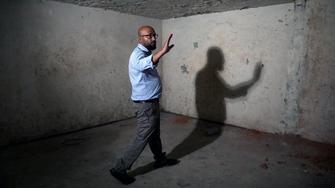
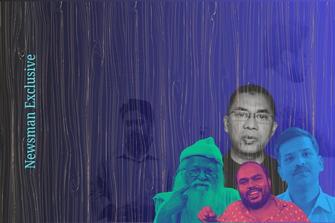
The article argues that Tarique Rahman called for Sheikh Hasina’s resignation on July 21, 2024—13 days before Nahid Islam formally announced the student movement’s one-point demand—because he was receiving detailed information about the uprising through journalist Sayed Khan. Khan says he built a network that captured internal police radio communications, tracked deaths and hospital morgues, and supplied Rahman with updates every two hours despite the internet blackout. He describes his subsequent arrest and interrogation as an attempt to portray his journalistic contact with Rahman as sabotage. The article also examines competing interpretations of the one-point demand: Farhad Mazhar views it as an externally encouraged effort that prevented deeper structural change, while activist Mahathero Muhammad sees it as an organic popular development. BNP figures credit Rahman and party activists with helping bring down Hasina, whereas others dispute the party’s role and warn against anyone claiming sole ownership of the uprising’s victory.
Bangladesh July Uprising Tarique Rahman’s One-Point Demand Sheikh Hasina’s Government Internet Blackout and Media Censorship Political Credit for the July Movement Journalistic Newsgathering Under Repression Bangladesh Dhaka London Bangladesh Nationalist Party Awami League Students Against Discrimination
أسلوب التغطيةمتوازن

Investigative and evidence-oriented, but it gives substantial prominence to partisan claims and presents a sympathetic account of Tarique Rahman’s role.

السياق السياسييمين الوسط

The article is broadly sympathetic to the BNP and Tarique Rahman, strongly critical of Sheikh Hasina and the Awami League, while including counterarguments from left-leaning and student voices.
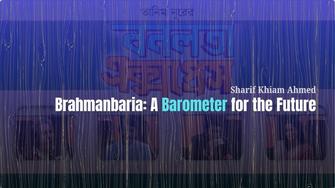
From Cultural Capital to Cinema-Less District

One-man Newsroom 31 مايو 2026 English

Brahmanbaria’s shift from a culturally significant district to one without functioning cinemas reflects the growing influence of hard‑line Islamist groups and the state’s unwillingness to protect public cultural expression. The obstruction of the film Bonolota Express by madrasa-based activists highlights shrinking civic space, the erosion of cultural institutions, and the growing political power of Islamist actors in Bangladesh following national political shifts. Local authorities repeatedly halted screenings under pressure, reinforcing an environment where cultural rights are subordinate to religious mobilization. The region’s rich artistic heritage now contrasts sharply with increasing cultural intimidation, land-grabbing threats against historical institutions, and a broader national pattern of anti-cultural violence, underscoring the fragility of public culture amid rising religious conservatism.

Bangladesh politics Cultural suppression Cinema closures Religious extremism Brahmanbaria Bangladesh India Hefazat-e-Islam Qawmi Chhatra Oikya Parishad Jamiat Ulema-e-Islam Bangladesh Bangladesh Nationalist Party Brahmanbaria Film Society
أسلوب التغطيةتفسيري

Commentary with strong subjective analysis and argumentation

السياق السياسييسار الوسط

Critical of rising Islamist political influence and supportive of cultural freedoms

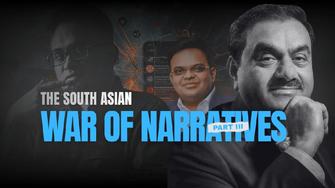
How Corporate Capital is Shaping a Regional Crisis

One-man Newsroom 27 يناير 2026 English

Corporate influence intertwined with political interests in India has intensified tensions with Bangladesh following the fall of the Sheikh Hasina government. Analysts argue that major business groups aligned with India’s ruling party, particularly the Adani and Ambani conglomerates, shape media narratives and political strategies affecting regional dynamics. Bangladeshi officials cite widespread editorial bias in Indian media, while interviews highlight the consolidation of media ownership within pro-government corporate networks. Cricket governance has also become a political tool, with ICC decisions linked to influential business-political relationships. Bangladesh’s interim government faces mounting economic pressure from energy agreements with Adani Power, prompting calls for arbitration amid allegations of corruption. As disinformation escalates ahead of Bangladesh’s national election, Dhaka seeks international support and increases monitoring of Indian media. The article underscores how corporate capital, political interests, and media ecosystems collectively shape the deteriorating India–Bangladesh relationship.

India–Bangladesh relations Media influence Corporate power Political tensions Cricket governance India Bangladesh South Asia Bharatiya Janata Party Bangladesh Government ICC BCCI
أسلوب التغطيةتفسيري

Strong interpretive framing and analysis but grounded in factual reporting and interviews.

السياق السياسييسار الوسط

Critical of corporate-political nexus and media capture, supportive of transparency and institutional neutrality.

How Bangladesh Became a Campaign Issue in India

One-man Newsroom 23 يناير 2026 English

Indian media narratives following the fall of Sheikh Hasina are increasingly framing Bangladesh as unstable, feeding BJP electoral strategy in West Bengal by linking Bangladeshi unrest to threats against Bengali Hindus. Analysts argue that this messaging aligns with the RSS-driven push toward a centralized Hindu-majoritarian identity and leverages fears of demographic change. Bangladeshi officials and researchers accuse parts of the Indian media of coordinated exaggeration, while also acknowledging real but smaller-scale incidents of violence against minorities in Bangladesh. Rising cross-border tensions have led to reciprocal hostility, including attacks on Bangladeshi Hindus, profiling of Bengali-speaking individuals in India, and politicization of minority violence statistics. Corporate and political interests further amplify the crisis through competing media ecosystems in both countries. The article highlights structural weaknesses in Bangladeshi journalism, the role of market incentives in Indian media, and the deepening information war shaping India–Bangladesh relations ahead of key elections.

India–Bangladesh relations Elections Media influence Communal tensions India Bangladesh West Bengal RSS BJP Awami League Bangladesh National Party Government of Bangladesh
أسلوب التغطيةمتوازن

Contains analysis and quoted viewpoints mixed with factual reporting

Why Hasina’s fall is a Strategic Shock for India

One-man Newsroom 17 يناير 2026 English

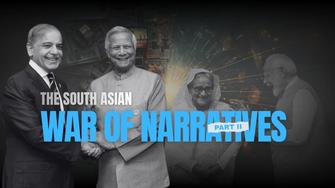
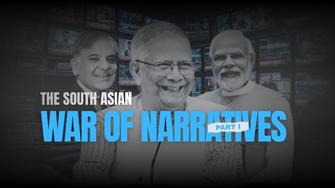
Rising anti-India sentiment in Bangladesh following Sheikh Hasina’s ouster has reshaped regional dynamics, straining diplomatic, military, and media relations. Bangladesh’s interim government under Muhammad Yunus faces hostile coverage from Indian media, which frames political changes as instability or Islamist takeover. Growing ties between Bangladesh, China, and Pakistan add to India’s strategic anxiety, while violent incidents deepen bilateral tensions. Sports, media narratives, and domestic political reactions in India further inflame divisions. A growing information war, fueled by nationalist sentiment and misconceptions across borders, now shapes South Asia’s geopolitical landscape.

India–Bangladesh relations Media influence Political unrest Bangladesh India South Asia Awami League Bangladesh Army Bangladesh Cricket Board International Criminal Court Republic TV Bangla Bharatiya Janata Party
أسلوب التغطيةتفسيري

Contains factual reporting with extensive subjective interpretation and political commentary.

السياق السياسييسار الوسط

Critiques nationalist media, highlights human rights, diplomacy, and misinformation concerns.

The Journalist the Generals Couldn’t Silence

One-man Newsroom 27 ديسمبر 2025 English

Tasneem Khalil’s return to Bangladesh under an interim administration highlights renewed scrutiny of the military and intelligence agencies after years of enforced disappearances, torture, and political repression. His outlet Netra News has exposed secret detention centers and extrajudicial killings previously denied by political leaders, contributing to unprecedented accountability efforts, including the conviction of former prime minister Sheikh Hasina. Despite operating under Swedish legal protections, Tasneem and his team face opposition from military officials and government bodies that dispute their reporting. Civil society figures argue that entrenched military influence continues to obstruct democratic oversight and press freedom, though the post-2024 political shift has enabled broader discussion of deep‑state abuses. Khalil’s experiences of torture in 2007, his long exile, and his continued investigative work underscore the dangers faced by journalists confronting state power, while ongoing debates over disbanding or reforming agencies like DGFI and RAB reveal tensions in Bangladesh’s struggle for transparency, civilian control, and democratic resilience.

Press freedom Human rights abuses Bangladesh politics Military repression Bangladesh Sweden United States DGFI RAB Bangladesh government International Crimes Tribunal OHCHR
أسلوب التغطيةتفسيري

Contains strong viewpoints and subjective interpretations alongside factual reporting of events

السياق السياسييسار الوسط

Focuses on human rights, military accountability, and press freedom with critical stance toward authoritarian governance

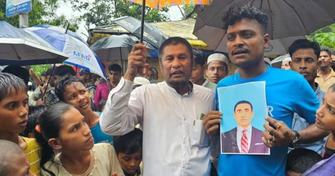
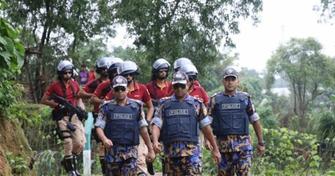
Border guards who fled Myanmar tell of losing contact with commanders

Radio Free Asia 9 فبراير 2024 English

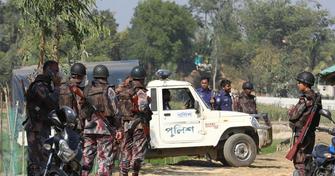
More than 300 members of Myanmar’s Border Guard Police and army crossed into Bangladesh after losing communication with commanders during intense clashes with the Arakan Army in Rakhine state. The group reported being encircled and attacked before fleeing and expressed a desire to return home. Bangladesh allowed their entry on humanitarian grounds and agreed to repatriate them by sea following discussions with Myanmar officials. Fighting between junta forces and the Arakan Army has escalated, leading to territorial gains for the rebels and displacement of civilians, while Bangladesh has reinforced its border and reiterated it will not accept new refugees, including Rohingya attempting to flee the violence.

Myanmar conflict Refugees Border security Myanmar Bangladesh Rakhine State Border Guard Bangladesh Myanmar Border Guard Police Arakan Army Awami League Mohammad Saiful Islam Maj. Gen. Mohammad Ashrafuzzaman Siddiqui
أسلوب التغطيةوقائعي

Straight factual reporting on conflict events

In Bangladesh, stateless Rohingya turn traditional ballads into songs of protest

Radio Free Asia 25 أغسطس 2023 English

Rohingya refugees in Bangladesh are transforming traditional Tarana Geet ballads into expressions of political protest, reflecting grief over displacement, violence in Myanmar, and harsh camp conditions. Singers and activists use the songs to strengthen community identity and commemorate figures like slain leader Muhib Ullah. Efforts to preserve the music are growing through local cultural centers, individual archivists, and international organizations, though recordings remain limited. The evolving protest music underscores both the community’s trauma and its attempts to maintain cultural continuity in exile.

Rohingya crisis Refugees Protest culture Genocide Bangladesh Myanmar Cox’s Bazar Arakan Rohingya Society for Peace and Human Rights Rohingya Cultural Memory Center International Organization for Migration United States government Myanmar military
أسلوب التغطيةإخباري

Mostly factual reporting with some descriptive and quoted opinions from sources

السياق السياسيوسط

Covers political repression and refugee issues without taking an ideological stance

Refugees: ARSA rebels threaten Rohingya leaders who push for repatriation

Radio Free Asia 25 أغسطس 2022 English

Rohingya refugees in Bangladesh report escalating threats and violence from the Arakan Rohingya Salvation Army, which targets pro-repatriation community leaders. The killing of prominent activist Muhib Ullah heightened fears and confirmed ARSA’s presence in the camps. Community leaders, teachers, and security volunteers face intimidation and attacks, while police and thousands of Rohingya volunteers attempt nightly patrols. Human rights groups criticize inadequate protection and highlight growing risks for those opposing crime and advocating repatriation. UN officials call for accountability for atrocities against Rohingya, as tensions persist amid restrictions on movement and fears of forced recruitment by armed groups.

Rohingya crisis Refugees Violence in camps Myanmar conflict Bangladesh Myanmar Rakhine State ARSA ARSPH UN UNHCR Bangladesh Police
أسلوب التغطيةإخباري

Reporting includes some subjective statements from sources but is primarily factual.

السياق السياسيوسط

Focuses on human rights and security issues without political advocacy.

Bangladesh to Regulate Facebook, YouTube Users, Minister Says

BenarNews 30 أكتوبر 2019 English

Bangladesh plans to require licenses for social media users and has installed technology that Telecommunications Minister Mustafa Jabbar says can block or remove content within the country. The proposals have drawn criticism from academics and media activists, who fear they could suppress journalism, dissent and freedom of expression. Jabbar defended the measures as content control rather than a shutdown of social platforms, but said the government would act against comments about the 1971 independence war and founding leader Sheikh Mujibur Rahman. The plans come amid criticism of Bangladesh’s vague Digital Security Act and previous restrictions on online news and internet access in Rohingya refugee camps.

Social Media Regulation Internet Censorship Freedom of Expression Digital Security Law Rohingya Refugees Bangladesh Myanmar Rakhine State Bangladesh government Amnesty International Chittagong University Mustafa Jabbar
أسلوب التغطيةإخباري

Predominantly factual reporting, incorporating critical assessments and quoted concerns from analysts and rights advocates.

السياق السياسيوسط

Straight news coverage presents government policy and criticism from analysts and rights advocates without adopting a clear partisan position.

سجّل مجاناً لرؤية الأعمال الـ15 كلها

وظّف رسالة
×

سجّل لمراسلة Sharif Khiam

هل لديك حساب بالفعل؟ تسجيل الدخول
هل تبحث عن عمل؟ سجّل كصحفي
وثّق بريدك الإلكتروني لإتمام التسجيل
لقد أرسلنا للتوّ رسالة إلكترونية إلى . يرجى التحقّق من صندوق الوارد والنقر على الرابط لتوثيق عنوان بريدك الإلكتروني وإتمام تسجيلك. وإذا لم تجد الرسالة، فتأكّد من التحقّق من مجلد البريد العشوائي أو غير المرغوب فيه.
لم تستلم البريد الإلكتروني؟

سجّل للاطّلاع على الملفات الشخصية

هل لديك حساب بالفعل؟ تسجيل الدخول
هل تبحث عن عمل؟ سجّل كصحفي
وثّق بريدك الإلكتروني لإتمام التسجيل
لقد أرسلنا للتوّ رسالة إلكترونية إلى . يرجى التحقّق من صندوق الوارد والنقر على الرابط لتوثيق عنوان بريدك الإلكتروني وإتمام تسجيلك. وإذا لم تجد الرسالة، فتأكّد من التحقّق من مجلد البريد العشوائي أو غير المرغوب فيه.
لم تستلم البريد الإلكتروني؟