الناشرون وهيئات البث فرق تسويق المحتوى فرق العلاقات العامة والاتصال فرق المخاطر والاستخبارات الصحفيون والمهنيون الإعلاميون الرصد الإعلامي الأسعار

نبذة عن Sophio

صحفي ماهر وكاتب نصوص يتقاضى أجرًا مرتفعًا بخبرة 15+ عاماً في الإعلام والاتصالات. خبرة واسعة في العمل تحت ظروف قصوى في مواضيع ذات أهمية عالمية، بما في ذلك التغطية المباشرة للهجمات الإرهابية و الاحتجاجات الجماهيرية. فهم قوي للاقتصاد العالمي وتطوير الأعمال من منظور محلي وإقليمي ودولي. ذو خبرة في الاتصالات التجارية وعلاقات العملاء، وإنتاج محتوى عالي الجودة باللغتين الجورجية والإنجليزية.

اللغات
الجورجية الإنجليزية الروسية
ظهر في
Realpolitika Euronews The Sun

الأعمال 5

In Georgia, farmers worry about a surplus of wheat that cannot be sold

Euronews 26 مايو 2023 French

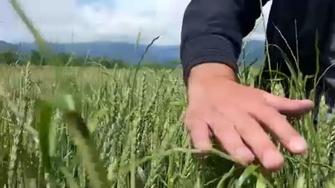
Georgian farmers face an unsellable surplus of wheat as cheaper Russian flour reduces domestic demand, leaving local mills idle and last year’s harvest still in storage. Rising land rental costs and dependency on Russian agricultural imports worsen the situation. With a new harvest approaching, farmers have no space to store crops, while authorities search for solutions that will avoid raising bread prices.
Agriculture Economic Impact of War in Ukraine Russia–Georgia Trade Relations Georgia Russia Ukraine Georgian Association of Wheat and Flour Producers Georgian Ministry of Agriculture Levan Silagava Mindia Gushikashvili Sopo Makatsaria Wheat
أسلوب التغطيةوقائعي

Primarily factual reporting with no visible subjective or persuasive language.

A video report on how representatives of different religious denominations in Georgia prayed for Ukraine. The report was filmed and produced by Sophio Makatsaria, both technically and editorially.

فيديو YouTube

The joint programme “Perspective” by Euronews affiliated newsrooms. From 26:16, the report by Sophio Makatsaria on the inflation rate in Georgia is featured, followed by the author’s live appearance in the studio.

فيديو YouTube

Geopolitical Melomania – What Has the Institutionalization of Korean Pop Brought?

RealPolitika Georgian

South Korea transformed its global standing through a deliberate strategy of institutionalized cultural production, turning K-pop, dramas, cinema and cuisine into tools of hybrid power. Beginning in the late 1990s, the government invested heavily in creative industries, enabling the rise of the “Hallyu” wave, which reshaped international perceptions and expanded Korea’s diplomatic, economic and strategic reach. Entertainment companies such as SM Entertainment created highly trained cultural ambassadors whose global appeal opened markets for major Korean brands. Korean culture strengthened relations with the United States, Europe and Southeast Asia, improved people‑to‑people ties with Japan, and raised concerns in China, which responded with censorship. Cultural influence now operates as a form of geopolitical leverage for South Korea, helping the country diversify alliances, boost trade and reframe its national image from a conflict‑prone peninsula to a dynamic global cultural leader.

Korean soft power Cultural diplomacy Geopolitics K-pop industry South Korea Japan China South Korean Ministry of Foreign Affairs United Nations Time Magazine British Monarchy Chinese Government
أسلوب التغطيةمتوازن

Mix of factual geopolitical analysis with interpretive commentary on cultural influence.

السياق السياسيوسط

Analytical discussion of soft power and geopolitical strategy without partisan framing.

Freedom Does Not Come Easily for Armenia | Sofo Makatsaria’s Opinion

RealPolitika Georgian

Armenia is undergoing a major geopolitical and political transformation, shifting away from Russia and moving rapidly toward Western integration, including plans to apply for EU membership by 2026 and the adoption of a visa liberalization roadmap. This shift accelerated after Russia failed to support Armenia during the 2020 conflict, prompting the search for alternative security and political partnerships. A key milestone was the 2025 Washington declaration between Armenia and Azerbaijan, mediated by the United States, which outlined commitments to peaceful relations, border delimitation, communication reopening, and broader cooperation. Armenia is engaging more actively with Türkiye and pursuing economic reforms aligned with Western models. However, despite foreign policy progress, domestic concerns have emerged over Prime Minister Nikol Pashinyan’s perceived authoritarian tendencies, including confrontations with the Church, pressure on institutions, and harsh responses to protests. This tension between democratic aspirations and centralizing tendencies forms the core challenge that will determine whether Armenia consolidates democracy or reverts to centralized power.

Armenia–EU relations Armenia domestic politics Armenia–Azerbaijan peace process Geopolitical realignment Armenia Azerbaijan European Union Armenian Government United States Government Russian Government Collective Security Treaty Organization (CSTO) Armenian Apostolic Church
أسلوب التغطيةتفسيري

Heavily analytical and interpretive, containing subjective evaluations about political trajectories and democratic risks.

السياق السياسييسار الوسط

Supports liberal democratic values, EU integration, institutional freedom, and critiques authoritarian tendencies

صحفيون آخرون في Tbilisi

عرض جميع الصحفيين في Tbilisi
وظّف رسالة
×

سجّل لمراسلة Sophio

هل لديك حساب بالفعل؟ تسجيل الدخول
هل تبحث عن عمل؟ سجّل كصحفي
وثّق بريدك الإلكتروني لإتمام التسجيل
لقد أرسلنا للتوّ رسالة إلكترونية إلى . يرجى التحقّق من صندوق الوارد والنقر على الرابط لتوثيق عنوان بريدك الإلكتروني وإتمام تسجيلك. وإذا لم تجد الرسالة، فتأكّد من التحقّق من مجلد البريد العشوائي أو غير المرغوب فيه.
لم تستلم البريد الإلكتروني؟

سجّل للاطّلاع على الملفات الشخصية

هل لديك حساب بالفعل؟ تسجيل الدخول
هل تبحث عن عمل؟ سجّل كصحفي
وثّق بريدك الإلكتروني لإتمام التسجيل
لقد أرسلنا للتوّ رسالة إلكترونية إلى . يرجى التحقّق من صندوق الوارد والنقر على الرابط لتوثيق عنوان بريدك الإلكتروني وإتمام تسجيلك. وإذا لم تجد الرسالة، فتأكّد من التحقّق من مجلد البريد العشوائي أو غير المرغوب فيه.
لم تستلم البريد الإلكتروني؟