Journalisten engagieren

Verlage & Sender Content-Marketing-Teams PR- & Kommunikationsteams Risiko- & Intelligence-Teams Journalisten finden Medienbeobachtung Preise

Für Journalisten

Stellenangebote im Journalismus Honorare und Tarife Kostenloses Profil erstellen

Über Susan

Susan Schulman ist eine preisgekrönte Video-/Foto- und Printjournalistin. Ursprünglich als bildende Künstlerin ausgebildet, zog Schulman 1990 von ihrer Heimat New York nach London und arbeitete als Filmemacherin und Redakteurin, bevor sie 2000 ganz zur Fotojournalistik und 2008 zum Videojournalismus wechselte. In den vergangenen fifteen Jahren hat sie viele der vergessenen Tragödien der Welt dokumentiert, von den Schrecken der Geburt in Sierra Leone und Kindersoldaten im Sudan bis hin zur elenden Lage der Goldsucher im Amazonasbecken. Durch ihre charakteristisch offene und humane Perspektive hat sie auch Soldaten und Zivilisten festgehalten, die in einige der bedeutenden Konflikte des Jahrzehnts verwickelt waren, insbesondere an den Fronten in Irak, Afghanistan, Darfur, Somalia und der Demokratischen Republik Kongo. Ihre Arbeiten wurden in den weltweit führenden Print- und visuellen Medien gezeigt, darunter The New York Times, The Financial Times, The Guardian, Architectural Digest (France), the Atlantic, VICE, PBS, BBC und Channel Four. Sie erhielt zahlreiche Aufträge von führenden internationalen Organisationen wie United Nations High Commission for Refugees, the World Food Programme und Marie Stopes International sowie Britain’s Department for International Development. Sie erhielt (gemeinsam mit Ed Caesar) Amnesty International UK’s begehrten Media Award (2010) für ihren erschütternden Bericht über Krieg und Leid in der Region der Großen Seen Afrikas, ‚Congo – The Horror‘, der in GQ magazine erschien. Sie ist regelmäßige Beiträgerin des britischen Magazins Delayed Gratification.

Sprachen
Englisch Französisch
Gesehen in
The New Humanitarian Daily Maverick The Guardian Slow Journalism The Telegraph Vice Asiapacificreport

Arbeiten 45

Syrian sarin gas attack horror endures 13 years on

Daily Maverick 21. Aug. 2026 English

Thirteen years after the 2013 sarin attack on Eastern Ghouta, survivors and their families continue to live with severe physical injuries, disability, trauma and bereavement, often without specialist care or assistance. The report follows families in Jobar and Zamalka and a survivor of the 2017 Khan Sheikhoun attack, documenting how the effects persist across generations. Following Bashar al-Assad's flight in 2024, Syria's new authorities have uncovered chemical-weapons stocks and arrested 18 suspects, but no one has stood trial and victims are not included in the case being assembled. Survivors welcome the prospect of prosecutions but condemn years of international inaction and say justice must also include treatment and support.

Syrian Civil War Sarin Gas Attacks Chemical Weapons War Crimes and Accountability Long-Term Trauma and Health Effects Syria Eastern Ghouta Khan Sheikhoun Syrian government Organisation for the Prohibition of Chemical Weapons Justice for Victims Association United Nations
BerichtsstilInterpretierend

Investigative reportage grounded in survivor testimony and documented events, but uses emotive language and conveys strong criticism of failures to provide justice and care.

Politischer KontextMitte-links

Focuses on accountability for state violence and humanitarian support for survivors, without advancing a broader partisan program.
Syrian Sarin Gas Attack Horror Endures 13 Years On

Daily Maverick 21. Aug. 2026 English

Thirteen years after the 2013 sarin attacks on Eastern Ghouta, Syrian survivors and their children continue to suffer debilitating physical injuries, neurological conditions, psychological trauma and poverty without specialist treatment or compensation. Families describe destroyed communities, persistent fear and the burden of caring for disabled children. Investigators under Syria’s post-Assad government have reportedly uncovered chemical-weapons stockpiles and arrested 18 suspects, but no one has stood trial, and victims have been excluded from the emerging case. Survivors welcome the arrests but demand prosecutions, medical care and recognition of their lifelong injuries, while condemning Bashar al-Assad, the international community and the failure to enforce accountability after both Ghouta and the 2017 Khan Sheikhoun attack.

Syrian Civil War Sarin Gas Attacks Chemical Weapons War Crimes and Accountability Long-Term Trauma and Disability Humanitarian Crisis Syria Eastern Ghouta Khan Sheikhoun Organisation for the Prohibition of Chemical Weapons Justice for Victims Association Syrian government
BerichtsstilAusgewogen

Investigative reporting grounded in testimony and documented events, but shaped by strongly emotional and critical language about impunity and international abandonment.

Politischer KontextMitte-links

Human-rights-focused investigative reporting that criticizes state violence, impunity and international inaction without advancing a strongly partisan ideological program.

The Show Must Go On: Ukraine’s Circus in Wartime

Daily Maverick 31. Dez. 2025 English

The National Circus of Ukraine in Kyiv continues performances despite Russia’s invasion, using Soviet-built shelters during air alerts and maintaining its animals and shows for audiences, including veterans and children. Its long cultural history makes it a symbol of Ukrainian identity and resilience. The photo essay follows performers and staff through rehearsals and performances, including tiger trainer Yulia Kozyreva, whose husband Mikola died after collapsing in the ring, and circus doctor Nikolai Androssov, who served as a military medic and now finds comfort in the circus community. The account highlights the war’s personal toll and the circus’s determination to carry on.

Ukraine War Circus Ukrainian Culture and Identity War and Resilience Veterans and Trauma Ukraine Kyiv Russia National Circus of Ukraine Russian government Ukrainian military International Women’s Media Foundation
BerichtsstilInformativ

Primarily reported photojournalism, with an empathetic emphasis on the circus as a symbol of Ukrainian resilience.

Chad — Polio’s Final Frontier

Daily Maverick 11. Juni 2025 English

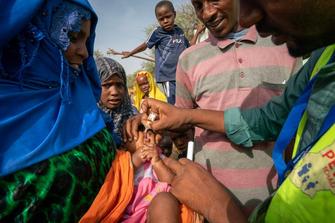
Chad is a critical frontier in polio eradication, where conflict, climate-driven displacement, porous borders, poverty and weak infrastructure make it difficult to find and vaccinate children. A coordinated April 2025 campaign across five Lake Chad Basin countries aimed to immunise 83 million children, but local teams report rising populations, fewer staff and vehicles, and communities they cannot reach. These gaps increase the risk of undetected transmission across borders and beyond the region. The article argues that US cuts to global health funding threaten vaccination, surveillance and the wider eradication effort, potentially increasing infections and paralysis worldwide. Despite severe constraints, vaccinators continue their work, though they cannot reach every child.

Polio vaccination Global health security Conflict and displacement Climate change US foreign aid cuts Food insecurity Chad Lake Chad Basin Sahel World Health Organization Global Polio Eradication Initiative United States government
BerichtsstilInterpretierend

An advocacy-oriented op-ed that combines reported evidence with persuasive warnings about the risks of funding cuts and the need to sustain vaccination.

Chad — Polio’s final frontier

Daily Maverick 11. Juni 2025 English

Chad is a critical battleground in the global fight against polio, facing challenges from conflict, climate change, and funding shortages. The Lake Chad Basin, plagued by insecurity and displacement, is a hotspot for polio transmission. Despite coordinated regional efforts to vaccinate millions of children, the campaign is threatened by reduced resources and the withdrawal of US funding. The situation underscores the interconnectedness of global health security, with the potential for polio resurgence posing a threat worldwide. The article highlights the resilience of vaccination teams amid these adversities.

Polio Eradication Global Health Security Conflict and Climate Crisis Chad Lake Chad Basin Cameroon World Health Organization Global Polio Eradication Initiative US Centres for Disease Control Unicef Adam Bari Hawa bi Shara
BerichtsstilAusgewogen

The article presents a mix of factual reporting and subjective analysis, highlighting challenges and opinions on polio eradication efforts.

You Can Now Subscribe to VICE Magazine

VICE 1. Mai 2025 English

VICE is offering subscriptions as its print magazine returns in 2026 after a seven-year hiatus. A $70 annual print-and-digital plan includes four quarterly issues and access to members-only content; digital-only access costs $20 per year or $2 per month and includes exclusive documentaries, features, and columns. The summer 2026 issue is sold out, and new print subscribers will receive the fall issue.

VICE Magazine relaunch Magazine subscriptions Digital memberships VICE VICE Magazine VICE print and digital membership VICE digital-only membership
BerichtsstilInterpretierend

Promotional copy uses enthusiastic, persuasive language to encourage subscriptions.

How Iraq’s Hospitals Became Ground Zero in the Climate Crisis

Daily Maverick 21. Okt. 2024 English

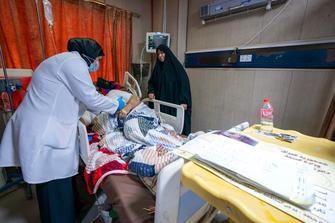
Iraq’s hospitals are absorbing the combined effects of extreme heat, water scarcity, power shortages, climate-driven displacement, and decades of instability. At facilities such as Al Sadr Hospital in Amarah, patient numbers have surged while unreliable electricity leaves wards dangerously hot and under-resourced. Heat and overcrowding are intensifying illness, aggression, fires, and threats against medical staff, prompting doctors to leave and worsening shortages. The article warns that continued water decline could displace millions more people, further straining healthcare and social stability. Officials acknowledge climate change as a national security and public health threat, and some planning has begun, but inadequate funding, infrastructure, corruption, and political instability remain major obstacles.

Climate Change Healthcare Extreme Heat Water Scarcity Climate Displacement Iraq Amarah Baghdad Iraq Ministry of Environment Iraq Ministry of Health Iraq Medical Association International Organization for Migration
BerichtsstilInterpretierend

Strongly framed as an urgent warning, combining reported evidence with vivid, emotionally charged descriptions.

How Iraq’s hospitals became ground-zero battlefield in climate crisis

Daily Maverick 21. Okt. 2024 English

Iraq's hospitals are overwhelmed by the climate crisis, with soaring temperatures, electricity shortages, and mass displacement converging to create a healthcare emergency. The country faces severe water scarcity, desertification, and increasing temperatures, exacerbating health issues and straining hospital resources. Violence and aggression towards medical staff are rising, driven by the heat and overcrowding. The healthcare system is on the brink, with doctors leaving due to the challenging conditions. Iraq's climate crisis poses a significant threat to national security, with urgent calls for infrastructure upgrades and increased funding to cope with the escalating demand.

Climate Crisis Healthcare System Iraq Basra Baghdad Pulitzer Center International Organization for Migration World Bank Ministry of Environment Ministry of Health Dr Muhammed Kareem Muhammed Mariam Qassim
BerichtsstilAusgewogen

The article presents factual information about the climate crisis in Iraq but includes subjective observations and personal accounts.

Politischer KontextMitte-links

The article discusses the impacts of climate change and the need for government intervention and infrastructure improvements.

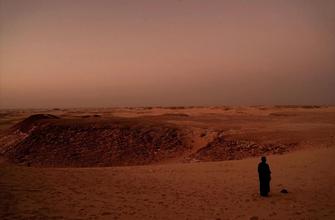
The Forgotten: Sahrawi Refugees Live in Hope of Returning to Their Western Sahara Homeland

Daily Maverick 2. Juli 2024 English

Around 174,000 Sahrawis remain in refugee camps in Algeria, holding on to the hope of returning to Western Sahara after decades of displacement and a promised referendum that has never taken place. Interviews with older refugees, displaced war veterans, and young combatants describe how the 2020 collapse of the ceasefire renewed fighting and drove further flight, while Moroccan drone attacks have heightened civilian danger. The article also details Sahrawi frustration with international inaction and with France, Spain, and the United States backing Morocco's position. Despite the hardship and renewed conflict, many refugees regard return and self-determination as an enduring cause.

Sahrawi Refugees Western Sahara Conflict Moroccan Occupation Refugee Camps Armed Conflict Self-Determination Western Sahara Algeria Morocco Polisario Front Sahrawi Democratic Republic United Nations
BerichtsstilInformativ

Reported feature grounded in interviews and attributed claims, with sympathetic framing toward displaced Sahrawis and their right to self-determination.

Politischer KontextMitte-links

The report foregrounds refugee hardship and Sahrawi self-determination and criticizes Moroccan policy and international support for Morocco, while presenting interviews and attributed evidence.

The Forgotten — Sahrawi refugees live to return to Western Sahara homeland

Daily Maverick 2. Juli 2024 English

Sahrawi refugees, displaced since Morocco's 1975 invasion of Western Sahara, continue to live in Algerian camps, holding onto hope of returning home. Despite a 1991 UN ceasefire agreement promising a referendum, no vote has occurred, leading to renewed conflict between Morocco and the Polisario Front. The Sahrawis' plight is exacerbated by international support for Morocco, including the US's 2020 recognition of Moroccan sovereignty over Western Sahara. The refugees, facing harsh conditions and military threats, remain determined to reclaim their homeland, viewing it as an existential mission.

Sahrawi Refugees Western Sahara Conflict Morocco-Polisario Tensions Western Sahara Algeria Morocco Polisario Front United Nations Moroccan Military Minatu Ijatat Sidate side Bahia Naim Ahmed Salm lmbarki
BerichtsstilInterpretierend

The article contains subjective statements and personal beliefs about the Sahrawi struggle and international politics.

Politischer KontextLinks

The article supports the Sahrawi people's right to self-determination and criticizes international political maneuvers favoring Morocco.

Alle 45 Arbeiten mit einem kostenlosen Konto ansehen

Engagieren Nachricht
×

Registrieren Sie sich, um Susan eine Nachricht zu senden

Haben Sie bereits ein Konto? Anmelden
Suchen Sie Arbeit? Als Journalist registrieren
Verifizieren Sie Ihre E-Mail, um die Registrierung abzuschließen
Wir haben gerade eine E-Mail gesendet an . Bitte prüfen Sie Ihren Posteingang und klicken Sie auf den Link, um Ihre E-Mail-Adresse zu verifizieren und Ihre Registrierung abzuschließen. Falls Sie die E-Mail nicht sehen, prüfen Sie unbedingt Ihren Spam- oder Junk-Ordner.
E-Mail nicht erhalten?

Registrieren Sie sich, um Profile freizuschalten

Haben Sie bereits ein Konto? Anmelden
Suchen Sie Arbeit? Als Journalist registrieren
Verifizieren Sie Ihre E-Mail, um die Registrierung abzuschließen
Wir haben gerade eine E-Mail gesendet an . Bitte prüfen Sie Ihren Posteingang und klicken Sie auf den Link, um Ihre E-Mail-Adresse zu verifizieren und Ihre Registrierung abzuschließen. Falls Sie die E-Mail nicht sehen, prüfen Sie unbedingt Ihren Spam- oder Junk-Ordner.
E-Mail nicht erhalten?