Contratar periodistas

Editoriales y emisoras Equipos de marketing de contenidos Equipos de relaciones públicas y comunicación Equipos de riesgo e inteligencia Encontrar periodistas Monitoreo de medios Precios

Para periodistas

Empleos en periodismo Tarifas Crea tu perfil gratis

Sobre Tg

TG Ãzîm (Azim Ullah) es un joven investigador Rohingya, defensor de los derechos humanos y narrador visual radicado en los campos de refugiados Rohingya de Cox’s Bazar, Bangladés. Emplea la investigación, el periodismo, la fotografía documental y la narración visual para alzar la voz por los derechos, documentar las vidas, las luchas, la resiliencia y las aspiraciones de los refugiados Rohingya y llevar a la atención pública cuestiones humanitarias pasadas por alto.

Idiomas
birmano bengalí inglés urdu
Visto en
Rohingyatographer CJ Platform Global Statelessness Fund

Trabajo 8

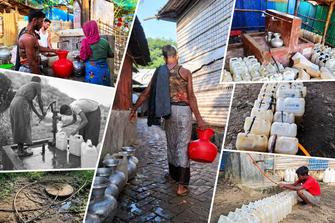
Water Insecurity in Rohingya Refugee Camps: The Daily Struggle for Safe Drinking Water, Hygiene and Dignity in Cox’s Bazar, Bangladesh

CJ Platform 4 nov 2026 English

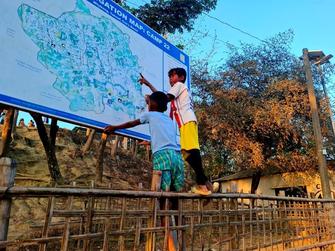
Field research across six Rohingya settlements in Teknaf, Cox’s Bazar, documents uneven access to water for drinking and domestic use. Residents report limited supply hours, queues, long or strenuous trips to communal taps, inadequate storage equipment, and reluctance to use treated water because of its medicinal smell. These difficulties particularly affect people living on hillsides, those with health or mobility limitations, and children whose hygiene and school participation suffer. The study maps Camp 22’s distribution network but cautions that infrastructure counts and residents’ perceptions cannot establish water safety or representativeness; laboratory testing and further structured research are needed. It recommends more reliable and equitable distribution, regular water-quality monitoring, accessible infrastructure, household storage support, community participation, stronger public-health surveillance, and coordination among humanitarian providers and authorities.
Water Insecurity Rohingya Refugee Crisis Water, Sanitation and Hygiene Public Health Humanitarian Aid Refugee Health Cox’s Bazar, Bangladesh Myanmar Bangladesh United Nations Children's Fund (UNICEF) United Nations High Commissioner for Refugees (UNHCR) World Health Organization (WHO)
Estilo periodísticoEquilibrado

Field-based research and reported testimonies are presented alongside evidence limitations and recommendations, though the article makes an explicit humanitarian and human-rights appeal.
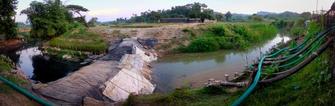
Struggling for Every Drop: Water Insecurity, Household Water Shortages and Health Concerns in Teknaf Rohingya Refugee Camps, Cox's Bazar

Rohingya Photographic Society 31 oct 2026 English

An exploratory mixed-methods study of Rohingya camps in the Teknaf area documents shortages, long waits and difficult journeys to communal water points, alongside residents’ concerns about water quality, treatment odours, storage and sanitation. Field accounts describe households rationing water and reporting health problems, including skin conditions and diarrhoeal illness; the study cautions that reported symptoms and suspected contamination require independent testing and clinical assessment. Unchiprang (Camp 22) is identified as facing particularly substantial access challenges, including those linked to hillside settlement. The authors recommend increasing reliable and equitable supply, monitoring water quality from source through household storage, improving tap stands and pipelines, providing suitable storage containers, strengthening public-health surveillance and coordinating responsibilities among authorities and humanitarian organizations.

Water Insecurity Water and Sanitation Rohingya Refugees Public Health Humanitarian Aid Teknaf Cox's Bazar Bangladesh United Nations High Commissioner for Refugees (UNHCR) World Health Organization (WHO) UNICEF DSK
Estilo periodísticoInformativo

Primarily reports field observations and resident accounts, while advocating for improved water services and sanitation.

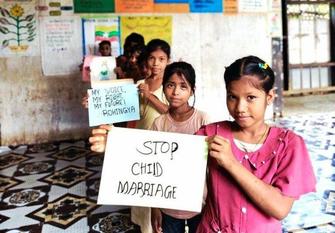
Her Education, Her Rights, Her Future: Ending Child Marriage and Empowering Rohingya Girls in Cox’s Bazar

Rohingya Photographic Society 30 oct 2026 English

Rohingya girls in Cox’s Bazar face child marriage, discrimination, poverty and limited access to education, health information and safe spaces. The article highlights young people including Shohida, Ayesha, Somaiya and Safa, whose experiences and advocacy show how learning centres, peer engagement, counselling and family outreach can help girls understand their rights and express their aspirations. It calls for sustained action by families, educators, community leaders and humanitarian organizations to expand education and protection, address harmful practices, and ensure girls’ voices and choices are respected.

Child Marriage Girls’ Education Rohingya Refugees Gender-Based Discrimination Reproductive Health Human Rights Cox’s Bazar Bangladesh Bhasan Char UNICEF UNFPA Rohingya Photographic Society
Estilo periodísticoInterpretativo

Advocacy-focused feature urging action to end child marriage and protect girls’ education and rights.

A Timeline of Rohingya Displacement by Rohingyatographer: A Century of Exile and Survival

Global Statelessness Fund 22 jul 2026 English

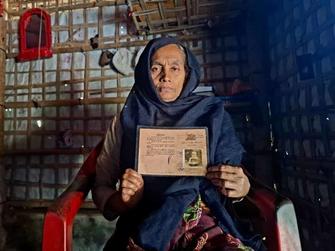
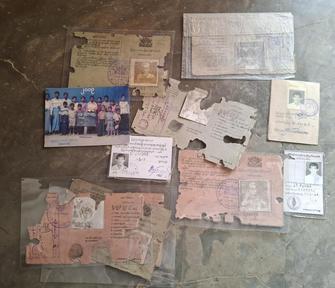
A photo-essay by Rohingyatographer challenges the view that Rohingya displacement began in 2017, tracing a century of recurring exclusion and forced migration. Through Azim Ullah’s photography and reporting, it presents the experiences of seven Rohingya elders alongside archival evidence, including 1952 National Registration Cards and Myanmar’s 1982 Citizenship Law. Family-preserved identity documents illustrate how legal and administrative measures have shaped statelessness and claims of belonging in Arakan.

Rohingya displacement Statelessness Forced migration Rohingya history Community-led documentation Arakan Myanmar Bangladesh Rohingyatographer Global Statelessness Fund Azim Ullah Ali Akbar
Estilo periodísticoInformativo

Mostly factual summary of a photo-essay, with mild advocacy framing about historical displacement and community-led documentation.

The Invisible Crisis of the Rohingya Mind: Mental Health and Statelessness Among Rohingya Refugees

Rohingyatographer 30 jun 2026 English

A community-led survey of 247 Rohingya refugees in camps around Cox's Bazar finds that mental distress is shaped not only by memories of violence but also by prolonged statelessness, restricted movement, limited education and work, family separation, fragile living conditions, and uncertainty about the future. Respondents describe distress through Rohingya concepts linking emotional and physical suffering, including oshanti (loss of peace) and dilor sinta (persistent worry). Nearly half reported frequent fear or worry, and more than seven in ten said they had little or no control over major decisions affecting their lives. The investigation also documents how fires, floods, checkpoints, aid-system changes, and limited services deepen insecurity, while family, faith, community networks, education, music, and photography provide support and avenues for agency. It argues that meaningful attention to wellbeing must address the ongoing conditions that keep lives and futures suspended, while recognizing Rohingya people as authors of their own stories.

Rohingya Refugees Mental Health Statelessness Displacement Humanitarian Crisis Education and Employment Restrictions Refugee Camp Conditions Cox's Bazar, Bangladesh Myanmar Rakhine State, Myanmar Rohingyatographer Global Statelessness Fund
Estilo periodísticoInterpretativo

The piece is a researched visual investigation, but it uses interpretive and persuasive language to argue that ongoing statelessness and restrictions—not only past violence—drive Rohingya distress.

Contexto políticoCentroizquierda

The piece emphasizes refugee rights, social inclusion, and the harms of restrictive state policies, while presenting its case through research and testimony rather than party politics.

Timeline of Rohingya Displacement: A Century of Exile and Survival

Rohingyatographer 19 feb 2026 English

The Rohingya have endured repeated waves of forced displacement from Arakan State, including mass flight in 1978, 1991–92, 2012–15, and 2017. The article traces how military campaigns, restrictions, and citizenship laws—especially the 1982 law that excluded Rohingya from recognized ethnic groups—helped turn a historically rooted community into a stateless population. Seven elders’ accounts show the personal cost of recurring violence and exile, while preserved identity documents serve as evidence of family history and belonging. More than a million Rohingya now live in Bangladesh, where many lack formal legal status, freedom of movement, and the right to work. Despite repeated displacement and stalled repatriation efforts, the community continues to seek recognition, justice, safety, and the right to return.

Rohingya Displacement Rohingya Statelessness Persecution of the Rohingya Myanmar Citizenship Law Refugee Crisis Forced Migration Myanmar Bangladesh Arakan State Myanmar government Myanmar military Bangladesh government
Estilo periodísticoInformativo

Primarily historical and explanatory, though it uses advocacy-oriented language to emphasize persecution and the Rohingya’s claims to belonging.

Contexto políticoCentro

The article focuses on historical events, legal exclusion, and human rights abuses rather than advocating a conventional party-political position.

The Daily Life of Rohingya Children in the Refugee Camp Is Heart-Wrenching

Rohingyatographer 16 ene 2026 English

A photoessay depicts the daily lives of Rohingya children in crowded refugee camps, where play is mixed with work, hunger, illness, poor sanitation, grief, and insecurity. Individual stories show children repairing shelters, carrying family rations, coping with a parent's absence, and sharing scarce food. The piece argues that survival aid alone is insufficient and calls for the international community to protect children's rights to safety, education, nutrition, and care so they can experience childhood with dignity.

Rohingya Refugee Crisis Children in Refugee Camps Child Poverty Food Insecurity Child Rights Rohingya refugee camps, Bangladesh Rohingya refugees United Nations Convention on the Rights of the Child Gonoshasthaya Kendra Azim Ullah Jesmin Akter Shohida
Estilo periodísticoInterpretativo

Advocacy-oriented photoessay combining observation with emotional language and a call to protect refugee children's rights.

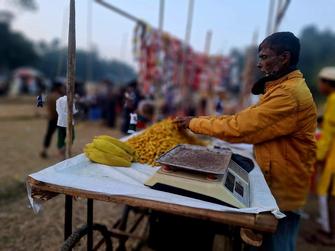
Trading Survival: Micro-Businesses in the Rohingya Camps

Rohingyatographer 4 ene 2026 English

Rohingya families in Bangladesh’s camps face severe limits on formal work and increasing hardship as aid funding cuts threaten food supplies. Some have established small shops and mobile businesses to meet household needs, from selling vegetables and snacks to cutting firewood, barbering, and selling balloons. These fragile livelihoods provide little income but offer families greater control, dignity, and a measure of self-reliance. The work also falls on children and older adults, underscoring both the community’s resilience and the burden of survival.

Rohingya refugees Micro-businesses Poverty and livelihoods Humanitarian aid Self-reliance Rohingya refugee camps in Bangladesh Teknaf Myanmar Rohingya people Azim Ullah Saifullah Shohida
Estilo periodísticoInterpretativo

Human-centered photo essay uses sympathetic and affirmative language to emphasize resilience and dignity.

Contratar Mensaje
×

Regístrate para enviar un mensaje a Tg

¿Ya tienes una cuenta? Iniciar sesión
¿Buscas trabajo? Regístrate como periodista
Verifica tu correo electrónico para completar el registro
Acabamos de enviar un correo electrónico a . Revisa tu bandeja de entrada y haz clic en el enlace para verificar tu dirección de correo electrónico y completar tu registro. Si no ves el correo, asegúrate de revisar tu carpeta de spam o correo no deseado.
¿No recibiste el correo electrónico?

Regístrate para desbloquear perfiles

¿Ya tienes una cuenta? Iniciar sesión
¿Buscas trabajo? Regístrate como periodista
Verifica tu correo electrónico para completar el registro
Acabamos de enviar un correo electrónico a . Revisa tu bandeja de entrada y haz clic en el enlace para verificar tu dirección de correo electrónico y completar tu registro. Si no ves el correo, asegúrate de revisar tu carpeta de spam o correo no deseado.
¿No recibiste el correo electrónico?