Water Insecurity in Rohingya Refugee Camps: The Daily Struggle for Safe Drinking Water, Hygiene and Dignity in Cox’s Bazar, Bangladesh
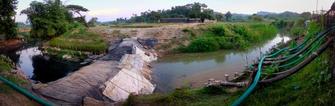
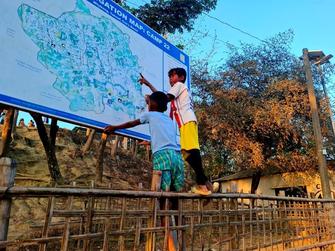
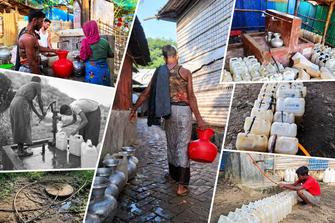
Field research across six Rohingya settlements in Teknaf, Cox’s Bazar, documents uneven access to water for drinking and domestic use. Residents report limited supply hours, queues, long or strenuous trips to communal taps, inadequate storage equipment, and reluctance to use treated water because of its medicinal smell. These difficulties particularly affect people living on hillsides, those with health or mobility limitations, and children whose hygiene and school participation suffer. The study maps Camp 22’s distribution network but cautions that infrastructure counts and residents’ perceptions cannot establish water safety or representativeness; laboratory testing and further structured research are needed. It recommends more reliable and equitable distribution, regular water-quality monitoring, accessible infrastructure, household storage support, community participation, stronger public-health surveillance, and coordination among humanitarian providers and authorities.
Haber tarzıDengeli
Field-based research and reported testimonies are presented alongside evidence limitations and recommendations, though the article makes an explicit humanitarian and human-rights appeal.