Transgender Women in Pakistan Break Traditional Barriers
VOA Thai
30 mai. 2021
Thai
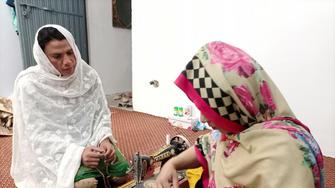
Rani Khan, a 34-year-old transgender woman in Pakistan, founded the country's first Islamic madrasa exclusively for transgender students in October 2020, using her own savings. The school, located in Islamabad, offers Quranic education, prayer space, and tailoring lessons, giving transgender individuals — who face widespread discrimination and social exclusion in Pakistan — a path toward religious participation and economic self-sufficiency. Khan herself experienced rejection from her family at age 13, turning to begging and later dancing at weddings before dedicating herself to religious studies. Inspired by a dream, she built the two-classroom school, which operates on public donations without direct government funding, though some officials have pledged to help students find employment. While Pakistan's parliament legally recognized a third gender in 2018, allowing transgender people to vote and list their gender on official documents, the community remains largely marginalized, with limited livelihood options. Islamabad's chief official Hamza Shafqaat expressed hope that similar schools in other cities could improve conditions for transgender people nationwide. Rights groups estimate the transgender population may exceed 300,000, far above the 10,000 recorded in the 2017 census.
Estilo de reportagemEquilibrado
Primarily factual reporting on Rani Khan's story and the madrasa, but includes some sympathetic framing and quotes that reflect personal perspectives on transgender inclusion in Pakistani society
OpinativoFactual
Contexto políticoCentro-esquerda
The article highlights marginalization of transgender people and frames legal recognition and social inclusion as positive developments, suggesting a progressive, center-left orientation
Extrema-esquerdaExtrema-direita