Publishers & Broadcasters Content Marketing Teams PR & Comms Teams Risk & Intelligence Teams Journalists & News Professionals Media Monitoring Pricing

About Albertus

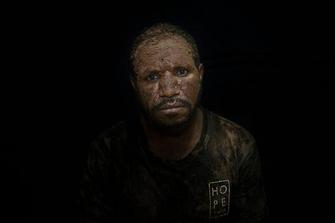
Albertus Vembrianto is documentary photographer and independent photojournalist based in Papua, Indonesia. He has made visual documentaries for Oxfam, Save The Children Foundation, Jaringan Advokasi Tambang (Mining Advocacy Network), Smeru Institute and several social research projects for academic and non profit organizations. His works had been published in various publication, by name Vembri Waluyas, such as The Guardian, Inside Indonesia (Australia), The Jakarta Post Digital (Indonesia), Beritagar.id (Indonesia) and some books such as "Arca: Sepilihan Teks dan Foto tentang Arca Seni Klasik”, A Book Written Together with Lydia Kieven, Mitu M Prie, Cuk Riomandha, etc, "Citra Cerita Pawitra: Candi dan Situs di Penanggungan", A Book Written Together with Kris Budiman, Putu Sutawijaya, etc. Specialties: Reportage, Photojournalism, Documentary Photography, Visual Telling Story, Field Research

Languages
Indonesian
Seen in
Vice Mongabay Witness

Work 5

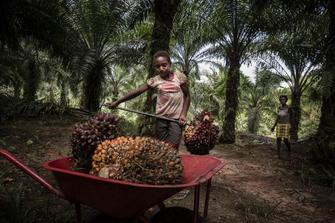
Photos: In southern Papua, navigating an alien world built on palm oil

Mongabay 1 Jul 2020 English

Photographer Albertus Vembrianto spent three weeks documenting the impact of palm oil plantations on Indigenous Papuans in southern Papua, Indonesia. The Indonesian government's promotion of agribusiness has led to the displacement of Indigenous communities, loss of traditional food sources, and increased vulnerability for local women. The Korindo Group, a major palm oil company, is implicated in these changes. The investigation, co-published with The Gecko Project and other media partners, reveals the struggles of Papuans adapting to a new way of life imposed by the palm oil industry.
Palm Oil Industry Indigenous Rights Environmental Impact Papua Indonesia Indonesian Government The Gecko Project Korean Center for Investigative Journalism-Newstapa 101 East Al Jazeera Albertus Vembrianto Paskalina
Reporting styleInterpretive

The article contains subjective statements and personal experiences, particularly from the Indigenous Papuans affected by the palm oil industry.

Political contextLeft

The article highlights the negative impact of corporate and governmental actions on Indigenous communities and the environment.
Inside West Papua’s Forgotten Refugee Camps

VICE 10 Feb 2020 English

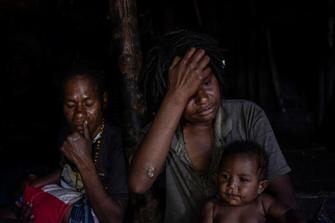
West Papuans, a racial minority in Indonesia, have been displaced into refugee camps in Wamena due to ongoing fighting between Indonesian security forces and separatist militants. The conflict has forced 45,000 civilians to relocate, with many suffering from lack of basic needs, healthcare, and increased violence. The Indonesian military's response to separatist attacks has been criticized for exacerbating the situation. Theo Hesegem of the Justice for the People of Papua Foundation has urged the government to reconsider its militaristic approach.

Human Rights Conflict West Papua Indonesia Wamena Indonesian security forces Justice for the People of Papua Foundation Klara Joko Widodo Hendrik Lokbere Kamila Theo Hesegem
Reporting styleInformative

The article presents factual information about the situation in West Papua but may contain some unverified statements.

Political contextLeft

The text may lean towards a left-wing perspective by focusing on human rights and criticizing military actions.

Inside West Papua’s Forgotten Refugee Camps

VICE 10 Feb 2020 English

The ongoing conflict in West Papua has displaced tens of thousands of civilians, forcing them into refugee camps with dire living conditions. The Indonesian military's response to separatist violence has exacerbated the situation, leading to further bloodshed and displacement. Despite calls from local governments and NGOs for a reevaluation of the military approach, the central government has not withdrawn troops. The humanitarian crisis is compounded by inadequate healthcare and government support for the displaced population.

West Papua Conflict Refugee Crisis Indonesian Politics West Papua Indonesia Wamena Indonesian military Justice for the People of Papua Foundation Klara Hendrik Lokbere Kamila Theo Hesegem
Reporting styleInterpretive

The article presents a critical view of the Indonesian government's actions in West Papua, highlighting the negative impact on civilians.

Political contextLeft

The article criticizes the government's militaristic approach and highlights the plight of marginalized groups.

Fragments of Papua

Witness 5 Sep 2019 English

The article discusses the recurring discrimination and violence towards indigenous Papuans in Indonesia, highlighting a specific incident in December 2018 where construction workers were killed by an armed group. It criticizes the Indonesian mainstream media for biased reporting and the government's military response, which led to further violence and displacement of Papuans. The article also addresses the challenges faced by journalists in Papua, including bribery, intimidation, and violence, and the lack of critical and in-depth reporting on the region's issues.

Discrimination Violence Media Coverage Papua Indonesia Organisasi Papua Merdeka Indonesian Government
Reporting styleInterpretive

The article contains subjective statements and personal beliefs about media bias and government actions.

Political contextCentre

Criticizes government actions and highlights issues of discrimination and violence against indigenous people.

Hundreds indigenous Papua families stay in the riverbanks in Timika, Papua, Indonesia, besides tailing disposal stream of Freeport McMoran, biggest gold mine in the world. Based on the report of Earthworks and Mining Watch Canada, 2012, PT Freeport Indonesia (PTFI), affiliated with Freeport McMoRan’s, produces and dumps over 200,000 tons of tailings per day (over 80 million tons per year). The tailings contain high concentrations of toxins such as copper, arsenic, cadmium, and selenium. The tailings have buried over 166 square kilometers of formerly productive forest and wetlands. In this area, the above indigenous Papua families stay. These families earn money by becoming informal miners in the tailing disposal areas. They stay in plastic camps without access to proper living appliances such as clean water and electricity. Their children grow without formal education, but learn to earn money and get high in cheap way.

Link Albertusvembrianto
Hire Message
×

Sign up to message Albertus

Already have an account? Log in
Looking for work? Register as a Journalist
Verify your email to complete registration
We’ve just sent an email to . Please check your inbox and click the link to verify your email address and complete your registration. If you don’t see the email, be sure to check your spam or junk folder.
Didn’t receive the email?

Sign up to unlock profiles

Already have an account? Log in
Looking for work? Register as a Journalist
Verify your email to complete registration
We’ve just sent an email to . Please check your inbox and click the link to verify your email address and complete your registration. If you don’t see the email, be sure to check your spam or junk folder.
Didn’t receive the email?