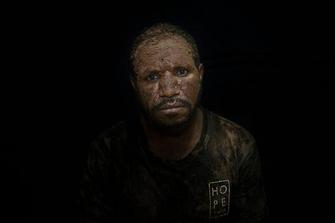
Editoriales y emisoras Equipos de marketing de contenidos Equipos de relaciones públicas y comunicación Equipos de riesgo e inteligencia Periodistas y profesionales de prensa Monitoreo de medios Precios

Sobre Albertus

Albertus Vembrianto es fotógrafo documental y fotoperiodista independiente con base en Papúa, Indonesia. Ha realizado documentales visuales para Oxfam, Save The Children Foundation, Jaringan Advokasi Tambang (Mining Advocacy Network), Smeru Institute y varios proyectos de investigación social para organizaciones académicas y sin fines de lucro. Sus trabajos han sido publicados en diversas publicaciones, bajo el nombre Vembri Waluyas, como The Guardian, Inside Indonesia (Australia), The Jakarta Post Digital (Indonesia), Beritagar.id (Indonesia) y algunos libros como "Arca: Sepilihan Teks dan Foto tentang Arca Seni Klasik”, Un libro escrito junto con Lydia Kieven, Mitu M Prie, Cuk Riomandha, etc, "Citra Cerita Pawitra: Candi dan Situs di Penanggungan", Un libro escrito junto con Kris Budiman, Putu Sutawijaya, etc. Especialidades: Reportaje, Fotoperiodismo, Fotografía documental, Narración visual, Investigación de campo

Idiomas
indonesio
Visto en
Vice Mongabay Witness

Trabajo 5

Photos: In southern Papua, navigating an alien world built on palm oil

Mongabay 1 jul 2020 English

Photographer Albertus Vembrianto spent three weeks documenting the impact of palm oil plantations on Indigenous Papuans in southern Papua, Indonesia. The Indonesian government's promotion of agribusiness has led to the displacement of Indigenous communities, loss of traditional food sources, and increased vulnerability for local women. The Korindo Group, a major palm oil company, is implicated in these changes. The investigation, co-published with The Gecko Project and other media partners, reveals the struggles of Papuans adapting to a new way of life imposed by the palm oil industry.
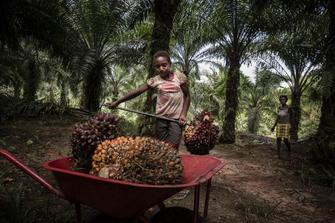
Palm Oil Industry Indigenous Rights Environmental Impact Papua Indonesia Indonesian Government The Gecko Project Korean Center for Investigative Journalism-Newstapa 101 East Al Jazeera Albertus Vembrianto Paskalina
Estilo periodísticoInterpretativo

The article contains subjective statements and personal experiences, particularly from the Indigenous Papuans affected by the palm oil industry.

Contexto políticoIzquierda

The article highlights the negative impact of corporate and governmental actions on Indigenous communities and the environment.
Inside West Papua’s Forgotten Refugee Camps

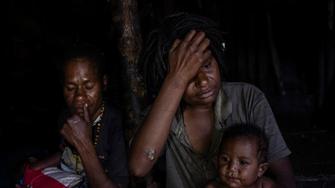
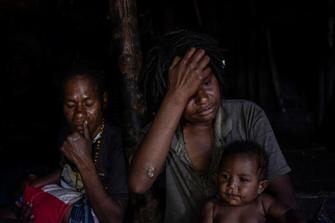
VICE 10 feb 2020 English

West Papuans, a racial minority in Indonesia, have been displaced into refugee camps in Wamena due to ongoing fighting between Indonesian security forces and separatist militants. The conflict has forced 45,000 civilians to relocate, with many suffering from lack of basic needs, healthcare, and increased violence. The Indonesian military's response to separatist attacks has been criticized for exacerbating the situation. Theo Hesegem of the Justice for the People of Papua Foundation has urged the government to reconsider its militaristic approach.

Human Rights Conflict West Papua Indonesia Wamena Indonesian security forces Justice for the People of Papua Foundation Klara Joko Widodo Hendrik Lokbere Kamila Theo Hesegem
Estilo periodísticoInformativo

The article presents factual information about the situation in West Papua but may contain some unverified statements.

Contexto políticoIzquierda

The text may lean towards a left-wing perspective by focusing on human rights and criticizing military actions.

Inside West Papua’s Forgotten Refugee Camps

VICE 10 feb 2020 English

The ongoing conflict in West Papua has displaced tens of thousands of civilians, forcing them into refugee camps with dire living conditions. The Indonesian military's response to separatist violence has exacerbated the situation, leading to further bloodshed and displacement. Despite calls from local governments and NGOs for a reevaluation of the military approach, the central government has not withdrawn troops. The humanitarian crisis is compounded by inadequate healthcare and government support for the displaced population.

West Papua Conflict Refugee Crisis Indonesian Politics West Papua Indonesia Wamena Indonesian military Justice for the People of Papua Foundation Klara Hendrik Lokbere Kamila Theo Hesegem
Estilo periodísticoInterpretativo

The article presents a critical view of the Indonesian government's actions in West Papua, highlighting the negative impact on civilians.

Contexto políticoIzquierda

The article criticizes the government's militaristic approach and highlights the plight of marginalized groups.

Fragments of Papua

Witness 5 sept 2019 English

The article discusses the recurring discrimination and violence towards indigenous Papuans in Indonesia, highlighting a specific incident in December 2018 where construction workers were killed by an armed group. It criticizes the Indonesian mainstream media for biased reporting and the government's military response, which led to further violence and displacement of Papuans. The article also addresses the challenges faced by journalists in Papua, including bribery, intimidation, and violence, and the lack of critical and in-depth reporting on the region's issues.

Discrimination Violence Media Coverage Papua Indonesia Organisasi Papua Merdeka Indonesian Government
Estilo periodísticoInterpretativo

The article contains subjective statements and personal beliefs about media bias and government actions.

Contexto políticoCentro

Criticizes government actions and highlights issues of discrimination and violence against indigenous people.

Hundreds indigenous Papua families stay in the riverbanks in Timika, Papua, Indonesia, besides tailing disposal stream of Freeport McMoran, biggest gold mine in the world. Based on the report of Earthworks and Mining Watch Canada, 2012, PT Freeport Indonesia (PTFI), affiliated with Freeport McMoRan’s, produces and dumps over 200,000 tons of tailings per day (over 80 million tons per year). The tailings contain high concentrations of toxins such as copper, arsenic, cadmium, and selenium. The tailings have buried over 166 square kilometers of formerly productive forest and wetlands. In this area, the above indigenous Papua families stay. These families earn money by becoming informal miners in the tailing disposal areas. They stay in plastic camps without access to proper living appliances such as clean water and electricity. Their children grow without formal education, but learn to earn money and get high in cheap way.

Enlace Albertusvembrianto
Contratar Mensaje
×

Regístrate para enviar un mensaje a Albertus

¿Ya tienes una cuenta? Iniciar sesión
¿Buscas trabajo? Regístrate como periodista
Verifica tu correo electrónico para completar el registro
Acabamos de enviar un correo electrónico a . Revisa tu bandeja de entrada y haz clic en el enlace para verificar tu dirección de correo electrónico y completar tu registro. Si no ves el correo, asegúrate de revisar tu carpeta de spam o correo no deseado.
¿No recibiste el correo electrónico?

Regístrate para desbloquear perfiles

¿Ya tienes una cuenta? Iniciar sesión
¿Buscas trabajo? Regístrate como periodista
Verifica tu correo electrónico para completar el registro
Acabamos de enviar un correo electrónico a . Revisa tu bandeja de entrada y haz clic en el enlace para verificar tu dirección de correo electrónico y completar tu registro. Si no ves el correo, asegúrate de revisar tu carpeta de spam o correo no deseado.
¿No recibiste el correo electrónico?