Éditeurs et diffuseurs Équipes de marketing de contenu Équipes RP et communication Équipes risques et renseignement Journalistes et professionnels des médias Veille médias Tarifs

À propos de Albertus

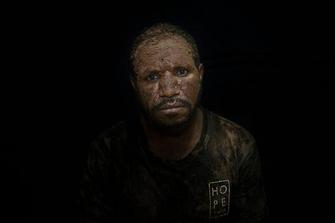
Albertus Vembrianto est photographe documentaire et photojournaliste indépendant basé à Papouasie, Indonésie. Il a réalisé des documentaires visuels pour Oxfam, Save The Children Foundation, Jaringan Advokasi Tambang (Mining Advocacy Network), Smeru Institute et plusieurs projets de recherche sociale pour des organisations académiques et des organisations à but non lucratif. Ses travaux ont été publiés dans diverses publications, sous le nom Vembri Waluyas, telles que The Guardian, Inside Indonesia (Australia), The Jakarta Post Digital (Indonesia), Beritagar.id (Indonesia) et dans certains ouvrages tels que "Arca: Sepilihan Teks dan Foto tentang Arca Seni Klasik”, A Book Written Together with Lydia Kieven, Mitu M Prie, Cuk Riomandha, etc, "Citra Cerita Pawitra: Candi dan Situs di Penanggungan", A Book Written Together with Kris Budiman, Putu Sutawijaya, etc. Spécialités: Reportage, Photojournalisme, Photographie documentaire, Narration visuelle, Recherche de terrain

Langues
indonésien
Vu dans
Vice Mongabay Witness

Travaux 5

Photos: In southern Papua, navigating an alien world built on palm oil

Mongabay 1 juil. 2020 English

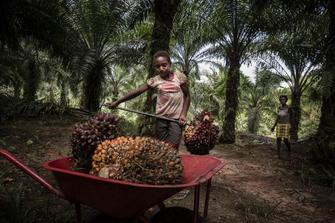
Photographer Albertus Vembrianto spent three weeks documenting the impact of palm oil plantations on Indigenous Papuans in southern Papua, Indonesia. The Indonesian government's promotion of agribusiness has led to the displacement of Indigenous communities, loss of traditional food sources, and increased vulnerability for local women. The Korindo Group, a major palm oil company, is implicated in these changes. The investigation, co-published with The Gecko Project and other media partners, reveals the struggles of Papuans adapting to a new way of life imposed by the palm oil industry.
Palm Oil Industry Indigenous Rights Environmental Impact Papua Indonesia Indonesian Government The Gecko Project Korean Center for Investigative Journalism-Newstapa 101 East Al Jazeera Albertus Vembrianto Paskalina
Style rédactionnelInterprétatif

The article contains subjective statements and personal experiences, particularly from the Indigenous Papuans affected by the palm oil industry.

Contexte politiqueGauche

The article highlights the negative impact of corporate and governmental actions on Indigenous communities and the environment.
Inside West Papua’s Forgotten Refugee Camps

VICE 10 févr. 2020 English

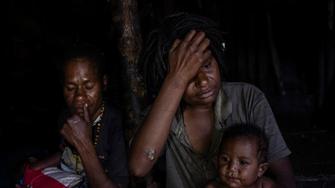
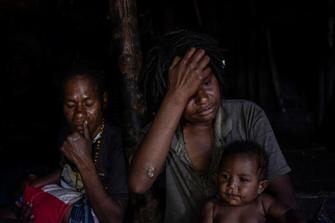
West Papuans, a racial minority in Indonesia, have been displaced into refugee camps in Wamena due to ongoing fighting between Indonesian security forces and separatist militants. The conflict has forced 45,000 civilians to relocate, with many suffering from lack of basic needs, healthcare, and increased violence. The Indonesian military's response to separatist attacks has been criticized for exacerbating the situation. Theo Hesegem of the Justice for the People of Papua Foundation has urged the government to reconsider its militaristic approach.

Human Rights Conflict West Papua Indonesia Wamena Indonesian security forces Justice for the People of Papua Foundation Klara Joko Widodo Hendrik Lokbere Kamila Theo Hesegem
Style rédactionnelInformatif

The article presents factual information about the situation in West Papua but may contain some unverified statements.

Contexte politiqueGauche

The text may lean towards a left-wing perspective by focusing on human rights and criticizing military actions.

Inside West Papua’s Forgotten Refugee Camps

VICE 10 févr. 2020 English

The ongoing conflict in West Papua has displaced tens of thousands of civilians, forcing them into refugee camps with dire living conditions. The Indonesian military's response to separatist violence has exacerbated the situation, leading to further bloodshed and displacement. Despite calls from local governments and NGOs for a reevaluation of the military approach, the central government has not withdrawn troops. The humanitarian crisis is compounded by inadequate healthcare and government support for the displaced population.

West Papua Conflict Refugee Crisis Indonesian Politics West Papua Indonesia Wamena Indonesian military Justice for the People of Papua Foundation Klara Hendrik Lokbere Kamila Theo Hesegem
Style rédactionnelInterprétatif

The article presents a critical view of the Indonesian government's actions in West Papua, highlighting the negative impact on civilians.

Contexte politiqueGauche

The article criticizes the government's militaristic approach and highlights the plight of marginalized groups.

Fragments of Papua

Witness 5 sept. 2019 English

The article discusses the recurring discrimination and violence towards indigenous Papuans in Indonesia, highlighting a specific incident in December 2018 where construction workers were killed by an armed group. It criticizes the Indonesian mainstream media for biased reporting and the government's military response, which led to further violence and displacement of Papuans. The article also addresses the challenges faced by journalists in Papua, including bribery, intimidation, and violence, and the lack of critical and in-depth reporting on the region's issues.

Discrimination Violence Media Coverage Papua Indonesia Organisasi Papua Merdeka Indonesian Government
Style rédactionnelInterprétatif

The article contains subjective statements and personal beliefs about media bias and government actions.

Contexte politiqueCentre

Criticizes government actions and highlights issues of discrimination and violence against indigenous people.

Hundreds indigenous Papua families stay in the riverbanks in Timika, Papua, Indonesia, besides tailing disposal stream of Freeport McMoran, biggest gold mine in the world. Based on the report of Earthworks and Mining Watch Canada, 2012, PT Freeport Indonesia (PTFI), affiliated with Freeport McMoRan’s, produces and dumps over 200,000 tons of tailings per day (over 80 million tons per year). The tailings contain high concentrations of toxins such as copper, arsenic, cadmium, and selenium. The tailings have buried over 166 square kilometers of formerly productive forest and wetlands. In this area, the above indigenous Papua families stay. These families earn money by becoming informal miners in the tailing disposal areas. They stay in plastic camps without access to proper living appliances such as clean water and electricity. Their children grow without formal education, but learn to earn money and get high in cheap way.

Lien Albertusvembrianto
Recruter Message
×

Inscrivez-vous pour envoyer un message à Albertus

Vous avez déjà un compte ? Se connecter
Vous cherchez du travail ? S'inscrire en tant que journaliste
Vérifiez votre e-mail pour finaliser l'inscription
Nous venons d'envoyer un e-mail à . Veuillez consulter votre boîte de réception et cliquer sur le lien pour vérifier votre adresse e-mail et finaliser votre inscription. Si vous ne voyez pas l'e-mail, pensez à vérifier votre dossier spam ou courrier indésirable.
Vous n'avez pas reçu l'e-mail ?

Inscrivez-vous pour débloquer les profils

Vous avez déjà un compte ? Se connecter
Vous cherchez du travail ? S'inscrire en tant que journaliste
Vérifiez votre e-mail pour finaliser l'inscription
Nous venons d'envoyer un e-mail à . Veuillez consulter votre boîte de réception et cliquer sur le lien pour vérifier votre adresse e-mail et finaliser votre inscription. Si vous ne voyez pas l'e-mail, pensez à vérifier votre dossier spam ou courrier indésirable.
Vous n'avez pas reçu l'e-mail ?