Contratar periodistas

Editoriales y emisoras Equipos de marketing de contenidos Equipos de relaciones públicas y comunicación Equipos de riesgo e inteligencia Encontrar periodistas Monitoreo de medios Precios

Para periodistas

Empleos en periodismo Tarifas Crea tu perfil gratis

Sobre Vittoria

Periodista de salud y de datos. Cubro una amplia gama de temas de atención sanitaria, desde terapias de vanguardia hasta la salud global. Mis reportajes suelen basarse en datos, y me esfuerzo por hacer que los asuntos complejos sean claros y accesibles. Antes de convertirme en periodista a tiempo completo, trabajé en comunicación, investigación y análisis de datos para la ONU y la UE. En el sector privado, desarrollé modelos de economía de la salud para orientar decisiones de política e inversión. De origen italiano, ahora vivo en Zúrich.

Idiomas
inglés italiano español
Visto en
SWI swissinfo.ch

Trabajo 7

Switzerland imposes limit of eight children per sperm donor

SWI swissinfo.ch 23 feb 2026 Portuguese

Rapid growth in international sperm donation and several high-profile cases have exposed regulatory weaknesses that allow individual donors to father hundreds of children across borders, sometimes transmitting rare genetic disorders. Switzerland enforces strict domestic rules, including a limit of eight births per donor and medical screenings for common hereditary diseases, but does not conduct systematic testing for rare genetic mutations. Cross-border sperm trade reduces the effectiveness of national limits, as exported samples cannot be tracked internationally. European countries have responded unevenly, with Denmark, the Netherlands and Belgium tightening regulations, while the EU is implementing new SoHO rules that require national donor registries but stop short of establishing an EU-wide system. Swiss clinics remain cautious, with some avoiding imported sperm to prevent exceeding legal limits they cannot monitor.

Sperm donation regulation Genetic screening International reproductive medicine policies Switzerland European Union Denmark Swiss fertility clinics Parliament of the European Union American Society for Reproductive Medicine Belgian Ministry of Health National ethics councils of Sweden, Denmark, Finland and Norway Alessandro Santi
Estilo periodísticoInformativo

Largely factual reporting with some interpretive commentary from experts and regulators

Sperm donation: when national safeguards are not enough

SWI swissinfo.ch 23 feb 2026 Italian

An investigation into sperm donation practices reveals how a Danish donor unknowingly transmitted a dangerous genetic mutation to numerous biological children across Europe, exposing regulatory gaps in cross‑border sperm distribution. Switzerland maintains stringent donor requirements, including medical screening and limits on offspring per donor, yet rare genetic conditions like Li-Fraumeni syndrome remain difficult to detect and international sperm circulation limits national protections. European countries vary widely in donor limits and oversight, and the absence of an EU‑wide registry makes it impossible to track donor usage across borders. New EU rules will require national registries but stop short of establishing a continental system, prompting several member states to advocate for stronger coordination. Swiss clinics may face indirect impacts despite not being bound by EU legislation, and some avoid importing sperm to reduce risks of exceeding national limits.

Sperm donation Genetic risks European health regulation Assisted reproduction Switzerland Denmark European Union Ospedale cantonale di Lugano American Society for Reproductive Medicine Parlamento europeo Commissione europea Alessandro Santi
Estilo periodísticoInformativo

Primarily factual reporting with expert commentary but minimal subjective interpretation.

Global concern over measles is rising. Should Switzerland worry?

SWI swissinfo.ch 1 mar 2025 English

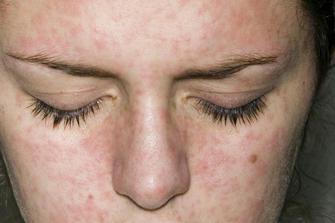
Measles, once nearing eradication, is resurging globally with significant outbreaks in the US and Europe. Switzerland remains relatively stable with low case numbers, attributed to high vaccination rates. However, health authorities stress the importance of maintaining these rates to prevent outbreaks. Vaccine hesitancy, exacerbated by the Covid-19 pandemic, is a major factor in the resurgence. The article highlights the need for continued vigilance and public health efforts to ensure high vaccination coverage and prevent future outbreaks.

Measles Outbreak Vaccination Public Health Switzerland United States Europe World Health Organization European Centre for Disease Prevention and Control FOPH Zurich Department of Health Hans P. Kluge Heidi Larson
Estilo periodísticoEquilibrado

The article presents factual information but includes expert opinions and warnings about vaccination.

Dealing with vaccine hesitancy in the age of misinformation – lessons from Switzerland

Swissinfo 1 dic 2024 English

The article explores the issue of vaccine hesitancy in the context of misinformation, highlighting Switzerland's approach to addressing the challenge through empathetic communication and the integration of complementary and alternative medicine (CAM) providers. It discusses the global rise in vaccine-preventable diseases and the role of misinformation in fueling vaccine skepticism. Experts emphasize the importance of trust in healthcare providers and the need for effective communication strategies to counter hesitancy. The article also examines the impact of the COVID-19 pandemic on public perception of vaccines and the importance of addressing emerging concerns quickly.

Vaccine Hesitancy Misinformation Public Health Switzerland United States European Union World Health Organization Federal Office of Public Health London School of Hygiene & Tropical Medicine Zurich University of Applied Sciences European Commission Vaccine Confidence Project
Estilo periodísticoEquilibrado

The article presents a mix of factual information and expert opinions on vaccine hesitancy.

One paper, 20 years of damage

Swissinfo 1 oct 2023 English

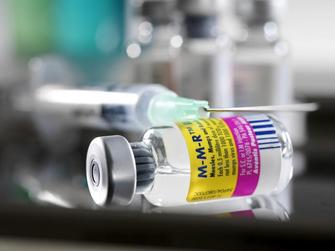
A 1998 study falsely linking the MMR vaccine to autism caused a significant drop in immunization rates, particularly in the UK, and continues to influence vaccine skepticism globally. The study, led by Andrew Wakefield, was later debunked and retracted, with Wakefield losing his medical license. Despite overwhelming scientific evidence supporting the safety of the MMR vaccine, rumors persist, partly due to increased autism diagnoses and confirmation bias. Public health campaigns have worked to restore vaccination rates, but challenges remain, exacerbated by figures like Robert F. Kennedy Jr., who continue to question vaccine safety. The article highlights the importance of maintaining high vaccination coverage to prevent diseases like measles.

MMR Vaccine Autism Vaccine Misinformation United Kingdom United States Switzerland Lancet General Medical Council World Health Organization Swiss Federal Office of Public Health Vaccine Confidence Project London School of Hygiene & Tropical Medicine
Estilo periodísticoEquilibrado

The article presents factual information but includes some subjective interpretations and opinions from experts.

Contexto políticoCentroizquierda

The article discusses public health and vaccine misinformation, aligning with a focus on scientific consensus and public safety.

How US tariffs could disrupt the generic drugs supply chain

Swissinfo 1 abr 2023 English

US tariffs on pharmaceutical imports could disrupt the generic drugs supply chain, raising prices and causing shortages. Generic drugs, essential for global healthcare, rely heavily on Asian supply chains, particularly from China and India. The US aims to reduce this dependency by encouraging domestic production, but tariffs could increase costs and drive some manufacturers out of the market. Major drugmakers like Roche and Novartis are investing in US facilities, but generic manufacturers like Sandoz face challenges due to their lower profit margins. The decision to impose tariffs is seen as a political move to enhance domestic resilience, but experts warn it may not be the most effective strategy.

US Tariffs Generic Drugs Pharmaceutical Supply Chain United States China India United States Pharmacopeia US Department of Commerce World Health Organization Association for Accessible Medicines Donald Trump Ronald Piervincenzi
Estilo periodísticoEquilibrado

The article presents a mix of factual information and expert opinions on the potential impact of US tariffs on the generic drugs supply chain.

Contexto políticoCentroderecha

The article discusses US tariffs and their impact on the pharmaceutical industry, reflecting a focus on economic and industrial policy.

Portfolio

Enlace Vittoriavardanega
Contratar Mensaje
×

Regístrate para enviar un mensaje a Vittoria

¿Ya tienes una cuenta? Iniciar sesión
¿Buscas trabajo? Regístrate como periodista
Verifica tu correo electrónico para completar el registro
Acabamos de enviar un correo electrónico a . Revisa tu bandeja de entrada y haz clic en el enlace para verificar tu dirección de correo electrónico y completar tu registro. Si no ves el correo, asegúrate de revisar tu carpeta de spam o correo no deseado.
¿No recibiste el correo electrónico?

Regístrate para desbloquear perfiles

¿Ya tienes una cuenta? Iniciar sesión
¿Buscas trabajo? Regístrate como periodista
Verifica tu correo electrónico para completar el registro
Acabamos de enviar un correo electrónico a . Revisa tu bandeja de entrada y haz clic en el enlace para verificar tu dirección de correo electrónico y completar tu registro. Si no ves el correo, asegúrate de revisar tu carpeta de spam o correo no deseado.
¿No recibiste el correo electrónico?