 Contratar ahora
 Enviar mensaje a Wali-Ul
Idiomas
bengalí
inglés
Suele responder
En un día
¿Quieres un perfil como este?
Únete a miles de profesionales de prensa que usan journalist.net para mostrar su trabajo y ser contratados por los principales medios.
Empezar
Mira cómo funciona
Conecta a través de Journalist.net
1
Profesionales verificados
Cada periodista de esta plataforma ha sido verificado manualmente por nuestro equipo de Londres. Estás conectando con un profesional de prensa confirmado.2
Interacción protegida
Protegemos los datos de contacto de los periodistas y proporcionamos cobertura de seguro para todas las reservas. Ambas partes trabajan con confianza y seguridad.3
Pago seguro
Los pagos se mantienen en depósito y se liberan cuando se entrega el trabajo. A los periodistas se les garantiza el pago; los clientes dan su aprobación antes de que se finalicen los fondos.¿Aún tienes preguntas?
Consultar preguntas frecuentesAbout Wali-Ul
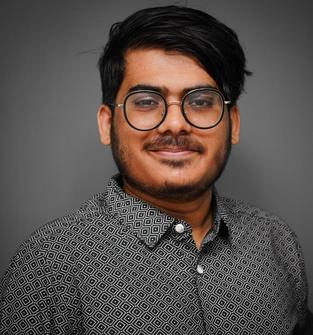
Wali-Ul Haque is an Independent Journalist, Documentary Filmmaker and Producer based in Bangladesh, with a passion for short- and long-form storytelling. He holds an Honors degree in Journalism and is deeply committed to creating in-depth stories on Social Justice, Environmental Crimes, Climate Change, Wildlife-Human Conflicts, and Gender Inequality. He loves researching and finding unique ideas and characters to craft meaningful stories to share with the world.
Portafolio
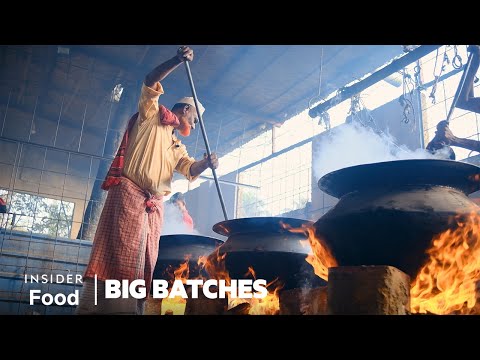
The ultimate communal feast for birthdays, marriages, religious celebrations, and death anniversaries in Chittagong, Bangladesh, is a Mezban, locally known as a Mejjan. The beef-centric meal, which is eaten by hand, is always free and open to the public. Most of the dishes served at a Mezban can be traced back to the 16th-century Mughal Empire, which first brought the recipes to the region. We visited Chittagong to see how a Mezban is prepared for 40,000 people.
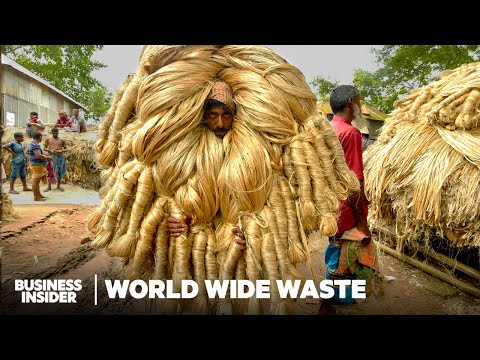
About 20 years ago, Bangladesh became the first nation on Earth to ban single-use plastic bags. Since then, plastic pollution has actually gotten worse. In an effort to find a biodegradable replacement, the government turned to jute, a cash crop that's grown here for centuries. Can one scientist bring more of this "golden fiber" to a country drowning in plastic?
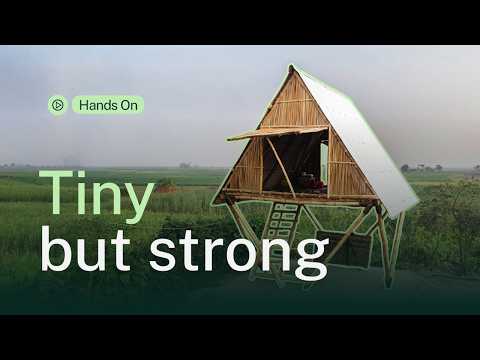
Bulbul has just married and moved into a small village in northeast Bangladesh, a region battered year after year by severe flooding. During the rainy season, water routinely invades homes, wipes out crops, and turns daily life into a struggle for survival. For families like Bulbul’s, rebuilding after each monsoon has become an exhausting cycle. A group of architects from Dhaka is working with rural communities to break that cycle. Through hands-on workshops, they teach villagers how to build simple, flood-resistant tiny houses called "khudi baris" that safeguard families and food supplies when waters rise. As Bulbul prepares to build one of these homes, the film follows his transition into married life and a community learning to adapt and endure in the face of climate extremes.