 Şimdi kirala
 Wali-Ul kişisine mesaj gönder
Diller
Bengalce
İngilizce
Genellikle yanıt verir
Bir gün içinde
Böyle bir profil ister misiniz?
Çalışmalarını sergilemek ve önde gelen medya kuruluşları tarafından kiralanmak için journalist.net'i kullanan binlerce haber profesyoneline katılın.
Başlayın
Nasıl çalıştığını görün
Journalist.net üzerinden bağlantı kurun
1
Doğrulanmış profesyoneller
Bu platformdaki her gazeteci, Londra ekibimiz tarafından manuel olarak doğrulanmıştır. Doğrulanmış bir haber profesyoneliyle bağlantı kuruyorsunuz.2
Korumalı etkileşim
Gazetecilerin iletişim bilgilerini koruruz ve tüm rezervasyonlar için sigorta kapsamı sağlarız. Her iki taraf da güvenle ve emniyetle çalışır.3
Güvenli ödeme
Ödemeler emanet hesabında tutulur ve iş teslim edildiğinde serbest bırakılır. Gazetecilerin ödemesi garanti edilir; müşteriler fonlar kesinleşmeden önce onay verir.Hâlâ sorularınız mı var?
SSS'ye göz atınAbout Wali-Ul
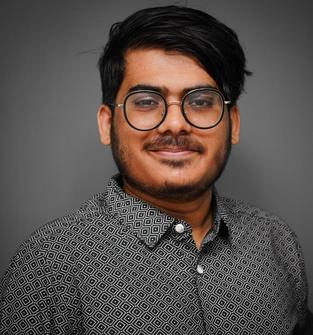
Wali-Ul Haque is an Independent Journalist, Documentary Filmmaker and Producer based in Bangladesh, with a passion for short- and long-form storytelling. He holds an Honors degree in Journalism and is deeply committed to creating in-depth stories on Social Justice, Environmental Crimes, Climate Change, Wildlife-Human Conflicts, and Gender Inequality. He loves researching and finding unique ideas and characters to craft meaningful stories to share with the world.
Portföy
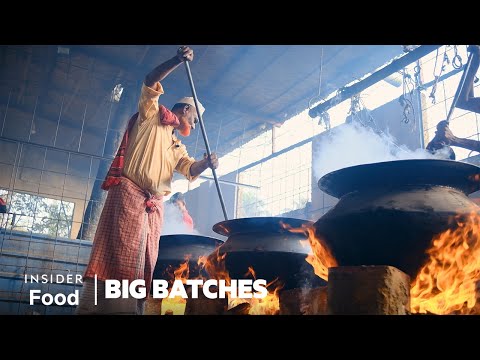
The ultimate communal feast for birthdays, marriages, religious celebrations, and death anniversaries in Chittagong, Bangladesh, is a Mezban, locally known as a Mejjan. The beef-centric meal, which is eaten by hand, is always free and open to the public. Most of the dishes served at a Mezban can be traced back to the 16th-century Mughal Empire, which first brought the recipes to the region. We visited Chittagong to see how a Mezban is prepared for 40,000 people.
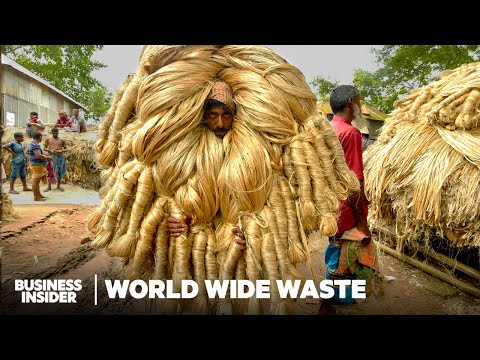
About 20 years ago, Bangladesh became the first nation on Earth to ban single-use plastic bags. Since then, plastic pollution has actually gotten worse. In an effort to find a biodegradable replacement, the government turned to jute, a cash crop that's grown here for centuries. Can one scientist bring more of this "golden fiber" to a country drowning in plastic?
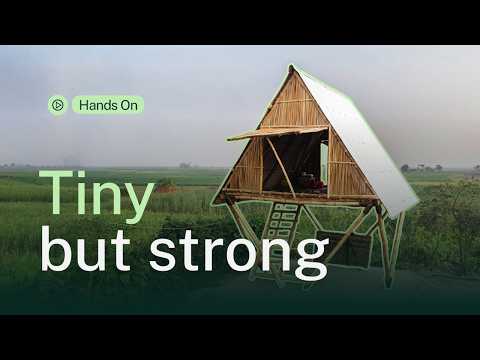
Bulbul has just married and moved into a small village in northeast Bangladesh, a region battered year after year by severe flooding. During the rainy season, water routinely invades homes, wipes out crops, and turns daily life into a struggle for survival. For families like Bulbul’s, rebuilding after each monsoon has become an exhausting cycle. A group of architects from Dhaka is working with rural communities to break that cycle. Through hands-on workshops, they teach villagers how to build simple, flood-resistant tiny houses called "khudi baris" that safeguard families and food supplies when waters rise. As Bulbul prepares to build one of these homes, the film follows his transition into married life and a community learning to adapt and endure in the face of climate extremes.