Journalisten engagieren

Verlage & Sender Content-Marketing-Teams PR- & Kommunikationsteams Risiko- & Intelligence-Teams Journalisten finden Medienbeobachtung Preise

Für Journalisten

Stellenangebote im Journalismus Honorare und Tarife Kostenloses Profil erstellen

Über Yann

Yann Bigant ist ein unabhängiger Fotograf, Videograf und Drohnenpilot mit Schwerpunkt auf Naturschutz- und Umweltfragen in Südostasien. Er lebt seit einem Jahrzehnt in Kambodscha und steht für ein breites Spektrum an Foto- und Videoaufträgen in der gesamten Region zur Verfügung. Yann setzt sich dafür ein, die Auswirkungen menschlicher Aktivitäten auf die Tierwelt und die Natur sowie die unermüdliche Arbeit von Naturschützern zur Eindämmung des Aussterbens sichtbar zu machen. Seine Arbeit zum Handel mit Tieren für die buddhistische 'life release'-Praxis schaffte es auf das Cover des South China Morning Post magazine, und seine Recherche zur Vogeljagd in Kambodscha wurde als eine der Top-Fotokurzgeschichten von Dialogue Earth für 2025 gelistet. Seine Fotos erschienen außerdem in Mongabay, Voice of America (VOA) und lokalen Medien; zu seinen Auftraggebern zählen internationale Organisationen und Unternehmen wie SNV, iDE Cambodia, IRD (France), Wildlight Productions (UK) und 17 Triggers (Cambodia). Yann studierte engineering in Frankreich und architecture in China, wo er lebte und arbeitete, bevor er nach Kambodscha zog. Seit mehr als 10 Jahren im Umweltbereich tätig, co-organisierte er eine wissenschaftliche Expedition nach Grönland, entwickelte Naturschutzprojekte in Indonesien und leitete die Kommunikation für Nonprofits, bevor er 2022 zur freiberuflichen Fotografie & Videoarbeit wechselte. Sein Werk reicht von sozialen & Umweltfragen bis hin zum Artenschutz und Tierschutz. Seine persönliche fine art practice erforscht in sensiblen Fotografien die Beziehungen, die wir zu abgelegenen und übersehenen Landschaften entwickeln, und wurde auf Festivals und in Galerien ausgestellt. Yann spricht fließend Englisch, Französisch und Mandarin-Chinesisch und lernt Khmer. Er arbeitet mit erfahrenen Übersetzern und Fixern zusammen. To see more of his work, visit his website.

Sprachen
Französisch Englisch Chinesisch
Gesehen in
Naturevolution Dialogue Earth South China Morning Post Mekongreview

Arbeiten 25

How animals suffer for Buddhists to earn spiritual points

Scmp 24. Jan. 2024 English

In Cambodia, the Buddhist practice of life release, intended to earn spiritual merit by freeing animals, results in suffering and death for millions of birds and other wildlife annually. Despite the ritual's compassionate intent, the commercial trapping and selling of animals for release has led to high mortality rates, environmental disturbance, and the decline of several bird species. Conservationists and some Buddhist communities are advocating for sustainable alternatives, such as donations to wildlife organizations, to protect Cambodia's wildlife while maintaining the practice's spiritual goals.

Religion Animal Welfare Environmental Conservation Cambodia Southeast Asia Vietnam Angkor Centre for Conservation of Biodiversity Dr Kit Magellan Choeun Lien Yiey Mao Christel Griffioen Frédéric Goes

Further and Further Away

Mekongreview 13. Nov. 2023 English

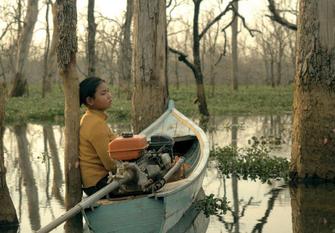
The Lower Sesan 2, Cambodia's largest hydropower dam, has been described as a development disaster, akin to climate disasters in its unnaturalness and avoidable consequences. Impact assessments predicted the displacement of Indigenous villagers, disruption of fish migration, and a significant reduction in the Mekong basin's fish biomass, affecting the diets and livelihoods of thousands.

Environmental Issues Development Cambodia Mekong Basin Anti-Archive Lower Sesan 2 Hydropower Dam

Bird hunting in Cambodia driven by poverty and lax enforcement

Dialogue Earth 15. Okt. 2023 English

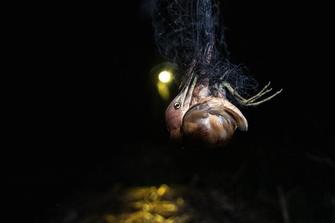
Bird hunting in Cambodia is driven by poverty and weak law enforcement, with hunters using various techniques to trap birds for sale as wild meat. Despite conservation efforts, hunting remains rampant, threatening bird populations across Southeast Asia. Conservationists highlight the need for stricter enforcement, improved livelihoods, and education to curb hunting. The article discusses the challenges of enforcing wildlife laws and the socio-economic factors driving hunting, suggesting solutions like conservation-focused cash transfers and legal reforms to protect bird species.

Bird Hunting Poverty Wildlife Conservation Cambodia Southeast Asia Vietnam BirdLife International NatureLife Cambodia UN Environment Programme Wildlife Conservation Society Cambodia WWF Samnang
BerichtsstilAusgewogen

The article presents a mix of factual reporting and subjective analysis, highlighting the challenges and potential solutions to bird hunting in Cambodia.

Politischer KontextMitte

The article discusses policy and enforcement issues related to wildlife conservation without a clear political bias.

What future for the lemurs of Madagascar?

Naturevolution 21. Dez. 2022 French

Lemurs, unique primates found only in Madagascar, are the most endangered mammals in the world. The 2020 update of the IUCN Red List highlighted their critical status, with nearly all lemur species facing extinction. Deforestation, climate change, and poaching are the main threats to their survival. Madagascar has lost 40% of its forest cover between 1950 and 2000, and the situation is worsening. Protected areas have had some positive impact on forest cover but are only partially successful in halting biodiversity decline and often lack funding. The Makay region, with its diverse habitats and microclimatic gradients, could be a crucial refuge for lemurs, offering a north-south corridor for species migration and adaptation to climate change.

Endangered Species Wildlife Conservation Environmental Issues Madagascar International Union for Conservation of Nature (IUCN)

How to act against deforestation?

Naturevolution 13. März 2022 French

The text outlines how overconsumption in wealthy regions, particularly Europe, drives global deforestation through demand for meat, soy, palm oil, chocolate and rubber. It emphasizes the impact of livestock production on land use and emissions, urging major dietary shifts. It encourages political engagement through voting, legal action and activism to push governments to adopt stronger environmental policies. Financial institutions are criticized for supporting deforestation-linked industries, with recommendations to choose ethical banks. The article promotes supporting NGOs, reducing consumption of palm oil, chocolate and rubber, and purchasing certified sustainable products. It concludes that while individual actions are limited, they remain essential alongside political pressure and support for reforestation projects.

Deforestation Climate change Environmental policy Sustainable consumption Global Brazil Indonesia Greenpeace FAO The Shift Project EELV LRM
BerichtsstilInterpretierend

Strongly opinionated environmental advocacy with prescriptive recommendations

Politischer KontextLinks

Environmental advocacy and criticism of liberal trade policies reflect left-leaning political framing

Training workshop on crown-of-thorns starfish management

Naturevolution 24. Aug. 2021 French

A coordinated initiative was launched in Sulawesi to improve detection and management of crown‑of‑thorns starfish infestations, a major cause of coral mortality in the Indo‑Pacific. A training workshop was held in Kendari with local authorities, researchers, conservation groups and dive clubs, combining remote theoretical instruction with practical field exercises. Participants learned monitoring protocols and techniques for injecting starfish using locally fabricated kits. The project includes creating an online resource hub and exploring a citizen‑reporting platform to support rapid response to new infestations.

Coral reef conservation Marine ecology Environmental management Sulawesi Indonesia Indo-Pacific IRD Naturevolution Indonesia Toli Toli Giant Clam Conservation BKSDA Southeast Sulawesi BPSPL Sulawesi Pascal Dumas
BerichtsstilInformativ

Mostly factual description of training, activities and organizations

Impacts and solutions to our electronic addiction

Naturevolution 20. Aug. 2021 French

Large-scale extraction of minerals such as nickel, lithium and rare earths drives pollution, habitat destruction and social inequities tied to the production of digital devices. Rapid turnover, low repairability and planned obsolescence worsen resource depletion and electronic waste, with recycling rates remaining low. Unequal burdens fall on poorer communities living near extraction and disposal sites. Some manufacturers increasingly restrict repairs, while others support modular and repairable designs. Initiatives promoting repair, reuse and refurbishment, along with responsible recycling programs, aim to reduce environmental pressure and limit further mining impacts.

Electronic waste Mining impacts Environmental pollution Sustainable technology Indonesia France Europe ADEME Global E-waste Monitor Low-Tech Lab Ecosystem Emmaüs
BerichtsstilAusgewogen

Mix of factual environmental analysis with subjective criticism of industry practices

In Quest of Stars in Sulawesi

Naturevolution 10. Aug. 2021 French

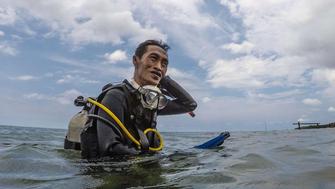
During initial dives in Matarape Bay, Sulawesi, the presence of the Crown-of-Thorns starfish, a significant threat to Indo-Pacific coral ecosystems, was noted. Despite their natural role in coral predation, population explosions of these starfish have led to extensive coral mortality. Human factors such as nutrient enrichment from waste and fertilizers, climate change, and overfishing of predators are implicated in these outbreaks. Local and regional communities heavily reliant on coral reefs for sustenance and employment stand to lose greatly from reef degradation. Collaborative efforts, including a local reef monitoring network and participatory science, are being implemented to manage and mitigate the impact of these starfish, with initiatives like OREANET playing a crucial role. The article also discusses the broader implications for the Coral Triangle and the importance of maintaining healthy reefs for marine biodiversity and human societies.

Marine Biology Environmental Conservation Sulawesi Indo-Pacific Coral Triangle UNESCO IRD (Institut pour la Recherche et le Développement) BKSDA (Natural Resources Conservation Agency) Pascal Dumas

The protector of the giant clams of Sulawesi

Naturevolution 19. Apr. 2021 French

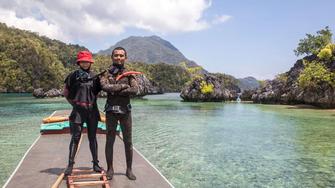
A conservation initiative in southeastern Sulawesi protects giant clams threatened by overharvesting, habitat degradation and illegal trade. Led by Habib and the Toli Toli Giant Clam Conservation group, thousands of clams have been gathered into monitored refuges that support ecosystem recovery and community awareness. The region hosts exceptional biodiversity with eight clam species and faces pressures from fishing, mining runoff and aquaculture demand. A new refuge near Labengki Island aims to enhance research, community engagement and sustainable tourism, with funding sought to continue collection, relocation and outreach efforts.

Marine conservation Biodiversity Environmental threats Sulawesi Indonesia Pacific Ocean Toli Toli Giant Clam Conservation Naturevolution CITES Habib Yann Bigant Imam
BerichtsstilInformativ

Mostly factual environmental reporting with occasional advocacy for conservation.

Safeguarding Sulawesi's Giant Clams

Naturevolution 19. Apr. 2021 English

Habib, founder of Toli Toli Giant Clam Conservation in Sulawesi, has dedicated the past decade to protecting giant clams, which are crucial for the health of Pacific coral reefs. The organization has relocated 8,000 clams of 8 different species to no-take zones, with local fishermen's agreement, to safeguard them from illegal fishing. Giant clams contribute to reef biodiversity and act as natural water filters. Despite their protected status in Indonesia and CITES regulations, they face threats from overfishing, the aquarium trade, and environmental impacts from mining and agriculture. Naturevolution has partnered with Toli Toli to further conservation efforts, including creating a new shelter for giant clams within the Teluk Lasolo protected area.

Marine Conservation Biodiversity Sulawesi Indonesia Coral Triangle Toli Toli Giant Clam Conservation BKSDA (Natural Resources Conservation Agency of Indonesia) CITES (Convention on International Trade in Endangered Species of Wild Fauna and Flora) Habib

Alle 25 Arbeiten mit einem kostenlosen Konto ansehen

Engagieren Nachricht
×

Registrieren Sie sich, um Yann eine Nachricht zu senden

Haben Sie bereits ein Konto? Anmelden
Suchen Sie Arbeit? Als Journalist registrieren
Verifizieren Sie Ihre E-Mail, um die Registrierung abzuschließen
Wir haben gerade eine E-Mail gesendet an . Bitte prüfen Sie Ihren Posteingang und klicken Sie auf den Link, um Ihre E-Mail-Adresse zu verifizieren und Ihre Registrierung abzuschließen. Falls Sie die E-Mail nicht sehen, prüfen Sie unbedingt Ihren Spam- oder Junk-Ordner.
E-Mail nicht erhalten?

Registrieren Sie sich, um Profile freizuschalten

Haben Sie bereits ein Konto? Anmelden
Suchen Sie Arbeit? Als Journalist registrieren
Verifizieren Sie Ihre E-Mail, um die Registrierung abzuschließen
Wir haben gerade eine E-Mail gesendet an . Bitte prüfen Sie Ihren Posteingang und klicken Sie auf den Link, um Ihre E-Mail-Adresse zu verifizieren und Ihre Registrierung abzuschließen. Falls Sie die E-Mail nicht sehen, prüfen Sie unbedingt Ihren Spam- oder Junk-Ordner.
E-Mail nicht erhalten?