Contratar periodistas

Editoriales y emisoras Equipos de marketing de contenidos Equipos de relaciones públicas y comunicación Equipos de riesgo e inteligencia Encontrar periodistas Monitoreo de medios Precios

Para periodistas

Empleos en periodismo Tarifas Crea tu perfil gratis

Sobre Yann

Yann Bigant es un fotógrafo independiente, videógrafo y piloto de dron centrado en la conservación y las cuestiones medioambientales en el Sudeste Asiático. Ha estado radicado en Camboya durante una década y está disponible para una amplia gama de encargos fotográficos y de vídeo en la región. Yann está comprometido con poner de relieve el impacto de la actividad humana sobre la fauna y el mundo natural, así como el incansable trabajo de los conservacionistas para frenar la marea de extinciones. Su trabajo sobre el comercio de animales para la práctica budista de 'life release' apareció en la portada de South China Morning Post magazine, y su investigación sobre la caza de aves en Camboya fue incluida entre las principales historias fotográficas de 2025 de Dialogue Earth. Sus fotos también aparecieron en Mongabay, Voice of America (VOA) y medios locales; sus clientes incluyen organizaciones internacionales y empresas como SNV, iDE Cambodia, IRD (France), Wildlight Productions (UK) y 17 Triggers (Cambodia). Yann estudió engineering en Francia y architecture en China, donde vivió y trabajó antes de mudarse a Camboya. Involucrado en trabajo medioambiental durante más de 10 años, coorganizó una expedición científica a Groenlandia, desarrolló proyectos de conservación en Indonesia y gestionó comunicaciones de organizaciones sin fines de lucro antes de pasar a la fotografía y el vídeo freelance en 2022. Su trabajo abarca desde cuestiones sociales y ambientales hasta la preservación de la fauna y el bienestar animal. Su práctica artística personal explora, mediante fotografías sensibles, las relaciones que desarrollamos con paisajes remotos y olvidados, y ha sido expuesta en festivales y galerías. Yann habla con fluidez inglés, francés y chino mandarín, y está aprendiendo jemer. Trabaja con traductores y fixers con amplia experiencia. Para ver más de su trabajo, visite su sitio web.

Idiomas
francés inglés chino
Visto en
Naturevolution Dialogue Earth South China Morning Post Mekongreview

Trabajo 25

How animals suffer for Buddhists to earn spiritual points

Scmp 24 ene 2024 English

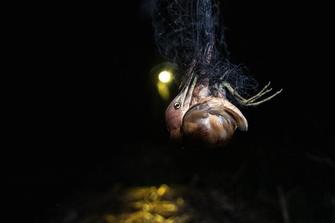
In Cambodia, the Buddhist practice of life release, intended to earn spiritual merit by freeing animals, results in suffering and death for millions of birds and other wildlife annually. Despite the ritual's compassionate intent, the commercial trapping and selling of animals for release has led to high mortality rates, environmental disturbance, and the decline of several bird species. Conservationists and some Buddhist communities are advocating for sustainable alternatives, such as donations to wildlife organizations, to protect Cambodia's wildlife while maintaining the practice's spiritual goals.

Religion Animal Welfare Environmental Conservation Cambodia Southeast Asia Vietnam Angkor Centre for Conservation of Biodiversity Dr Kit Magellan Choeun Lien Yiey Mao Christel Griffioen Frédéric Goes

Further and Further Away

Mekongreview 13 nov 2023 English

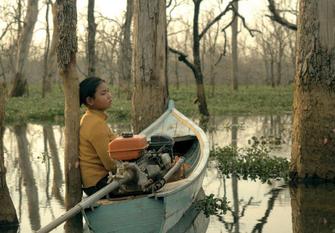
The Lower Sesan 2, Cambodia's largest hydropower dam, has been described as a development disaster, akin to climate disasters in its unnaturalness and avoidable consequences. Impact assessments predicted the displacement of Indigenous villagers, disruption of fish migration, and a significant reduction in the Mekong basin's fish biomass, affecting the diets and livelihoods of thousands.

Environmental Issues Development Cambodia Mekong Basin Anti-Archive Lower Sesan 2 Hydropower Dam

Bird hunting in Cambodia driven by poverty and lax enforcement

Dialogue Earth 15 oct 2023 English

Bird hunting in Cambodia is driven by poverty and weak law enforcement, with hunters using various techniques to trap birds for sale as wild meat. Despite conservation efforts, hunting remains rampant, threatening bird populations across Southeast Asia. Conservationists highlight the need for stricter enforcement, improved livelihoods, and education to curb hunting. The article discusses the challenges of enforcing wildlife laws and the socio-economic factors driving hunting, suggesting solutions like conservation-focused cash transfers and legal reforms to protect bird species.

Bird Hunting Poverty Wildlife Conservation Cambodia Southeast Asia Vietnam BirdLife International NatureLife Cambodia UN Environment Programme Wildlife Conservation Society Cambodia WWF Samnang
Estilo periodísticoEquilibrado

The article presents a mix of factual reporting and subjective analysis, highlighting the challenges and potential solutions to bird hunting in Cambodia.

Contexto políticoCentro

The article discusses policy and enforcement issues related to wildlife conservation without a clear political bias.

What future for the lemurs of Madagascar?

Naturevolution 21 dic 2022 French

Lemurs, unique primates found only in Madagascar, are the most endangered mammals in the world. The 2020 update of the IUCN Red List highlighted their critical status, with nearly all lemur species facing extinction. Deforestation, climate change, and poaching are the main threats to their survival. Madagascar has lost 40% of its forest cover between 1950 and 2000, and the situation is worsening. Protected areas have had some positive impact on forest cover but are only partially successful in halting biodiversity decline and often lack funding. The Makay region, with its diverse habitats and microclimatic gradients, could be a crucial refuge for lemurs, offering a north-south corridor for species migration and adaptation to climate change.

Endangered Species Wildlife Conservation Environmental Issues Madagascar International Union for Conservation of Nature (IUCN)

How to act against deforestation?

Naturevolution 13 mar 2022 French

The text outlines how overconsumption in wealthy regions, particularly Europe, drives global deforestation through demand for meat, soy, palm oil, chocolate and rubber. It emphasizes the impact of livestock production on land use and emissions, urging major dietary shifts. It encourages political engagement through voting, legal action and activism to push governments to adopt stronger environmental policies. Financial institutions are criticized for supporting deforestation-linked industries, with recommendations to choose ethical banks. The article promotes supporting NGOs, reducing consumption of palm oil, chocolate and rubber, and purchasing certified sustainable products. It concludes that while individual actions are limited, they remain essential alongside political pressure and support for reforestation projects.

Deforestation Climate change Environmental policy Sustainable consumption Global Brazil Indonesia Greenpeace FAO The Shift Project EELV LRM
Estilo periodísticoInterpretativo

Strongly opinionated environmental advocacy with prescriptive recommendations

Contexto políticoIzquierda

Environmental advocacy and criticism of liberal trade policies reflect left-leaning political framing

Training workshop on crown-of-thorns starfish management

Naturevolution 24 ago 2021 French

A coordinated initiative was launched in Sulawesi to improve detection and management of crown‑of‑thorns starfish infestations, a major cause of coral mortality in the Indo‑Pacific. A training workshop was held in Kendari with local authorities, researchers, conservation groups and dive clubs, combining remote theoretical instruction with practical field exercises. Participants learned monitoring protocols and techniques for injecting starfish using locally fabricated kits. The project includes creating an online resource hub and exploring a citizen‑reporting platform to support rapid response to new infestations.

Coral reef conservation Marine ecology Environmental management Sulawesi Indonesia Indo-Pacific IRD Naturevolution Indonesia Toli Toli Giant Clam Conservation BKSDA Southeast Sulawesi BPSPL Sulawesi Pascal Dumas
Estilo periodísticoInformativo

Mostly factual description of training, activities and organizations

Impacts and solutions to our electronic addiction

Naturevolution 20 ago 2021 French

Large-scale extraction of minerals such as nickel, lithium and rare earths drives pollution, habitat destruction and social inequities tied to the production of digital devices. Rapid turnover, low repairability and planned obsolescence worsen resource depletion and electronic waste, with recycling rates remaining low. Unequal burdens fall on poorer communities living near extraction and disposal sites. Some manufacturers increasingly restrict repairs, while others support modular and repairable designs. Initiatives promoting repair, reuse and refurbishment, along with responsible recycling programs, aim to reduce environmental pressure and limit further mining impacts.

Electronic waste Mining impacts Environmental pollution Sustainable technology Indonesia France Europe ADEME Global E-waste Monitor Low-Tech Lab Ecosystem Emmaüs
Estilo periodísticoEquilibrado

Mix of factual environmental analysis with subjective criticism of industry practices

In Quest of Stars in Sulawesi

Naturevolution 10 ago 2021 French

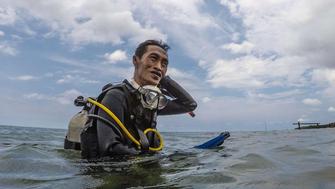
During initial dives in Matarape Bay, Sulawesi, the presence of the Crown-of-Thorns starfish, a significant threat to Indo-Pacific coral ecosystems, was noted. Despite their natural role in coral predation, population explosions of these starfish have led to extensive coral mortality. Human factors such as nutrient enrichment from waste and fertilizers, climate change, and overfishing of predators are implicated in these outbreaks. Local and regional communities heavily reliant on coral reefs for sustenance and employment stand to lose greatly from reef degradation. Collaborative efforts, including a local reef monitoring network and participatory science, are being implemented to manage and mitigate the impact of these starfish, with initiatives like OREANET playing a crucial role. The article also discusses the broader implications for the Coral Triangle and the importance of maintaining healthy reefs for marine biodiversity and human societies.

Marine Biology Environmental Conservation Sulawesi Indo-Pacific Coral Triangle UNESCO IRD (Institut pour la Recherche et le Développement) BKSDA (Natural Resources Conservation Agency) Pascal Dumas

The protector of the giant clams of Sulawesi

Naturevolution 19 abr 2021 French

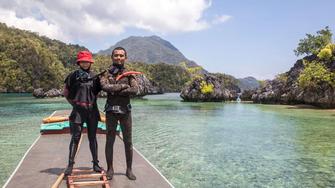
A conservation initiative in southeastern Sulawesi protects giant clams threatened by overharvesting, habitat degradation and illegal trade. Led by Habib and the Toli Toli Giant Clam Conservation group, thousands of clams have been gathered into monitored refuges that support ecosystem recovery and community awareness. The region hosts exceptional biodiversity with eight clam species and faces pressures from fishing, mining runoff and aquaculture demand. A new refuge near Labengki Island aims to enhance research, community engagement and sustainable tourism, with funding sought to continue collection, relocation and outreach efforts.

Marine conservation Biodiversity Environmental threats Sulawesi Indonesia Pacific Ocean Toli Toli Giant Clam Conservation Naturevolution CITES Habib Yann Bigant Imam
Estilo periodísticoInformativo

Mostly factual environmental reporting with occasional advocacy for conservation.

Safeguarding Sulawesi's Giant Clams

Naturevolution 19 abr 2021 English

Habib, founder of Toli Toli Giant Clam Conservation in Sulawesi, has dedicated the past decade to protecting giant clams, which are crucial for the health of Pacific coral reefs. The organization has relocated 8,000 clams of 8 different species to no-take zones, with local fishermen's agreement, to safeguard them from illegal fishing. Giant clams contribute to reef biodiversity and act as natural water filters. Despite their protected status in Indonesia and CITES regulations, they face threats from overfishing, the aquarium trade, and environmental impacts from mining and agriculture. Naturevolution has partnered with Toli Toli to further conservation efforts, including creating a new shelter for giant clams within the Teluk Lasolo protected area.

Marine Conservation Biodiversity Sulawesi Indonesia Coral Triangle Toli Toli Giant Clam Conservation BKSDA (Natural Resources Conservation Agency of Indonesia) CITES (Convention on International Trade in Endangered Species of Wild Fauna and Flora) Habib

Ver los 25 trabajos con una cuenta gratuita

Contratar Mensaje
×

Regístrate para enviar un mensaje a Yann

¿Ya tienes una cuenta? Iniciar sesión
¿Buscas trabajo? Regístrate como periodista
Verifica tu correo electrónico para completar el registro
Acabamos de enviar un correo electrónico a . Revisa tu bandeja de entrada y haz clic en el enlace para verificar tu dirección de correo electrónico y completar tu registro. Si no ves el correo, asegúrate de revisar tu carpeta de spam o correo no deseado.
¿No recibiste el correo electrónico?

Regístrate para desbloquear perfiles

¿Ya tienes una cuenta? Iniciar sesión
¿Buscas trabajo? Regístrate como periodista
Verifica tu correo electrónico para completar el registro
Acabamos de enviar un correo electrónico a . Revisa tu bandeja de entrada y haz clic en el enlace para verificar tu dirección de correo electrónico y completar tu registro. Si no ves el correo, asegúrate de revisar tu carpeta de spam o correo no deseado.
¿No recibiste el correo electrónico?