Al JazeeraMiddle East EyeViceThe TelegraphThe Mail & GuardianQuartzThe Globe and MailGlobal Voices по-русскиMartin PlautNewlinesmagopenDemocracyRestofworldContextAddis StandardBusiness LiveECFROPride.comOpen CanadaSight MagazineThe NationalThe Washington PostContinentDehaiCourrierinternationalHorndiplomatInklThebureauinvestigatesYahoo
Trabajo 147
UAE-backed Chinese Company Acquires Stake in Ethiopian Gold Mine Near Sudan War Zone
Middle East Eye18 ago 2026English
Canadian mining company Allied Gold sold a roughly 9.2 percent stake to China’s Zijin Gold International for just under $300 million, giving the Chinese company partial ownership of the Kurmuk gold concession in western Ethiopia. The site lies near Sudan’s Blue Nile war front and an Ethiopian logistics hub allegedly used by the UAE and Ethiopia to support Sudan’s Rapid Support Forces. The deal follows failed attempts by both Zijin and an Emirati company to acquire larger stakes in Allied Gold, and strengthens UAE-linked involvement through the Abu Dhabi Investment Authority’s holdings in Zijin Mining. Allied Gold expects to begin operations at Kurmuk and produce up to 270,000 ounces of gold in 2027, but the acquisition raises concerns that mining revenues could intersect with regional conflict financing and illicit gold networks connected to the RSF. Allied Gold and Zijin did not provide substantive responses, while the UAE and Ethiopia deny involvement in Sudan’s war.
Gold MiningSudan WarEthiopiaUnited Arab Emirates InvestmentConflict FinancingArms TransfersSudanUnited Arab EmiratesAbu Dhabi Investment AuthorityRapid Support ForcesEthiopian governmentEthiopian army
Estilo periodísticoEquilibrado
Predominantly reported and evidence-based, but investigative framing and concern about the deal’s strategic implications introduce some evaluative language.
De opiniónFactual
Contexto políticoCentroizquierda
Investigative coverage foregrounds alleged state complicity, conflict financing and humanitarian consequences while presenting denials and competing positions.
Extrema izquierdaExtrema derecha
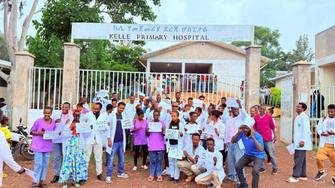
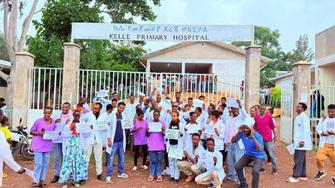
What is behind the mass arrests of Ethiopian doctors?
Global Voices31 jul 2025Spanish
Mass arrests of Ethiopian doctors followed a nationwide strike driven by low wages, poor working conditions, and insecurity in conflict‑affected regions. Authorities accuse medical workers of political agitation, while rights groups argue the detentions violate constitutional freedoms. The strike, organized by the clandestine Ethiopian Health Professionals Movement, disrupted hospitals across the country and exposed chronic underfunding of the health sector amid economic collapse, currency devaluation, and IMF‑linked austerity. Despite government claims of progress in negotiations, leaked documents indicate attempts to intimidate and replace striking staff, and doctors warn that a second strike phase may follow if reforms fail to materialize.
Labor rightsHuman rightsHealthcare crisisPolitical repression in EthiopiaEthiopiaTigrayAmharaEthiopian GovernmentAmnesty InternationalHuman Rights WatchMovimiento Etíope de Profesionales de la SaludFondo Monetario Internacional
Estilo periodísticoEquilibrado
Mix of factual reporting and quoted subjective viewpoints about political repression and labor rights
De opiniónFactual
Contexto políticoCentroizquierda
Focus on labor rights, government repression, and criticism of austerity and political leadership
Extrema izquierdaExtrema derecha
What’s behind the mass arrests of Ethiopian doctors?
Global Voices15 jul 2025English
Ethiopian doctors have faced mass arrests following a nationwide strike launched by the Ethiopian Health Professionals Movement to protest low wages, exploitative working conditions, and safety concerns. Authorities charged medical workers with collaborating with foreign forces, while international organizations and human rights advocates argue the detentions violate freedom of expression and assembly. Economic pressures driven by IMF-linked austerity, currency devaluation, and a freeze in USAID health funding have further strained the healthcare sector. Despite government claims that negotiations are progressing, leaked documents show intimidation and attempts to replace striking staff. The movement warns that a second strike phase could begin if reforms are not implemented by mid-September 2025.
Labor strike in EthiopiaHuman rights violationsHealthcare crisisAuthoritarianism in EthiopiaEthiopiaTigraySomalilandEthiopian Health Professionals MovementEthiopian governmentAmnesty InternationalHuman Rights WatchInternational Monetary Fund
Estilo periodísticoInterpretativo
The article blends factual reporting with substantial advocacy and subjective assessments about government repression.
De opiniónFactual
Contexto políticoIzquierda
Critical of government repression, austerity policies, and prioritization of state vanity projects over social welfare.
Extrema izquierdaExtrema derecha
At least 50 African people at risk of imminent execution in Saudi Arabia
Middle East Eye27 jun 2025English
Dozens of Ethiopians and Somalis on death row in Saudi Arabia face imminent execution for drug trafficking, with executions reportedly resuming after a brief moratorium. Amnesty International and other human rights organizations have documented a rise in executions, while families and governments of the affected individuals are appealing for clemency. The article highlights the plight of individuals like Khalid Mohammed Ibrahim, who was sentenced to death under controversial circumstances, and criticizes the Saudi judicial system for its harsh penalties and lack of due process.
ExecutionsHuman RightsDrug TraffickingSaudi ArabiaEthiopiaSomaliaAmnesty InternationalEuropean Saudi Organization for Human RightsEthiopian EmbassySomali governmentUNMohammed bin Salman
Estilo periodísticoInterpretativo
The article contains subjective statements and perspectives from various stakeholders, indicating a mix of opinion and fact.
De opiniónFactual
Contexto políticoCentroizquierda
The article focuses on human rights issues and criticizes the judicial practices in Saudi Arabia.
Extrema izquierdaExtrema derecha
I uncovered the horrors inside Saudi detention centres – now all anyone cares about is football
The Telegraph26 oct 2024English
The reporter recalls documenting the severe mistreatment of Ethiopian migrants detained in Saudi Arabia in 2020, including overcrowding, disease, beatings and inadequate care. The investigation, alongside Human Rights Watch research, drew international attention and contributed to an EU Parliament resolution; a repatriation agreement later returned more than 30,000 migrants home, but many people remain detained and Saudi border guards have been accused of killing Ethiopians near Yemen. The piece argues that Saudi Arabia's growing role in international football—including its recruitment of major stars, the Public Investment Fund's purchase of Newcastle United, and its expected hosting of the 2034 World Cup—has helped divert attention from ongoing human rights abuses.
Human RightsMigrant DetentionSportswashingSaudi Arabia and FootballSaudi ArabiaEthiopiaYemenSaudi Public Investment FundEuropean ParliamentHuman Rights WatchEthiopian governmentZecharias Zelalem
Estilo periodísticoInterpretativo
Strongly critical commentary argues that Saudi Arabia's use of football to distract from human rights abuses is succeeding.
De opiniónFactual
Contexto políticoCentroizquierda
Emphasizes migrant rights and criticizes state abuses and sportswashing without advancing a broader partisan platform.
Extrema izquierdaExtrema derecha
Families want justice, ‘blood money’ for AU peacekeeper killings in Somalia
Al Jazeera15 oct 2024English
The article discusses the demand for justice and compensation by families of victims killed by African Union peacekeepers in Somalia. The killings, including the Golweyn massacre, have sparked outrage and calls for accountability. Despite some soldiers being sentenced, families claim inadequate compensation and coercion into agreements. The African Union's peacekeeping mission, AMISOM, has faced criticism for civilian abuses, and its successor, ATMIS, struggles with financial issues. The article highlights the challenges of holding peacekeepers accountable and the cultural significance of 'blood money' in Somali society.
AU Peacekeeper KillingsSomalia ConflictCompensation for VictimsSomaliaEthiopiaUgandaAfrican UnionAMISOMATMISEthiopian GovernmentUgandan GovernmentOmar Hassan Warsame
Estilo periodísticoInterpretativo
The article contains subjective statements and perspectives from affected families and officials.
De opiniónFactual
Contexto políticoCentroizquierda
Focus on human rights and accountability for peacekeeper actions.
Extrema izquierdaExtrema derecha
Coordinates Identified for Ethiopian Drone Massacre in Amhara, Opening Way for War Crimes Probe
The Continent (in partnership with Mail & Guardian)14 oct 2024English
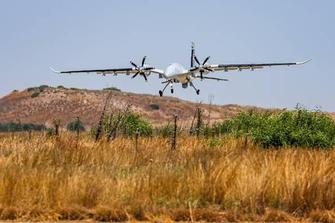
An investigation combined eyewitness accounts, photographs, video, public records and satellite imagery to pinpoint the site of a 19 February drone strike that killed at least 30 civilians in Ethiopia’s Amhara region. The likely location is a four-way intersection near Fela, about nine kilometres west of Sasit, giving future war-crimes investigators a specific place to examine. Ethiopian authorities said the operation targeted rebels and denied civilian deaths, while witnesses and earlier media reports described civilians among the victims. The strike occurred amid a wider conflict between federal forces and the Fano militia, in which reports documented more than 300 civilian deaths in at least 31 drone strikes over the previous year. The army has announced a major new offensive against Fano.
Ethiopia conflictDrone strikesCivilian casualtiesWar crimes investigationHuman rightsAmhara, EthiopiaEthiopiaAddis AbabaEthiopian National ArmyFano militiaInternational Organization for MigrationArmed Conflict Location and Event Data project
Estilo periodísticoFactual
Evidence-led investigative reporting, with factual claims attributed to sources and limited evaluative language.
De opiniónFactual
Contexto políticoCentro
Reports on the conflict and allegations through evidence and attributed statements without endorsing a political faction.
Extrema izquierdaExtrema derecha
Coordinates identified for Ethiopian drone massacre in Amhara, opening way for war crimes probe
Mail & Guardian14 oct 2024English
The article reports on the identification of coordinates for a drone massacre in Ethiopia's Amhara region, potentially paving the way for a war crimes investigation. The massacre, which occurred on February 19, resulted in the deaths of at least 30 civilians. The Ethiopian National Army and the Fano militia, former allies, are now in conflict, with the army accused of human rights abuses. Misganaw Belete, a human rights advocate, provided evidence that helped geolocate the massacre site. The Ethiopian government has announced a new offensive against the Fano militias, claiming peaceful resolutions have failed.
War in EthiopiaDrone StrikesWar Crimes InvestigationAmharaEthiopiaAddis AbabaEthiopian National ArmyFano MilitiaInternational Organisation for MigrationMisganaw BeleteBillene SeyoumColonel Getnet Adane
Estilo periodísticoEquilibrado
The article presents factual information but includes subjective accounts and emotional testimonies.
De opiniónFactual
Contexto políticoIzquierda
Focus on human rights abuses and war crimes investigation.
Extrema izquierdaExtrema derecha
Ethiopia: We knew a massacre had taken place. But we did not know where – until now
The Continent12 oct 2024English
In February, a drone strike in northwestern Ethiopia's Amhara region killed over 30 civilians, amid a conflict between the Ethiopian army and the Fano militia. Despite initial challenges in confirming the location, The Continent's investigation pinpointed the massacre site using new evidence and satellite imagery. The Ethiopian government has denied civilian casualties, while the army plans a new offensive against Fano militias. The conflict, underreported globally, has seen significant civilian casualties and human rights abuses.
War in EthiopiaDrone StrikesHuman Rights AbusesAmharaEthiopiaTigrayEthiopian National ArmyFano MilitiaInternational Organisation for MigrationMisganaw BeleteBillene SeyoumColonel Getnet Adane
Estilo periodísticoEquilibrado
The article presents a mix of factual reporting and subjective interpretation, especially in the context of the conflict and the investigation.
De opiniónFactual
Contexto políticoIzquierda
The article highlights human rights abuses and the plight of civilians, often associated with left-leaning perspectives.
Extrema izquierdaExtrema derecha
No place to go: As Israel bombs Lebanon, African migrants feel abandoned
Al Jazeera5 oct 2024English
African migrant workers in Lebanon, particularly from Ethiopia, face dire conditions amid Israeli airstrikes targeting Hezbollah. Many are displaced, with limited access to shelters due to their migrant status. The kafala system exacerbates their vulnerability, offering no legal protection against abuse. Diplomatic support from African countries is minimal, leaving migrants feeling abandoned. Humanitarian organizations struggle to provide adequate aid, as the ongoing conflict and Lebanon's financial crisis worsen the situation.
Israel-Lebanon ConflictMigrant CrisisHuman RightsLebanonIsraelEthiopiaHezbollahMinistry of HealthAmnesty InternationalHuman Rights WatchUnited NationsInternational Organization for Migration
Estilo periodísticoInterpretativo
The article contains subjective statements and personal accounts, highlighting the struggles and opinions of migrant workers.
De opiniónFactual
Contexto políticoIzquierda
The article highlights human rights abuses and the plight of marginalized communities, aligning with left-leaning perspectives.
Respetamos su privacidad y utilizamos un número limitado de cookies para ofrecer funciones esenciales y mejorar su visita. No se utilizan cookies publicitarias de terceros. Para más detalles, lea nuestra Política de cookies.