 Contratar agora
 Enviar mensagem para Isa-Lee
Idiomas
africâner
inglês
Reservas concluídas
18
Taxa de sucesso de reservas
100%
Costuma responder
Em um dia
Quer um perfil como este?
Junte-se a milhares de profissionais de imprensa que usam a journalist.net para divulgar seu trabalho e serem contratados pelos principais veículos de mídia.
Começar
Veja como funciona
Conecte-se pela Journalist.net
1
Profissionais verificados
Cada jornalista nesta plataforma foi verificado manualmente pela nossa equipe de Londres. Você está se conectando com um profissional de imprensa confirmado.2
Interação protegida
Protegemos os dados de contato dos jornalistas e oferecemos cobertura de seguro para todas as reservas. Ambas as partes trabalham com confiança e segurança.3
Pagamento seguro
Os pagamentos são mantidos em custódia e liberados quando o trabalho é entregue. Os jornalistas têm o pagamento garantido; os clientes aprovam antes que os fundos sejam finalizados.Ainda tem dúvidas?
Consultar perguntas frequentesAbout Isa-Lee
Sou documentarista, produtor e jornalista investigativo baseado na Cidade do Cabo, África do Sul. Os documentários que produzi para a BBC incluem "The Apartheid Killer" e "White Asylum: America's South African Refugees". Produzi vídeos para Habitat for Humanity e Voice of America através deste site. Meu site pode ser visto em ****. Eu filmo e edito meus próprios trabalhos e possuo meu próprio equipamento de câmera. Além da África do Sul, gravei filmes em Moçambique, Malawi, Zimbábue, Quênia, Lesoto e Tanzânia.
Portfólio
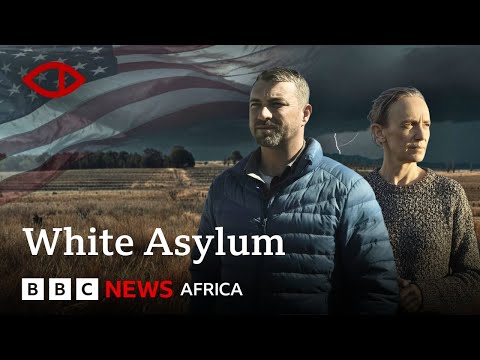
In February 2025, US President Donald Trump signed an executive order offering prioritised refugee status to Afrikaner farmers hoping to escape what he described as a “genocide” in South Africa.
With America’s 2026 refugee intake capped at just 7,500 people, President Trump’s move to prioritise resettlement of white South African farmers reignited global controversy when he referenced widely disputed claims of forced appropriation of land and a “genocide” against white farmers - claims amplified online by South Africa’s richest man, Elon Musk.
#BBCAfricaEye reporter Claire Mawisa travels to South Africa’s Free State to uncover the truth behind these claims. She meets farmers fearing for their lives after brutal attacks, and others who insist the “white genocide” narrative distorts a far more complex story of crime, inequality, and fear that spreads across races and classes.
In the late 1980s, private security guard Louis van Schoor fatally shot dozens people in the South African city of East London. All of his victims were black. The youngest was just 12 years old.
It is a bloodbath that places Van Schoor among the most prolific killers in history. He was caught and arrested in 1991. But with many of his shootings signed off by local police as ‘justifiable homicides,’ he would receive a shockingly light sentence - serving only 12 years in jail. Decades have past, but the relatives of his victims have never found closure.
How many people did Van Schoor really kill? And who else was involved?
It's been thirty years since the white supremacist apartheid regime crumbled. The unresolved trauma of this time has cast a long shadow across a nation.
In piecing together the story of Van Schoor, this #BBCAfricaEye investigation exposes the disturbed past and racial injustices of South Africa itself.
Thousands of homes are destroyed by fire in informal settlements every year. This is what inspired Capetonian engineer, Francois Patousis, to invent a new fire detector for shacks.

The sale of a school in a wealthy Cape Town suburb brings the need for affordable housing close to the city centre into the spotlight. This 3 minute 30 sec film was made for Voice of America.
A film made in Mozambique in 2016 for the Egmont Trust. In 2007 The Egmont Trust, a UK-based charity that helps children in Africa living with HIV and AIDS, began funding Meninos de Moçambique, an organisation that supports street children in Maputo. This film follows the life story of Aida, a young woman who was once a street child herself and who Meninos helped. It was commissioned by Egmont in 2016 and is being used as a fundraising film.
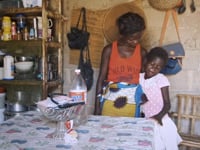
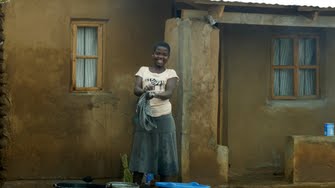
Photo taken in Kauma informal settlement, Lilongwe, Malawi, on assignment with Habitat for Humanity