Middle East EyeBBCControl Arms BlogTerraAcervoOpovoG1El TiempoPBS NewsHourThe TelegraphThe TimesRsn24HorasEL IMPARCIAL | Noticias de México y el mundoOnet.plThe GuardianUOL Eleições 2018Es UsNewsNewyorker
Work 121
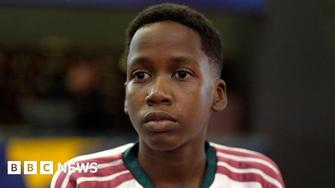
Real Madrid's Vinícius Júnior sends surprise message to Sudanese boy who lost his legs in war
BBC News11 Nov 2026English
Sudanese teenager Zaher, who lost both legs in a 2024 drone strike in Khartoum, has regained mobility and confidence after surgery, rehabilitation and prosthetic legs in Cairo. A campaign led by Sudanese-origin UK lawyer Dena Latif raised £45,000 for his care. Real Madrid winger Vinícius Júnior sent Zaher a personal video message and invited him to a match. Zaher and his mother have returned to Khartoum, where they hope his prosthetics can be maintained, despite ongoing insecurity and widespread food insecurity. His recovery has drawn attention to the many Sudanese children whose lives have been affected by the war.
Sudan WarChild Injury and RehabilitationHumanitarian CrisisProstheticsFootballSudanCairo, EgyptKhartoum, SudanSudanese Armed ForcesRapid Support ForcesUNICEFBBC
Reporting styleInformative
Primarily factual reporting, with empathetic language and quotes conveying the subjects' experiences.
OpinionatedFactual
Yemen: Children brave snipers and mortars to go to school near front line
BBC News6 Oct 2026English
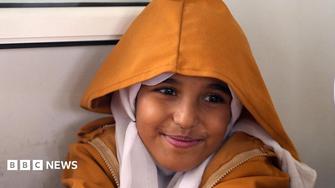
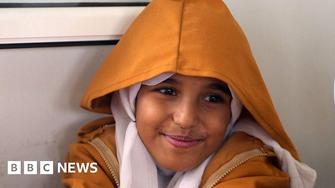
In Taiz, Yemen, a school sits beside a contested front line between forces supporting the internationally recognised government and the Iran-backed Houthis. Ten-year-old Rafeef and her younger brother walk uphill to school with their backs exposed to Houthi sniper positions, and she says she is afraid.
Yemen civil warChildren and education in conflict zonesSnipers and mortar attacksTaizYemenYemen's internationally recognised governmentHouthisRafeef
Reporting styleFactual
Factual reporting based on descriptions of children’s daily journeys and the conflict setting.
OpinionatedFactual
Yemen: Children brave snipers and mortars to go to school near front line
BBC News6 Oct 2026English
Children in Taiz, Yemen, face sniper fire and mortar attacks on their way to school as fighting between Houthi forces and the internationally recognised government intensifies. Ten-year-old Rafeef continues attending school despite the danger and a previous mortar injury, hoping to become a doctor. The report describes the city's shifting front lines and disrupted supply route, as well as the killing of three-year-old Ahmed and the critical injuries of 11-year-old Amjad in a mortar strike. Teachers, families and medical staff describe constant fear and call for peace and safety.
Yemen Civil WarChildren in ConflictEducationCivilian CasualtiesHumanitarian CrisisTaiz, YemenYemenAden, YemenHouthisYemen's internationally recognised governmentUnicefYemeni government forces
Reporting styleInformative
Primarily factual reporting, with emotionally vivid descriptions and quoted personal perspectives.
OpinionatedFactual
Political contextCentre
Reports on the conflict and its civilian consequences without endorsing a political position.
Far leftFar right
BBC enters Yemen’s frontline city as Houthis fight for control
BBC News Somali29 Sep 2026Somali
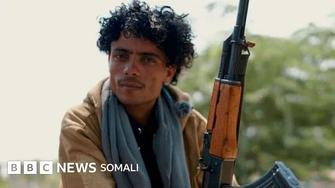
Fighting has intensified around Taiz after the Houthis captured the strategic Red Sea port of Mokha on September 10, following the collapse of a four-year ceasefire. Government forces, backed by Saudi Arabia, are trying to push the Houthis back, while the two sides contest strategic hills and routes. Frontline reporting describes airstrikes, casualties, and civilians trapped or displaced by the fighting. Residents and aid workers report severe hardship, including children and other civilians wounded, families fleeing Mokha, and displaced people arriving at overcrowded camps. The conflict also highlights divisions among government-aligned forces and renewed concerns about Houthi recruitment of children.
Primarily factual frontline reporting, with vivid descriptions of civilian suffering and some emotionally evocative language.
OpinionatedFactual
Political contextCentre
The report presents the conflict and claims from opposing sides without endorsing a political position.
Far leftFar right
Inside Yemen's front-line city as Houthis battle for control
BBC News27 Sep 2026English
Fighting has intensified around Taiz after Houthi forces seized the Red Sea port of Mokha, raising concerns about control of nearby strategic routes and the Bab al-Mandab Strait. Government forces and the Houthis are contesting high ground west of Taiz, while residents face shelling, casualties and displacement. Civilians describe fleeing with little or nothing, and hospitals are treating wounded fighters and residents, including children. The UN refugee agency reported more than 130,000 people displaced in Yemen during the month and warned that many more could be forced from their homes.
Yemen Civil WarBattle of TaizHouthi offensiveDisplacement and humanitarian crisisRed Sea shipping securityTaiz, YemenMokha, YemenYemenHouthisYemeni governmentPresidential Leadership CouncilSaudi Arabia
Reporting styleFactual
Primarily factual on-the-ground reporting, with vivid descriptions of fighting and civilian suffering.
OpinionatedFactual
Political contextCentre
Conflict-focused reporting presents claims and positions from opposing parties without evident partisan advocacy.
Far leftFar right
Inside Yemen's front-line city as Houthis battle for control
BBC News27 Sep 2026English
A BBC team travels with Saudi-backed Yemeni government forces near Taiz, where the front line is difficult to distinguish and Houthi fighters are battling for control. The report describes a suspected drone overhead followed by strikes and situates the fighting amid Houthi advances along the Red Sea coast, including the capture of a key shipping chokepoint.
On-the-ground reporting presented in a factual, descriptive manner.
OpinionatedFactual
BBC visits the school in Iran where 120 children were killed in an attack
BBC News Azərbaycanca27 Jul 2026Azerbaijani
A BBC reporting team visits the Shajareh-ye Tayyebeh primary school in Minab, southern Iran, where a 28 February strike killed 156 people, including 120 children, a pregnant woman and her unborn baby. Survivor and teacher Amaineh Nademi and rescue worker Reza Basharati describe the collapse, deaths and recovery of fragmented remains. Evidence reviewed by experts points to a US strike on a nearby Islamic Revolutionary Guard Corps complex, possibly involving a Tomahawk missile, although the United States has not accepted responsibility. US officials say the school may have been mistakenly classified as part of an active military site, while Iran rejects that claim and says the school had been separated from the complex since 2016. The investigation remains unpublished, and the attack has become a powerful symbol of civilian suffering and a central point in Iran's criticism of US military operations.
Iran WarCivilian CasualtiesSchool AttackUS-Iran ConflictMilitary InvestigationsMinab, IranIranUnited StatesIranian Islamic Revolutionary Guard Corps (IRGC)United States Armed ForcesUnited States Central Command (CENTCOM)Iranian Ministry of Foreign Affairs
Reporting styleInformative
Predominantly fact-based investigative reporting, though it includes emotionally charged testimony and criticism from victims' relatives.
OpinionatedFactual
Political contextCentre
The report presents evidence, official claims and victims' testimony without adopting a clear partisan political position.
Far leftFar right
‘What crime did they commit?’: BBC visits school in Iran where 120 children were killed in an attack
Correio Braziliense26 Jul 2026Portuguese
A BBC report from Minab, southern Iran, examines the aftermath of a 28 February attack on Shajareh Tayyebeh Primary School that killed 156 people, including 120 children. Teacher Amaineh Nademi, rescue worker Reza Besharati and bereaved mother Masoumeh Mehran Shekhabadi describe the destruction, recovery of victims and continuing grief. Evidence indicates that a US strike targeting an adjacent Islamic Revolutionary Guard Corps complex hit the school, possibly because outdated intelligence incorrectly identified it as part of a military site. The United States has not accepted responsibility, and its investigation remains unpublished, while Iranian authorities use the incident to challenge Washington’s portrayal of the war and emphasize its devastating civilian cost.
Iran WarCivilian CasualtiesAttack on a SchoolMilitary InvestigationChildren in ConflictMinab, IranIranUnited StatesIslamic Revolutionary Guard Corps (IRGC)United States Armed ForcesIranian Red Crescent SocietyUnited States Central Command (CENTCOM)
Reporting styleInformative
Fact-based investigative reporting, though it uses emotionally charged firsthand accounts and descriptions of the victims’ suffering.
OpinionatedFactual
Political contextCentre
The report presents competing Iranian and US claims, focuses on civilian harm and investigative evidence, and does not endorse a clear partisan political position.
Far leftFar right
What crime did they commit? BBC visits Iranian school where 120 children were killed in an attack
BBC News Brasil26 Jul 2026Portuguese
A BBC investigation visits the remains of Shajareh Tayyebeh primary school in Minab, Iran, where an attack on February 28 killed 156 people, including 120 children. Teacher Amaineh Nademi and bereaved mother Masoumeh Mehran Shekhabadi describe the destruction, rescue effort, and difficulty identifying victims. Evidence reviewed by specialists indicates that U.S. forces struck the school alongside an Islamic Revolutionary Guard Corps complex, possibly because outdated intelligence incorrectly classified the school as part of a military site. The United States has not accepted responsibility, and its investigation remains unresolved, while Iran uses the attack as evidence of the devastating civilian costs of the war.
Iran WarCivilian CasualtiesAttack on Minab SchoolWar Crimes and AccountabilityGrief and BereavementMinab, IranIranUnited StatesIslamic Revolutionary Guard Corps (IRGC)United States governmentUnited States Central Command (CENTCOM)Iranian Red Crescent Society
Reporting styleInformative
Predominantly fact-based investigative reporting, though it includes emotionally powerful testimony and descriptions of the civilian suffering.
OpinionatedFactual
Political contextCentre
A fact-focused investigation presenting Iranian civilian testimony, U.S. explanations, and competing claims without adopting a clear partisan ideological position.
Far leftFar right
“What crime did they commit?”: BBC visits Iranian school where 120 children were killed in attack
BBC News Brasil26 Jul 2026Portuguese
A BBC investigation from Minab, southern Iran, documents the aftermath of a February 28 attack on Shajareh Tayyebeh Primary School that killed 156 people, including 120 children. Survivor testimony describes the collapse of the school, the rescue effort and the difficulty of identifying victims. Satellite imagery, video analysis and military maps indicate that U.S. forces likely struck the school while targeting an adjacent Islamic Revolutionary Guard Corps complex, possibly because outdated intelligence treated the school as part of a military site. The United States has not accepted responsibility; its investigation remains unpublished, while Iranian officials reject the claim that the school was on an active missile base. The attack has become a central symbol of civilian suffering in the war and a powerful propaganda and political issue for Iran.
Iran WarCivilian CasualtiesAttack on a SchoolChildren in Armed ConflictUnited States-Iran ConflictWar Crimes InvestigationsMinab, IranIranUnited StatesIslamic Revolutionary Guard Corps (IRGC)United States Armed ForcesUnited States Central Command (CENTCOM)
Reporting styleInformative
Predominantly factual investigative reporting, though the extensive survivor testimony and emphasis on civilian suffering create a strong humanitarian framing.
OpinionatedFactual
Political contextCentre
The report presents competing Iranian and U.S. accounts, scrutinizes evidence from satellite imagery and military investigations, and focuses on civilian consequences rather than advocating a partisan political position.
We respect your privacy and use a limited number of cookies to provide essential functionality and enhance your visit. No third-party advertising cookies involved. For more details, please read our Cookie Policy.