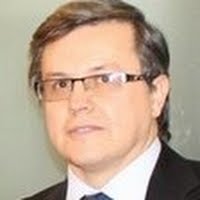
Christopher Guly
Ottawa, Canada
- Bookings Completed
- 3
Member of the Canadian Parliamentary Press Gallery in Ottawa and have reported for a host of media outlets, including The New York Times, the Los Angeles Times, BBC, The Daily Telegraph and The Guardian.
Seen in The Playlist, Affaires universitaires, University Affairs +6 more
Referendums: When Yes and No Divided Quebec’s Campuses
Reporting style, Factual: Primarily factual historical reporting, with attributed recollections and analysis.
Political context, Centre: Historical and explanatory coverage presents arguments and activism on both the Yes and No sides without endorsing either.
Quebec’s 1980 and 1995 sovereignty referendums deeply engaged university communities, with academics and students taking positions on both sides while university administrations and several faculty organizations generally remained neutral. The Yes movement drew support from many francophone academics and student groups, while anglophone academics were more commonly aligned with No. Student organizations’ involvement evolved between the two votes, and the close 1995 result left some participants arguing that campus polling stations could have affected turnout. Looking toward a possible third referendum, observers expect institutional neutrality but anticipate renewed debate shaped by more diverse campuses and emerging student sovereignty groups.
Truth and Reconciliation: An International Perspective
Reporting style, Balanced: Mostly explanatory, but advocates for multilingual approaches as a way to advance inclusion and reconciliation.
The University of the Fraser Valley’s Leq’áleq’el video series features faculty sharing personal reflections on decolonization, Indigenization, and reconciliation in seven languages, with English subtitles. The authors say speaking in their own languages made contributors’ accounts more personal and emotionally resonant, while helping immigrant, refugee, and multilingual perspectives take part in reconciliation discussions. They argue that multilingual approaches can challenge English-language dominance in higher education, foster inclusion, and connect reconciliation with language, migration, memory, and lived experience. The article encourages viewers and institutions to use the videos to build respectful relationships and take practical steps toward reconciliation.