Marta Moreiras
Dakar, Senegal
I am a documentary photographer, visual journalist and filmmaker based in Dakar, Senegal, where I have lived and worked since 2015. My reporting explores the intersection of social justice, gender, migration, cultural he…
Seen in El País, Euronews, BBC +5 more
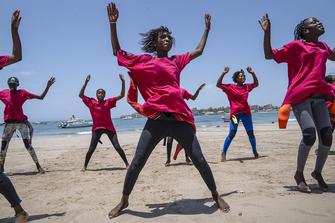
Riding Waves, Rewriting Futures: The Surfer Changing Girls’ Lives in Senegal
Reporting style, Informative: Predominantly factual and reported, with a human-interest narrative and limited persuasive framing.
Professional surfer Khadjou Sambe, widely described as Senegal’s first professional female surfer, founded the Black Girls Surf Academy in Ngor, Dakar, to give girls access to surfing, mentorship and education. The programme challenges social expectations that discourage girls from participating in sport and helps address school dropout, particularly among girls facing poverty, household responsibilities and early-marriage pressures. With support from the wider Black Girls Surf initiative founded by Rhonda Harper, the academy serves girls aged seven to seventeen and promotes confidence, physical wellbeing and ambition through surfing and related activities. Although resistance remains, increasing participation and parental acceptance are gradually expanding girls’ visibility and opportunities in Senegal’s coastal communities.
“I beg you, Donald Trump. People will die!”: USAID funding cuts threaten two decades of progress against malaria in Guinea
Reporting style, Balanced: Blends factual reporting with interpretive concerns about consequences of US aid cuts.
Political context, Right: Critical of right-wing US administration’s foreign aid cuts and their consequences
US funding cuts under President Trump have disrupted malaria control programs in Guinea, leading to halted community health services, job losses for health workers, and reduced access to diagnostics, mosquito nets, and medications. Officials and experts warn that malaria cases and deaths will rise, especially among children and pregnant women, reversing major gains achieved over two decades through the Presidential Malaria Initiative and the Global Fund. While some assistance has been reinstated, the dismantling of USAID, termination of contracts, and uncertainty over future funding have left the country’s health system strained and vulnerable, prompting calls for Guinea to increase domestic investment to sustain malaria efforts.