Yu Jiang
Uppsala, Schweden
- Abgeschlossene Buchungen
- 28
Jiang Yu ist Journalist und Produzent mit Sitz in Uppsala, Schweden. Das Podcast-Programm, das er produzierte und moderierte, gewann einen SOPA award (Excellence in Audio Reporting 2024) für ****. Er verfasste außerdem L…
Gesehen in Mdpi, Nature, Onlinelibrary +14 weitere
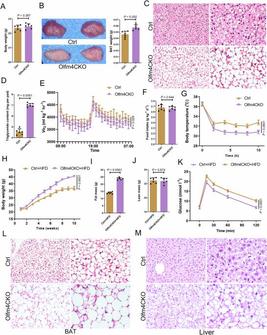
Brown adipose tissue secretes OLFM4 to coordinate sensory and sympathetic innervation via Schwann cells
Berichtsstil, Faktenbasiert: Complete fact: The article is a scientific study with detailed experimental data and analysis.
The study investigates the role of OLFM4 in brown adipose tissue (BAT) and its impact on thermogenesis and obesity. OLFM4 expression in BAT is thermoadaptive, increasing with cold exposure and decreasing in thermoneutral conditions. The research demonstrates that OLFM4 is crucial for maintaining Schwann cell function, which in turn supports sensory and sympathetic nerve innervation in BAT. The absence of OLFM4 leads to Schwann cell dysfunction, reduced nerve innervation, and impaired thermogenesis, making mice more susceptible to cold and diet-induced obesity. The study also explores the potential therapeutic implications of targeting OLFM4-BMP7-MEK/ERK signaling to enhance BAT function and address obesity.
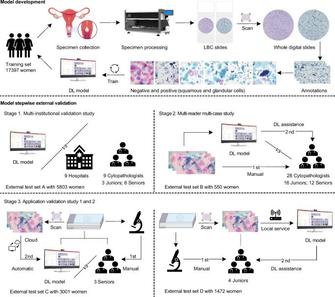
Deep learning enabled liquid-based cytology model for cervical precancer and cancer detection
Berichtsstil, Informativ: The article presents a balanced view with a focus on factual data and research findings.
The study explores the development and validation of a deep learning (DL) model for detecting cervical intraepithelial neoplasia grade 2 or worse (CIN2+) using liquid-based cytology slides. The DL model demonstrated high diagnostic performance, exceeding the average performance of cytopathologists, particularly benefiting junior practitioners. The model was validated across multiple hospitals in China, showing potential to improve diagnostic accuracy and efficiency, reduce unnecessary colposcopy referrals, and assist in triaging HPV-positive women. Challenges include integration into clinical workflows and ensuring cost-effectiveness. The study supports the use of DL as a supplementary tool to enhance cytopathological practice.