الناشرون وهيئات البث فرق تسويق المحتوى فرق العلاقات العامة والاتصال فرق المخاطر والاستخبارات الصحفيون والمهنيون الإعلاميون الرصد الإعلامي الأسعار

نبذة عن Sam

Sam K. صحفي وباحث في سياسات البيئة مقيم في تورونتو يعمل على جمع بين العلوم والسياسات العامة والتقارير الاستقصائية حول إيران والشرق الأوسط. تركز تقاريره وتحليلاته على التنوع البيولوجي وحوكمة المياه وسياسة العلوم والتأثيرات المجتمعية للتغير البيئي، بما في ذلك تداعياتها على رفاهية الإنسان وحقوق الإنسان. يحمل شهادة PhD in Natural Resource Management, specialising in Spatial Ecology، من University of Twente في هولندا. تدعم خلفيته العلمية تقاريره وتحليلاته المتعلقة بحوكمة البيئة والسياسات البيئية. عمل مع منظمات إعلامية دولية ومستقلة رائدة، بما في ذلك the BBC, Radio Free Europe/Radio Liberty (Radio Farda), IranWire, and Iran International. كما يظهر بانتظام كمحلل في الشؤون الجارية والسياسات البيئية والتطورات في إيران والشرق الأوسط. بعيداً عن الصحافة، Sam أخرج three أفلام وثائقية، وهو مصوّر متحمّس للحياة البرية والطبيعة، مما يعكس التزامه الطويل الأمد بالحفاظ على البيئة وسرد القصص البيئية.

اللغات
الإنجليزية الفارسية
ظهر في
Medium Iranwire

الأعمال 4

Resurrecting Biblical Beasts

Medium 27 يوليو 2025 English

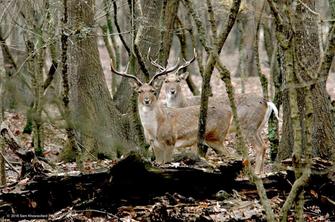
Israel has spent decades reintroducing species that disappeared from its landscape, including Persian fallow deer, Persian onagers, roe deer, and Arabian oryx. Iran played a crucial role as a source of some of these animals, including through a covert 1979 operation in which Israeli agents transported deer from Dasht-e Naz during the Iranian Revolution. Several programs have produced substantial populations, although onagers have caused agricultural damage and some reintroductions have had mixed results. Israel is also expanding protection for species such as Nubian ibex and the Negev vulture, while Iran’s conservation efforts are undermined by habitat loss, degraded protected areas, insufficient personnel, and inadequate planning.
Wildlife Conservation Rewilding Biodiversity Endangered Species Iran-Israel Relations Climate Change and Habitat Loss Israel Iran Middle East Israel Nature and Parks Authority Iran Department of Environment Mossad
أسلوب التغطيةإخباري

Primarily factual and historical, with some narrative framing and critical assessment of Iran’s conservation policies.
Iran’s Economic Plunge

Medium 1 يوليو 2025 English

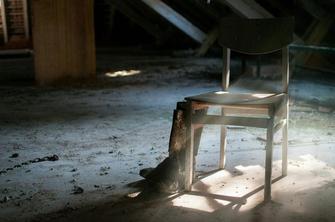
A small survey of 11 Iranian journalists, activists and civil-society figures was used to model 20 possible outcomes of the Iran-Israel conflict. The most likely scenario was an Iranian currency collapse and large-scale economic shutdown within six months, followed by infrastructure cyberattacks, intensified disinformation and possible Saudi-Israeli normalisation. A second wave of US-Israeli strikes on Iranian nuclear sites and direct US clashes with the IRGC were considered possible, while mass protests, regime change, a secular Western-aligned government and a regional non-proliferation treaty were judged less likely. The analysis concludes that Iran’s regime is likely to survive but become more isolated and militarised, while acknowledging that the findings are speculative and highly dependent on the limited, Iran-focused sample and chosen scenarios.

Iran-Israel Conflict Iranian Economy Economic Sanctions Cyberattacks and Disinformation Nuclear Proliferation Middle East Geopolitics Iran Israel Middle East Islamic Republic of Iran United States Islamic Revolutionary Guard Corps
أسلوب التغطيةتفسيري

Highly interpretive and speculative analysis based on a small survey and the author’s own modeling, with substantial caveats about methodology and expertise.

السياق السياسييمين الوسط

The analysis is critical of Iran’s Islamic regime, views Western alignment favorably as a potential alternative, and treats Israel’s strategic objectives relatively sympathetically, while retaining methodological caveats.

Is Lake Urmia Dead?

IranWire 18 مارس 2022 English

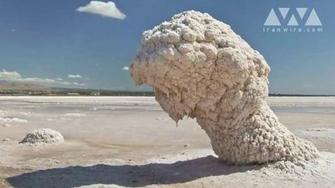
Lake Urmia, once the Middle East’s largest lake and a major habitat for birds, reptiles and mammals, has been severely depleted by a causeway, poorly designed dams and extensive water extraction. Most of the lake has dried into a salt desert, damaging ecosystems, eliminating agriculture and tourism jobs, driving migration and contributing to salt storms and respiratory disease. Experts cited in the piece see little prospect of restoring the lake to its former state.

Lake Urmia Environmental Degradation Water Management Drought Migration Public Health West Azerbaijan, Iran East Azerbaijan, Iran UNESCO Iranian authorities
أسلوب التغطيةمتوازن

Fact-based environmental reporting with strongly critical and pessimistic language about government mismanagement.

Sam Khosravifard

الصورة

صحفيون آخرون في Toronto

عرض جميع الصحفيين في Toronto
وظّف رسالة
×

سجّل لمراسلة Sam

هل لديك حساب بالفعل؟ تسجيل الدخول
هل تبحث عن عمل؟ سجّل كصحفي
وثّق بريدك الإلكتروني لإتمام التسجيل
لقد أرسلنا للتوّ رسالة إلكترونية إلى . يرجى التحقّق من صندوق الوارد والنقر على الرابط لتوثيق عنوان بريدك الإلكتروني وإتمام تسجيلك. وإذا لم تجد الرسالة، فتأكّد من التحقّق من مجلد البريد العشوائي أو غير المرغوب فيه.
لم تستلم البريد الإلكتروني؟

سجّل للاطّلاع على الملفات الشخصية

هل لديك حساب بالفعل؟ تسجيل الدخول
هل تبحث عن عمل؟ سجّل كصحفي
وثّق بريدك الإلكتروني لإتمام التسجيل
لقد أرسلنا للتوّ رسالة إلكترونية إلى . يرجى التحقّق من صندوق الوارد والنقر على الرابط لتوثيق عنوان بريدك الإلكتروني وإتمام تسجيلك. وإذا لم تجد الرسالة، فتأكّد من التحقّق من مجلد البريد العشوائي أو غير المرغوب فيه.
لم تستلم البريد الإلكتروني؟