Éditeurs et diffuseurs Équipes de marketing de contenu Équipes RP et communication Équipes risques et renseignement Journalistes et professionnels des médias Veille médias Tarifs

À propos de Sam

Sam K. est journaliste et chercheur en politiques environnementales basé à Toronto dont le travail fait le lien entre la science, les politiques publiques et le reportage d'investigation sur l'Iran et le Moyen-Orient. Ses reportages et analyses portent sur la biodiversité, la gouvernance de l'eau, la politique scientifique et les impacts sociétaux du changement environnemental, y compris leurs répercussions sur le bien-être humain et les droits humains. Il est titulaire d'un PhD in Natural Resource Management, specialising in Spatial Ecology, de l'University of Twente aux Pays-Bas. Son bagage scientifique étaye ses reportages et analyses sur la gouvernance et les politiques environnementales. Il a travaillé avec des organisations médiatiques internationales et indépendantes de premier plan, notamment la BBC, Radio Free Europe/Radio Liberty (Radio Farda), IranWire et Iran International. Il intervient également régulièrement en tant qu'analyste sur les affaires courantes, les politiques environnementales et les évolutions en Iran et au Moyen-Orient. Au-delà du journalisme, Sam K. a réalisé trois documentaires et est un photographe passionné de la faune et de la nature, ce qui témoigne de son engagement de longue date en faveur de la conservation et du récit environnemental.

Langues
anglais persan
Vu dans
Medium Iranwire

Travaux 4

Resurrecting Biblical Beasts

Medium 27 juil. 2025 English

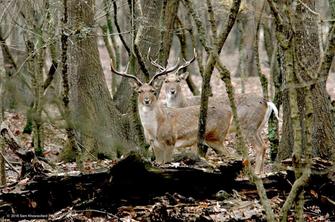
Israel has spent decades reintroducing species that disappeared from its landscape, including Persian fallow deer, Persian onagers, roe deer, and Arabian oryx. Iran played a crucial role as a source of some of these animals, including through a covert 1979 operation in which Israeli agents transported deer from Dasht-e Naz during the Iranian Revolution. Several programs have produced substantial populations, although onagers have caused agricultural damage and some reintroductions have had mixed results. Israel is also expanding protection for species such as Nubian ibex and the Negev vulture, while Iran’s conservation efforts are undermined by habitat loss, degraded protected areas, insufficient personnel, and inadequate planning.
Wildlife Conservation Rewilding Biodiversity Endangered Species Iran-Israel Relations Climate Change and Habitat Loss Israel Iran Middle East Israel Nature and Parks Authority Iran Department of Environment Mossad
Style rédactionnelInformatif

Primarily factual and historical, with some narrative framing and critical assessment of Iran’s conservation policies.
Iran’s Economic Plunge

Medium 1 juil. 2025 English

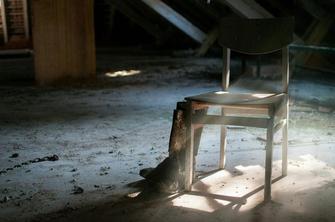
A small survey of 11 Iranian journalists, activists and civil-society figures was used to model 20 possible outcomes of the Iran-Israel conflict. The most likely scenario was an Iranian currency collapse and large-scale economic shutdown within six months, followed by infrastructure cyberattacks, intensified disinformation and possible Saudi-Israeli normalisation. A second wave of US-Israeli strikes on Iranian nuclear sites and direct US clashes with the IRGC were considered possible, while mass protests, regime change, a secular Western-aligned government and a regional non-proliferation treaty were judged less likely. The analysis concludes that Iran’s regime is likely to survive but become more isolated and militarised, while acknowledging that the findings are speculative and highly dependent on the limited, Iran-focused sample and chosen scenarios.

Iran-Israel Conflict Iranian Economy Economic Sanctions Cyberattacks and Disinformation Nuclear Proliferation Middle East Geopolitics Iran Israel Middle East Islamic Republic of Iran United States Islamic Revolutionary Guard Corps
Style rédactionnelInterprétatif

Highly interpretive and speculative analysis based on a small survey and the author’s own modeling, with substantial caveats about methodology and expertise.

Contexte politiqueCentre droit

The analysis is critical of Iran’s Islamic regime, views Western alignment favorably as a potential alternative, and treats Israel’s strategic objectives relatively sympathetically, while retaining methodological caveats.

Is Lake Urmia Dead?

IranWire 18 mars 2022 English

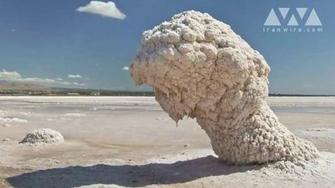
Lake Urmia, once the Middle East’s largest lake and a major habitat for birds, reptiles and mammals, has been severely depleted by a causeway, poorly designed dams and extensive water extraction. Most of the lake has dried into a salt desert, damaging ecosystems, eliminating agriculture and tourism jobs, driving migration and contributing to salt storms and respiratory disease. Experts cited in the piece see little prospect of restoring the lake to its former state.

Lake Urmia Environmental Degradation Water Management Drought Migration Public Health West Azerbaijan, Iran East Azerbaijan, Iran UNESCO Iranian authorities
Style rédactionnelÉquilibré

Fact-based environmental reporting with strongly critical and pessimistic language about government mismanagement.

Sam Khosravifard

Photo

Autres journalistes à Toronto

Voir tous les journalistes à Toronto
Recruter Message
×

Inscrivez-vous pour envoyer un message à Sam

Vous avez déjà un compte ? Se connecter
Vous cherchez du travail ? S'inscrire en tant que journaliste
Vérifiez votre e-mail pour finaliser l'inscription
Nous venons d'envoyer un e-mail à . Veuillez consulter votre boîte de réception et cliquer sur le lien pour vérifier votre adresse e-mail et finaliser votre inscription. Si vous ne voyez pas l'e-mail, pensez à vérifier votre dossier spam ou courrier indésirable.
Vous n'avez pas reçu l'e-mail ?

Inscrivez-vous pour débloquer les profils

Vous avez déjà un compte ? Se connecter
Vous cherchez du travail ? S'inscrire en tant que journaliste
Vérifiez votre e-mail pour finaliser l'inscription
Nous venons d'envoyer un e-mail à . Veuillez consulter votre boîte de réception et cliquer sur le lien pour vérifier votre adresse e-mail et finaliser votre inscription. Si vous ne voyez pas l'e-mail, pensez à vérifier votre dossier spam ou courrier indésirable.
Vous n'avez pas reçu l'e-mail ?